A locally-written guide — where to stay, what to eat, and what not to miss.
The Auckland guide
An insider’s read on Auckland
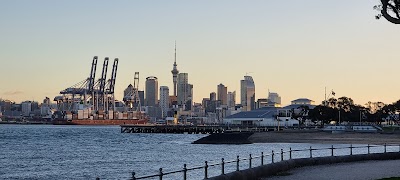
Auckland sits on a narrow volcanic isthmus, pinched between the Tasman Sea and the Pacific Ocean.
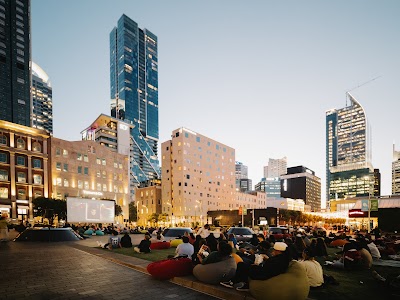
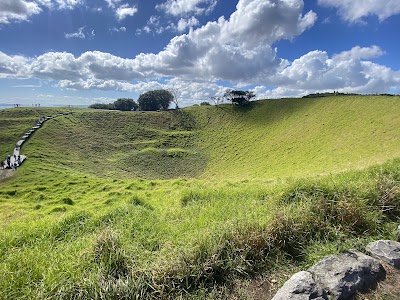
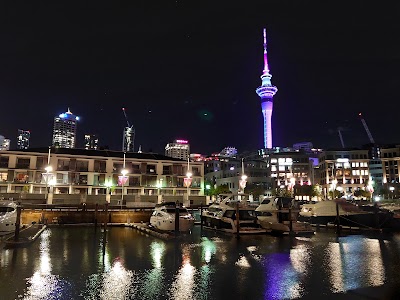
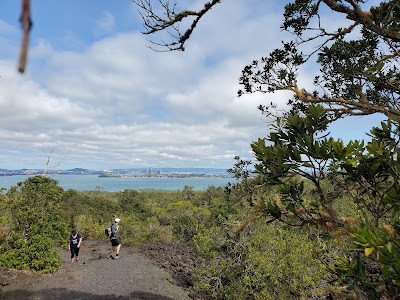
Auckland sits on a narrow volcanic isthmus, pinched between the Tasman Sea and the Pacific Ocean. It is a maritime city defined by its relationship with water, where superyachts and commuter ferries share the same harbors. The urban landscape is punctuated by dozens of dormant volcanic cones, giving the city a rolling, green topography that contrasts with its glassy downtown core.
This is a place where Pacific heritage, modern cosmopolitanism, and rugged natural landscapes collide. While the city center serves as a commercial engine, the true character of the city lies in its distinct neighborhoods, coastal regional parks, and the islands of the Hauraki Gulf that sit just offshore.
Guides & ideas
The Auckland reading list
Hand-written guides from our editors — itineraries, the best of after dark, where to eat, and what’s genuinely worth your time.
These are affiliate links. We may earn a commission when you book — at no extra cost to you. Tours are sold and operated by our partner, who is the merchant of record.
What it costs
Budgeting
While New Zealand is generally an expensive destination, smart planning with public transit and casual dining can keep costs manageable.
Travel style
Per day
Backpacker
€60-90 (hostel dorm, public transit, self-catering or budget Asian dining)
Mid-range
€180-280 (boutique hotel, dining at mid-range bistros, occasional ferry trips)
Luxury
€450+ (five-star waterfront hotel, fine dining degustations, private tours)
Timing
When to visit
The best time to visit is during the warm, settled summer months, though autumn offers excellent wine-harvest conditions and fewer crowds.
Summer (December to February)Warm, humid, and ideal for beach trips and island ferries. This is peak tourist season, so expect higher accommodation rates and busy coastal trails.
Autumn (March to May)Settled weather with cooler evenings. Excellent for visiting the vineyards on Waiheke Island during the grape harvest, with fewer crowds in the city center.
Winter (June to August)Cool, wet, and windy. While outdoor activities are limited, this is the best time for indoor cultural events, theater, and dining by open fires.
Spring (September to November)Highly unpredictable weather with frequent rain showers. However, the regional parks are exceptionally green, and the city's gardens are in full bloom.
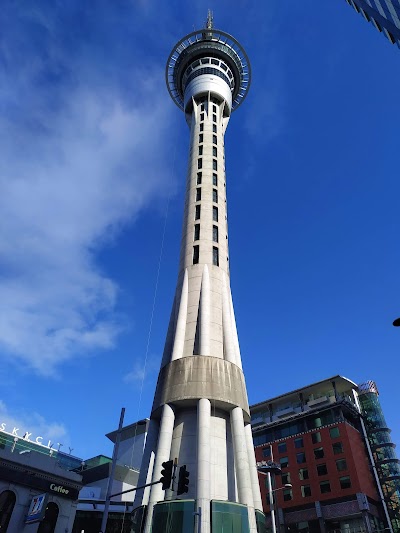
The SkyDrive bus service runs regularly between Auckland Airport and the SkyCity transit hub in the CBD. Alternatively, rideshares and taxis are readily available outside both terminals, taking approximately thirty to forty minutes depending on traffic.
Public transit
The public transit network consists of trains, buses, and ferries, all managed by Auckland Transport. Ferries are the most scenic and efficient way to reach coastal suburbs like Devonport and the islands of the Hauraki Gulf.
Passes & tickets
The AT Hop card is a reusable smart card that provides discounted fares across all buses, trains, and ferries. It costs a small one-off fee (around €5) and can be topped up online or at station ticket machines.
On foot
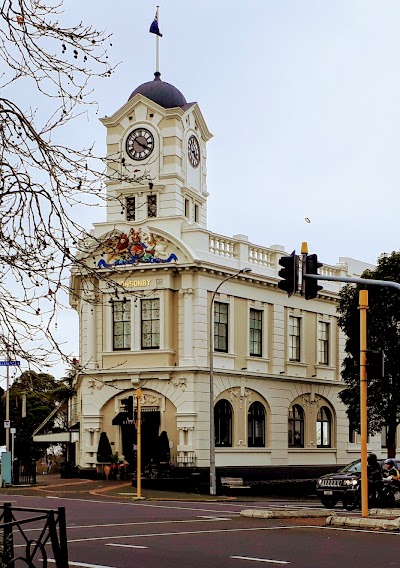
The central business district is highly walkable but exceptionally steep in places. Exploring outer neighborhoods like Ponsonby or Parnell requires navigating hilly terrain, while reaching the wider suburbs necessitates public transit or a vehicle.
1
Always tag on and tag off with your AT Hop card at the start and end of every journey to avoid penalty fares.
2
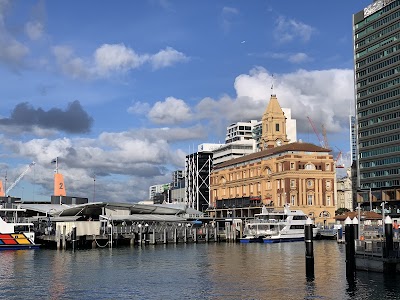
Ferries to Waiheke Island depart from the historic Ferry Building; book weekend sailings in advance during summer.
3
Avoid driving in the central city during the morning and evening rush hours, as traffic congestion is severe.
Travel smart
Safety & etiquette
Auckland is generally safe, but standard urban precautions apply. Exercise caution around lower Queen Street and Karangahape Road late at night. Car break-ins are common at remote trailheads and beach parking lots; never leave valuables inside a parked vehicle.
Local etiquette
Respect Māori cultural sites; do not step into or climb on sacred volcanic craters (which are considered tapu, or sacred).
Do not tip at restaurants, bars, or in taxis; it is not expected and can sometimes cause confusion.
Always apply high-SPF sunscreen, even on cloudy days, as the UV index in New Zealand is exceptionally high.
From the ground
Practical tips
1
Buy an AT Hop card immediately at the airport or train station to save up to 50% on public transit fares.
2
Check the Safeswim website before heading to local beaches, as heavy rain can occasionally affect water quality.
3
Pack layers and a windproof jacket; the maritime climate means weather can shift rapidly within a single afternoon.
4
Make restaurant reservations weeks in advance for high-end spots in Britomart and Ponsonby, especially for weekend dining.
5
Download the Auckland Transport (AT) Mobile app to track real-time bus and train schedules, which can be irregular.
6
If renting a car, remember that New Zealanders drive on the left side of the road and roundabouts are highly common.
Book direct
Book a hotel in Auckland
Loading live availability and real-time prices…
Good to know
Auckland FAQs
Do I need to tip in Auckland?
No, tipping is not part of New Zealand culture and is not expected at any dining or drinking establishment.
How do I get to Waiheke Island?
Take the regular passenger ferry from the Downtown Ferry Terminal, which takes approximately forty minutes.
Is the tap water safe to drink?
Yes, tap water throughout the city is highly treated and completely safe to drink.
What is a flat white?
It is a popular local espresso-based coffee style served with velvety microfoam, stronger and less frothy than a latte.
Can I swim in the harbor?
You should swim at designated beaches like Mission Bay or Cheltenham; avoid swimming in the commercial harbor areas.