Bologna guide
Via del Pratello, Bologna: the city’s loudest, cheapest, most defiant street
Six hundred metres of porticoes, pubs and politics west of Piazza San Francesco, Via del Pratello is where Bologna drinks late, eats cheaply and keeps its counter-culture history in plain sight.
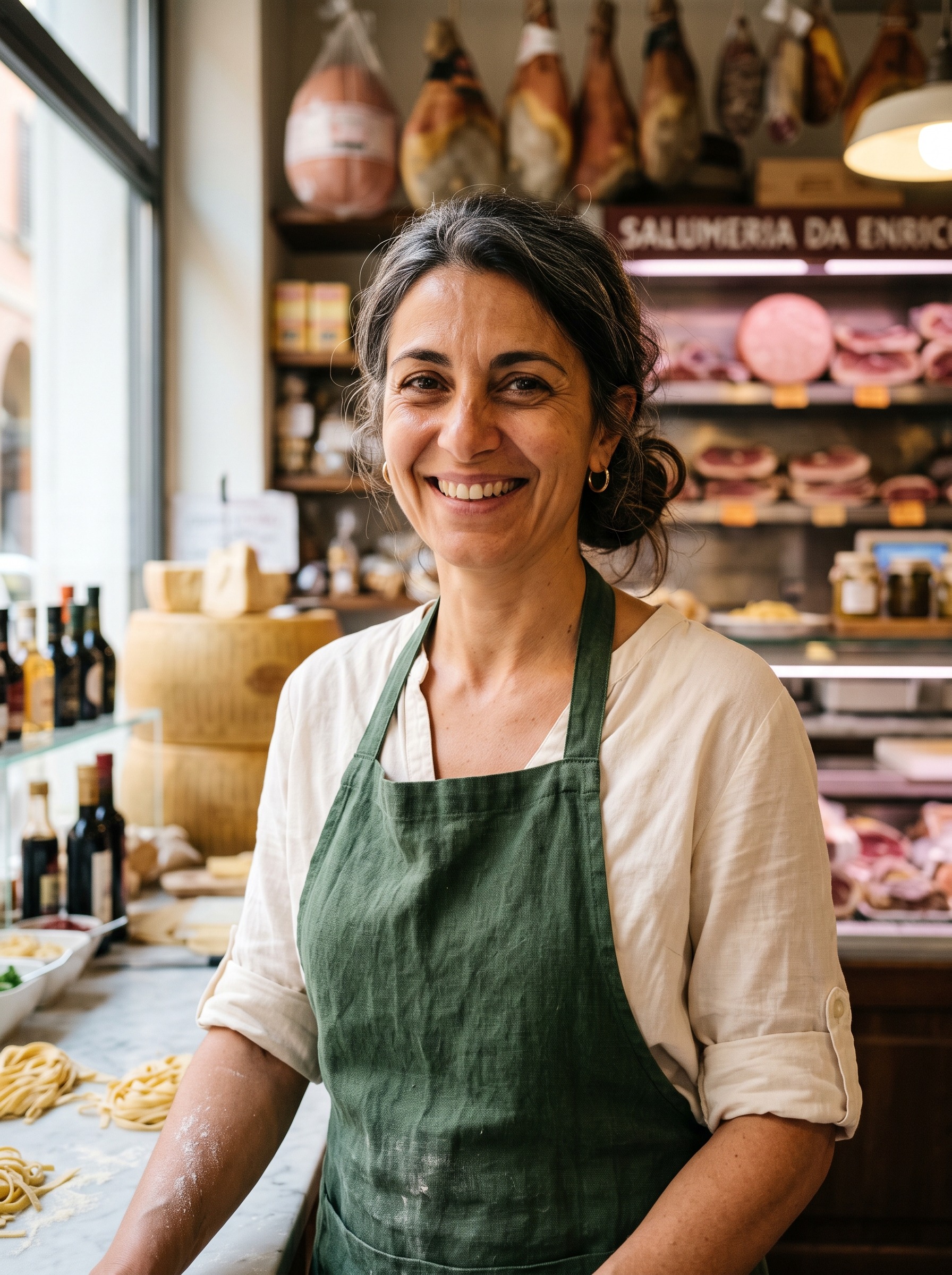

Via del Pratello begins as a whisper under the arcades and ends, most nights, as a chorus. From Piazza San Francesco westward, the six-hundred-metre street narrows into its own logic: students with pint glasses, workers over tagliatelle, anarchist murals, cheap wine, draught beer, and the kind of noise that tells you the city is still awake. The pear trees that once gave Peradello its medieval name are long gone. What remains is a strip of Bologna that has never quite bothered to polish itself for visitors, and all the better for it.
What Via del Pratello is known for
Via del Pratello is Bologna’s counter-culture spine, and it wears that identity openly. Historically this was the city’s poorest quarter, home to washerwomen and people living on the edge of the law; by the 1960s and 70s it had become a centre of student and antifascist movements, and the street still carries that memory like a second skin. It is not a place that performs rebellion for effect. It simply kept it.
Look up as you walk and the politics are written on the walls. The Arti Povere Pratello project has turned the street into a rolling open-air gallery of murals, among them a stark black-and-white work by Mp5 showing figures with red gags, made in the name of Resistenza. Halfway along, a memorial plaque to the Resistance sits in the wall with unsentimental dignity. These are not decorative gestures. They are reminders that this stretch of Bologna has long preferred argument to prettiness.

Every 25 April, the street turns into Pratello R'esiste, and the whole road shuts to traffic for an all-day festival of live music, association stands, communal cooking, pastasciutta and a children’s Resistant Choir. Between Piazza San Francesco and Piazzetta San Rocco, the street becomes a civic room under the sky. The rest of the year, the mood is less ceremonial but just as telling: a democratic drinking street where a beer or a glass of Sangiovese costs a few euros and nobody is dressing up for the occasion. This is where the University of Bologna’s 90,000 students actually go when they want to drink like locals, not like a brochure.
Where to eat & drink
Eat early if you want the street at its most civilised. By lunch, the arcades soften the light and the tables fill with families, workers and people who know exactly how long a proper ragù needs before it is worth talking about. Trattoria Fantoni at No. 11/A is the old-school answer to that hour: red-and-white checked cloths, walls crowded with prints, and tagliatelle al ragù made with proper hand-rolled pasta. The regulars are right to defend it. There is a difference between a plate that has been cooked and one that has merely been assembled, and Fantoni knows it.
A little further down, Osteria del Montesino at No. 74/B keeps the traditional register warm and dark-wooded, with good crostini and honest wines, and a kitchen that runs late. That matters on a street like this, where dinner often begins after aperitivo has already become a small social event. If you prefer your osteria with a conscience, Il Rovescio at No. 71/A is the sort of place that forces even sceptics to admit that km-zero can be more than a slogan: the menu is rewritten every month around whatever local small producers are growing, with a strong vegetarian and vegan lean and natural wines. Next door, Il Rovescio Pizza Bio turns out sourdough pizza on ancient-grain flours, which is the sort of detail that sounds like marketing until the crust arrives and crackles properly under the knife.

For grazing rather than settling in, La Prosciutteria at No. 63/A is the aperitivo-to-dinner bridge the Pratello does so well: an abundant board of cured meats and cheeses with wine by the glass, easy to turn into a full meal if you are in no hurry. Indegno – La Crescentina 2.0 at No. 84/A modernises Bologna’s fried crescentina with creative fillings, and Pasta Fresca Naldi at No. 69 keeps the old practical magic alive with tortelloni and tagliatelle to take away. That is the street in miniature: one table for sitting, one counter for grabbing, one shop for taking the city home in a paper tray.
At the far end, Quanto Basta at No. 103/A shifts the tone slightly toward a Roman-leaning seasonal bistro with a curated wine and cocktail list, while La Piazzetta at No. 107/A, overlooking Piazzetta San Rocco, is the calmest fish-focused option on a road that otherwise prefers noise to restraint. If you need one peaceful dinner before the night begins, make it there.

Going out
The Pratello starts warming up around six and does not let go until three or four in the morning. What it pours, mostly, is beer. Fancy cocktails have their place elsewhere in Bologna; here, the default currency is a glass in hand and a counter you can lean on.
Mutenye at No. 44/A is the institution. It is the street’s default aperitivo pub, the place Bolognesi treat as a habit rather than a decision, and it stays open until 3am every night. The local shorthand is Augustiner, and the whole point is that nobody is trying to make a ceremony of it. You go in, you get a draught beer, you end up staying longer than planned. That is the Pratello’s true rhythm.
A few doors along, Barazzo at No. 66/B is one of the oldest bars on the strip, with pavement tables that become prized real estate from spring through autumn. In warm weather, those tables are where the street begins to blur into itself: drinkers on the edge of the curb, passers-by slowing down, one conversation folding into the next. It is not elegant. It is better than elegant.

For craft beer proper, Zapap Pratello at No. 31 is the brewpub to know. It pours around ten of its own beers on tap, including the Zapap Pils, and serves homemade pizza with football on the TV and occasional DJ sets. No reservations are taken, which feels exactly right for a place that belongs to the street rather than to a booking system. If you want a deeper bottle list and a handful of rotating taps, Birroteca Bukowski at No. 81/A is the connoisseur’s stop, small and unpretentious, with no interest in pretending beer needs to be precious in order to be serious.
Then there is Macondo at No. 22/C, where the music lives. Up front, an aperitivo buffet does its work; in the snug back room, most nights bring live rock, jazz or bossa nova from around 9:45pm. On warm weekends, the distinction between inside and outside all but disappears. People lean on doorways, drink in the street, and let the music drift out with them because there simply is not room to contain the evening any other way.

Things to do / what to see
The most rewarding thing to do on Via del Pratello is not to do very much at all. Start at Piazza San Francesco, where the great Gothic Basilica di San Francesco anchors the square with its distinctive flying buttresses and marble ark tombs of medieval jurists out back. The church gives the eastern end a sense of weight before the street loosens into bars and murals. From there, walk west slowly, because the street is best read at walking pace. Its length is short enough to cross in minutes and rich enough to take an hour if you keep stopping.
The Arti Povere Pratello murals run the length of the street and change often enough that regulars still find new pieces. That is part of the pleasure: the street is not a fixed monument but a living wall. Pause at the Resistance memorial plaque partway along, then keep going. If your timing lands on 25 April, you have hit the one day when the street’s politics, food and noise merge into a single civic gesture. Pratello R'esiste is the best version of the Pratello because it is the most honest one: no traffic, no performance of control, just bands, communal pasta and stalls from morning to late afternoon.
{{ATTRACTIONS}}
The rest of the year, the street’s pleasures are unstructured by design. Read the murals. Stop for a crescentina between drinks. Catch a small live gig. Watch the evening thicken. The Pratello does not offer a checklist, and that is precisely why it works. It is a place where Bologna’s political memory and everyday appetite share the same pavement.
Shopping
Shopping on Via del Pratello is not about labels or polished windows. It is about edible things, taken home or eaten on the spot. Pasta Fresca Naldi at No. 69 is the clearest example: a fresh-pasta shop where tortelloni and tagliatelle are made for carrying away, not for display. In Bologna, that is not a small distinction. Pasta here is a daily language, and Naldi speaks it without fuss.
If you want something to eat immediately rather than later, Indegno – La Crescentina 2.0 at No. 84/A gives you a modern take on Bologna’s fried crescentina with creative fillings, while La Prosciutteria at No. 63/A doubles as a kind of edible shopping stop, its boards of cured meats and cheeses tempting you to convert aperitivo into dinner. The street’s economy is plain and useful: you buy what you will eat, and often you eat it standing up.
Where to stay in Via del Pratello
Staying on or just off the Pratello puts you in the middle of the action for very little money. This is one of central Bologna’s more affordable pockets, and the walk to Piazza Maggiore is easy enough that you can be in the historic core without ever feeling removed from the city’s working pulse. The obvious trade-off is noise. The bars run until roughly 3am, and from Thursday to Saturday the street can be genuinely loud.
If nightlife is the point of your trip, that is part of the charm. If you want the location without the racket, look to the quieter parallel and side streets around Piazza San Francesco at the eastern end, or over toward the Saragozza gate at the west. Budget guesthouses, B&Bs and small apartments dominate here rather than grand hotels, and the sensible request is always the same: ask for a room facing a courtyard or internal side rather than the main road.
{{HOTELS}}
Getting around
Via del Pratello sits inside Bologna’s compact historic centre and is best reached on foot. From Piazza Maggiore it is a walk of roughly 10 to 12 minutes: head west via Via Ugo Bassi and Piazza Malpighi to Piazza San Francesco, which opens straight onto the eastern end of the street. Bologna has no metro, which is one of the city’s more useful pieces of urban honesty. The nearest bus stop is Piazza San Francesco / San Francesco, about a two-minute walk from the street, served by several city lines.
From Bologna Centrale railway station, it is about a 20-minute walk or a short bus ride southwest. Once you are on the Pratello itself, you do not need transport again; the street is pedestrian-friendly and almost entirely walkable end to end in under ten minutes. If you are arriving via Bologna Guglielmo Marconi Airport, the Marconi Express monorail links the airport to Bologna Centrale in about seven minutes, and from there you continue into the centre — budget roughly 30 to 40 minutes door to door depending on connections.
Via del Pratello is not for everyone, and it would be a poorer street if it tried to be. It is loud, a bit grubby, occasionally chaotic, and utterly unembarrassed about what it is: a place where Bologna drinks cheaply, eats properly and keeps its dissent visible. If you want polished old-town quiet, go elsewhere. If you want the city at full volume, with ragù on the table and politics on the walls, stay here until the last glass is cleared.
FAQs
Is Via del Pratello a good area to stay in Bologna?
Yes, if you want budget-friendly digs within a short walk of Piazza Maggiore and you like being in the thick of the nightlife. It is central, cheap and full of character. The catch is noise — the bars run until roughly 3am, loudest Thursday to Saturday — so light sleepers should book a courtyard-facing room or choose a quieter side street nearby.
Is Via del Pratello safe at night?
It is one of Bologna’s most popular nightlife streets and not dangerous, but it gets rowdy and very crowded as the night goes on. After midnight, the mix of alcohol and a narrow, packed street calls for a bit more awareness than a daytime tourist area. Standard big-city sense is enough.
What is Via del Pratello best known for?
Its nightlife and its politics. It is Bologna’s most democratic drinking street — an unbroken run of pubs, osterie and brewpubs where beer and Sangiovese stay cheap — and it is the historic heart of the city’s antifascist, student counter-culture, complete with murals and the annual Pratello R'esiste street festival every 25 April.
What should I eat on Via del Pratello?
Start with hand-rolled tagliatelle al ragù at Trattoria Fantoni, then work your way through crescentina at Indegno, cured meats and cheeses at La Prosciutteria, or fresh pasta to take away from Pasta Fresca Naldi. If you want a quieter dinner, Il Rovescio, Osteria del Montesino and La Piazzetta all have their own strong arguments.