Chicago guide
Pilsen, Chicago: murals, mezcal and the city’s Mexican-American heart
On Chicago’s Lower West Side, Pilsen turns 18th Street into an open-air gallery and an all-day feast, where murals, museums, carnitas and live music tell the neighbourhood’s story block by block.
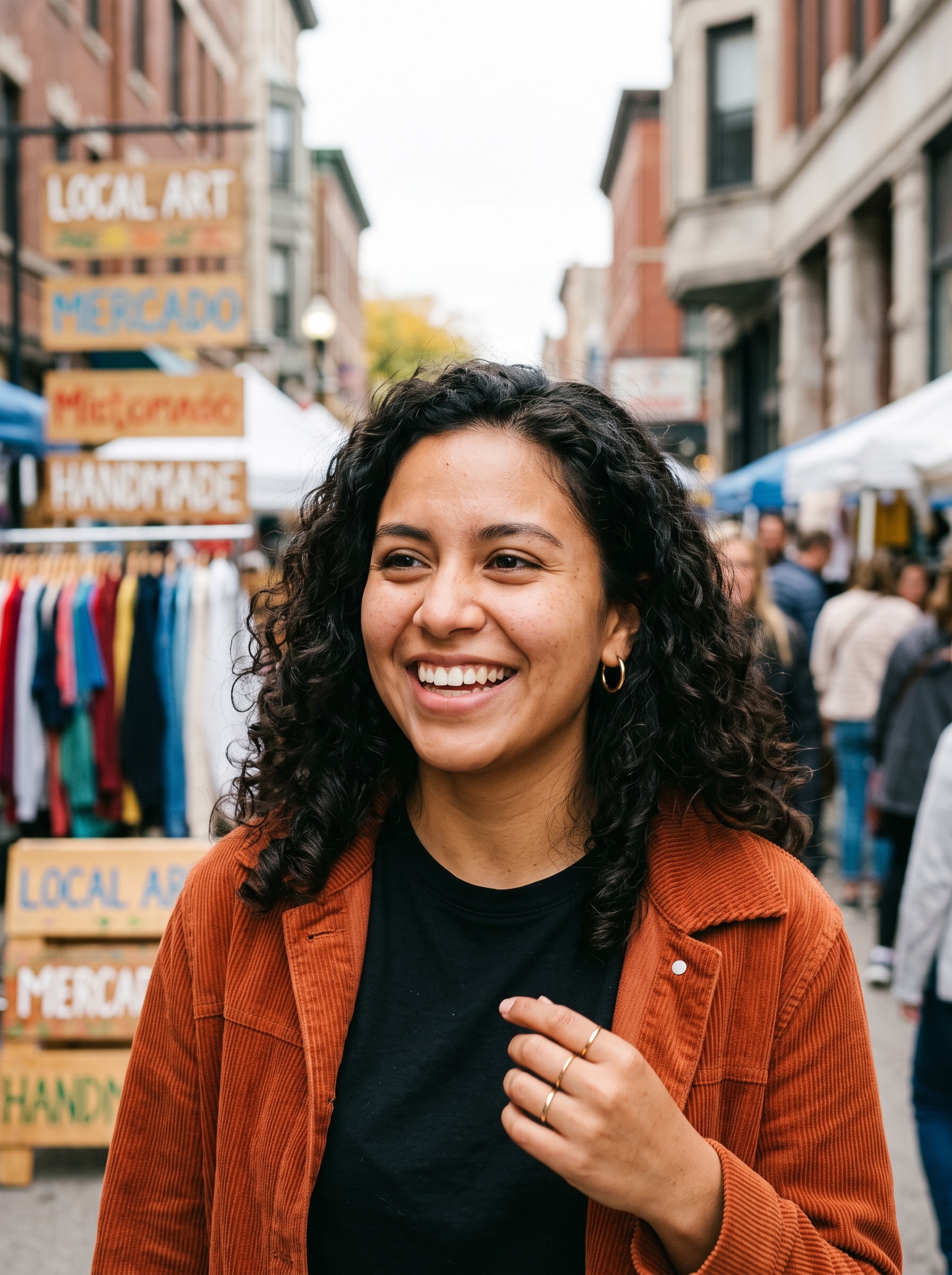

Pilsen wakes up in layers: the clatter of trays in a panaderia, a taquero’s plancha heating for the lunch rush, and the Pink Line sliding in with people who know exactly where they’re headed. On 18th Street, the walls do not wait politely for you to notice them. They announce themselves in colour — Aztec sun stones, Virgen de Guadalupe portraits, immigrant-rights slogans — and they keep talking all the way west toward Harrison Park.
What Pilsen is known for
Pilsen’s reputation rests on two things that are never really separate here: murals and Mexican food. The neighbourhood is an open-air gallery, with hundreds of murals spread across 18th Street storefronts, alley walls and the railroad embankment along 16th Street. The paint runs in a long, public argument about memory and belonging, beginning as protest art in the late 1960s and still being refreshed by newer generations of artists. Hector Duarte, Marcos Raya and Ray Patlan are part of that lineage, but so are the students and local hands who keep the walls alive. Even the CTA stop joins the conversation: the 18th Street Pink Line station is itself wrapped in mosaics and murals led by Francisco Mendoza and his students in the 1990s.

The neighbourhood’s cultural anchor is the National Museum of Mexican Art at 1852 W 19th Street in Harrison Park. It is free, open Tuesday to Sunday, and it feels less like a civic obligation than a gift the neighbourhood keeps giving back to itself. The museum is one of the largest Latino cultural institutions in the country, and its Day of the Dead exhibition each autumn draws people who come for the art and stay for the atmosphere around it. Step outside and you are back in the grain of the streets: century-old two-flats, family businesses, and a working-class texture that has survived waves of arrival, from Czech and Bohemian settlers — the name Pilsen comes from Plzeň — to the Mexican families who began settling here in the 1960s and made the neighbourhood’s identity unmistakable.
That identity is loud, proud and political. You hear it in the banda spilling from a car stereo and in the way the murals often carry a message as much as an image. You see it in the monthly Second Fridays gallery walk in the Chicago Arts District around Halsted, and in the neighbourhood’s Día de los Muertos celebrations, where altars and parades turn remembrance into public life. Pilsen is scrappy, creative and openly protective of itself. Gentrification is part of the conversation now, and it shows in the tension between old and new openings. But the thing that lands hardest is simpler: this is a place that belongs to the people who live here, and they are generous enough to feed you.
Where to eat & drink
If you want to understand Pilsen in one sitting, start early and eat your way east to west. The essential first stop is Carnitas Uruapan at 1725 W 18th St, where the Carbajal family has been slow-cooking pork the Michoacán way since 1975. Order by the pound, ask for fresh tortillas, salsa verde and chicharrón, and get there before the best cuts disappear. This is the kind of place that teaches you to arrive hungry and a little early, because the neighbourhood’s most beloved food has no interest in waiting around for you.

A block or two east, the taco run begins to feel like a small civic ritual. Rubi’s on 18th, at 1316, is a Maxwell Street Market legend that became a storefront, and the charcoal-grilled asada and al pastor tacos carry that history with them. Quesabirria Jalisco at 1314 does exactly what the name promises: cheese-crisped quesabirria served with a cup of chili consommé for dipping. Birrieria Reyes de Ocotlan at 1322 is the old guard, where goat tacos, lengua and a rich consommé still feel like the right answer to a long day. And at Don Pedro Carnitas, 1113, enormous chicharrones and carnitas by the pound make weekend mornings feel like a family obligation in the best possible sense.
For a sit-down meal, 5 Rabanitos at 1758 is a favourite for a reason: it turns out mole and tamales from the mind of a former Topolobampo cook, with value-priced tacos folded into the mix. If you want seafood, Mariscos San Pedro at 1227 W 18th, in the old Dusek’s space at Thalia Hall, has become a destination in its own right. Chef Marcos Ascencio was a 2025 James Beard Award semifinalist, and the squid-ink and crudo plates make it obvious why people keep making the trip. The room feels like Pilsen stretching into something a little more polished without losing its appetite.
There is no shortage of places to sweeten the day. Panadería Nuevo Leon at 1634 is where you go for conchas, empanadas and pan dulce by the tray, and Yvolina’s Tamales at 814 W 18th keeps banana-leaf tamales wrapped with red and green mole on the eastern end of the street. Cafe Jumping Bean at 1439 has been a bright, muralled neighbourhood institution since 1994, the kind of coffeehouse where the room feels owned by the community rather than the other way around. Anticonquista Café at 952 brings a family-farm Guatemalan “cultivo-to-cup” sensibility, and its 2025 café is marked by a striking quetzal mural. La Malinche Coffee & Tea House at 2110 S Halsted pours café de olla, chilaquiles and artisanal teas, while Kristoffer’s Café & Bakery at 1733 S Halsted is the place for tres-leches cake, coffee and Mexican-inflected pastries.

Going out
Pilsen’s nights are not about velvet ropes or all-night clubbing. They are about live music, mezcal, a good patio and a room with some personality. The headliner is Thalia Hall at 1807 S Allport St, a landmarked 1892 hall that began life as a Czech community house and now ranks among the city’s best mid-sized live-music venues. Indie bands, DJs and comedy cycle through several nights a week, and the building itself feels like part of the bill. You can spend the evening without ever leaving the block, which is a very Pilsen kind of luxury.
In the same building, Punch House gives you a wood-panelled basement cocktail bar built around shared punch bowls and a deliciously retro charm, while the Tack Room adds a cocktail and piano bar with its own live-music nights. This is the sort of setup that makes a night in Pilsen feel easy rather than engineered: dinner nearby, drinks downstairs, a show upstairs, and no need to overplan the rest.
For agave, Cerdito Muerto at 1700 S Halsted is the newer name to know — a 30-seat cocktail bar and kitchen a Pilsen native built inside his family’s former pool hall. The shelves hold a hundred-odd mezcals and tequilas, and the walls are lined with vintage Mexican movie posters and family photos, which gives the place a very specific, very lived-in gravity. La Vaca Margarita Bar does exactly what it says on the tin, with strong margaritas and a lively patio, while Simone’s Bar remains the long-running local for reclaimed-material décor, DJs, live music across genres and one of the neighbourhood’s best warm-weather patios.

Things to do
Give Pilsen a slow half-day and let it unfold on foot. Begin at the National Museum of Mexican Art, 1852 W 19th Street in Harrison Park, where admission is free and the permanent collection plus rotating exhibitions make the visit feel substantial rather than optional. The Day of the Dead show each autumn is the one that gets talked about most, but the larger pleasure is how the museum frames the neighbourhood around it: not as backdrop, but as living context. Stand outside for a moment and you can feel how the museum and the street feed one another.

From there, the real work is walking with your eyes up. The 16th Street murals along the railroad embankment are the densest run of large-scale street art in Pilsen, but the neighbourhood does not keep the paint in one place. It spreads along 18th Street, slips into alleys, climbs side streets and keeps the whole district visually awake. Guided walking tours leave from outside the museum if you want the stories behind the images, but even without a guide, the neighbourhood reads clearly: heritage, protest, devotion, pride.
Do not skip the 18th Street Pink Line station, which is a mural-and-mosaic artwork in its own right. It is one of those transit stops that makes you slow down before you have even decided to. If you have time for more browsing, the Chicago Arts District in East Pilsen opens its galleries and studios for Second Fridays each month, and that late-evening wandering gives the neighbourhood a different tempo — less lunch rush, more conversation, more studio light.
Harrison Park anchors the western end of the story with green space, a pool and the big public gatherings that give Pilsen its seasonal rhythm, from Día de los Muertos to summer street fairs. But even here, the best activity is not a formal one. It is eating. It is the taco-and-panadería crawl, the mezcal flight, the bakery box of pan dulce you carry home in one hand while the other is still dusted with sugar.
{{ATTRACTIONS}}
Shopping & markets
Pilsen’s shopping is as independent as its dining. No mall logic, no chain-store sameness — just the small businesses that line 18th Street between the taquerias. You will pass quinceañera and formalwear boutiques, botanicas with candles and herbs, record stores, thrift shops and art-and-craft spaces selling work by local makers. The Chicago Arts District adds galleries and studios in East Pilsen, and the whole scene feels made for browsing rather than buying with a plan.
The panaderias are the easiest souvenir strategy. A pink bakery box from Panadería Nuevo Leon travels well, and it also says something about where you spent the day without trying too hard. If you want fresh produce and Mexican pantry staples, the neighbourhood grocers and tortillerias are the practical move. And if you happen to be here on a Sunday, the historic Maxwell Street Market — the open-air market that helped seed several of Pilsen’s taquerias — is a short hop east near Roosevelt Road. Shopping in Pilsen is less a spree than a drift: come with an empty tote and let the street decide what you take home.
Where to stay in Pilsen
The honest answer is that Pilsen is much better for visiting than sleeping. It is a residential, working-class neighbourhood with very few traditional hotels, so most travellers base downtown and come here for the day. If you want to stay inside the neighbourhood, look for short-term apartment rentals and guesthouses clustered along and just off 18th Street and around Halsted. That kind of stay makes sense if your ideal morning begins with panaderia coffee and ends with a museum walk, and the price range tends to be affordable to mid-range rather than extravagant.
If you want hotel amenities, a front desk and easy access to the rest of the city, the West Loop or the Loop are the smarter bases. Both are only a handful of Pink Line stops — or a 10–15 minute rideshare — from Pilsen, which means you can have your downtown comfort and still spend the day eating your way through the neighbourhood. Choose a Pilsen rental if being part of the local rhythm matters most; choose downtown if you want the lakefront and a hotel bar. Either way, Pilsen works beautifully as a day-trip that leaves you thinking about dinner before you have finished lunch.
{{HOTELS}}
Getting around
The CTA Pink Line is the easiest way in and the easiest way out. The 18th Street station drops you right into the middle of the action, and Damen is the stop to use if you are heading first for the 16th Street murals. From the Loop, the ride is only about 10–15 minutes, which is why Pilsen works so well as a half-day detour from a downtown base. Once you arrive, walk. The best stretch of 18th Street — the part with the taquerias, bakeries and murals that make the neighbourhood hum — runs roughly from Halsted to Damen, and it is flat, compact and made for strolling.
Pilsen is also bike-friendly, with Divvy docks and painted lanes on streets like Blue Island Avenue. Several CTA and Metra bus and rail options thread the Lower West Side too, and rideshares to downtown, the West Loop or Little Village are cheap and quick. Driving is possible, but street parking tightens up around 18th Street on weekends and event nights, which is exactly when you will want to be here most. For the airports, O’Hare is roughly 30–40 minutes by car, while Midway is closer at about 20–25 minutes by car. In other words: take the train in, and use your feet once you arrive.
FAQs
Is Pilsen a good area to stay in Chicago?
Pilsen is wonderful to visit, but it is a limited place to stay because it is a residential neighbourhood with very few hotels. If you want to sleep in the area, look for short-term apartment rentals or guesthouses near 18th Street. For a more traditional hotel setup, the West Loop or the Loop are easier bases and still a quick Pink Line ride away.
What is Pilsen known for?
Pilsen is known for two things above all else: murals and Mexican food. The 18th Street corridor and the 16th Street railroad embankment form a huge open-air gallery, anchored by the free National Museum of Mexican Art in Harrison Park. Add carnitas, birria, panaderias, mezcal bars and Thalia Hall, and you have the neighbourhood in a nutshell.
How do I get to Pilsen and is it walkable?
Take the CTA Pink Line to 18th Street, which drops you right into the neighbourhood about 10–15 minutes from the Loop. Damen is handy for the 16th Street murals. Once you are there, Pilsen is very walkable and flat, with the best run of taquerias, bakeries, murals and the museum all within an easy stroll.
What should I do first in Pilsen?
Start with the National Museum of Mexican Art, then walk 18th Street with time for murals, tacos and coffee. If you have energy left, continue to Thalia Hall and the bars around Halsted for an easy evening.