Chicago guide
West Loop & Fulton Market, Chicago: where the city goes to eat
A block-by-block walk through Chicago’s former meatpacking district, now the city’s sharpest table, slickest cocktail corridor and most convincing warehouse-hotel base.
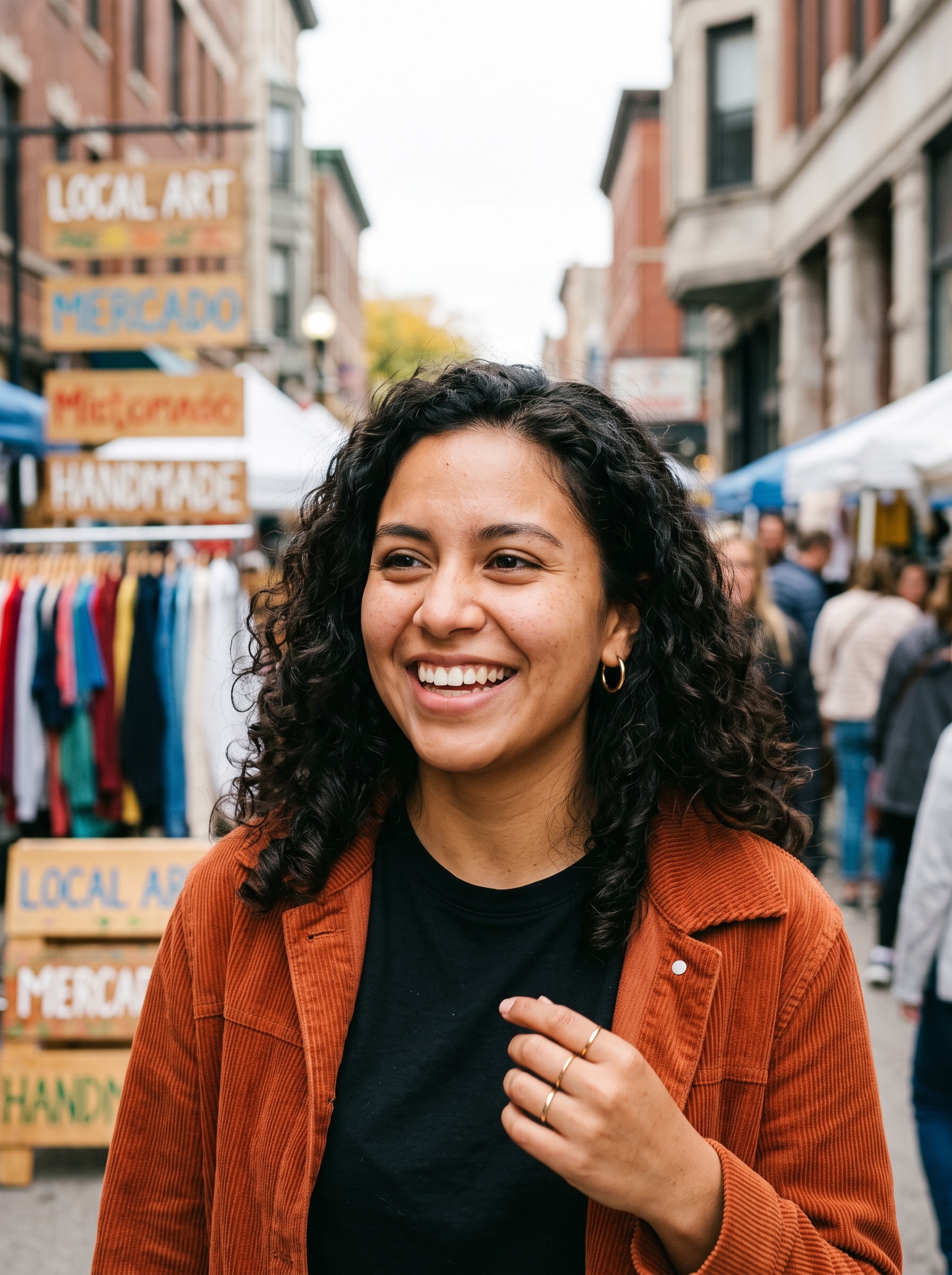

Forty years ago, the streets around Fulton Market smelled of hanging beef and pre-dawn deliveries; now, on Randolph, you can stand under rust-streaked brick and choose between a burger with a cult following, a Michelin-starred pasta room and a Croatian squid-ink risotto before you’ve finished your first block. That is the West Loop in one breath: old Chicago repurposed with expensive confidence, the loading docks traded for host stands, the meat hooks for martini stems.
What West Loop & Fulton Market is known for
West Loop is the city’s great proof that a neighbourhood can keep its bones while changing its clothes. The old meatpacking and produce-distribution grid still shows through in the cold-storage brick, the cobbles, the warehouse widths and the deep loading bays along Fulton Market Street. But the smell is different now. Instead of beef and ice, it’s char, citrus, butter and rye, and the soundtrack is more clinking glass than clanging rail.
Randolph Street is the spine that made the transformation legible. The strip of Restaurant Row, running roughly from Halsted west toward Ogden, is where Chicago’s dining ambition gathered itself and decided to stay. When Stephanie Izard opened Girl & the Goat here in 2010, the conversion from market district to destination wasn’t theoretical anymore. It had a dining room, a waitlist and a line of chefs who understood the opportunity in those old warehouses. The neighbourhood never looked back.

The north end, Fulton Market, is the flashier half of the story. Google’s Midwest headquarters arrived in 2015, McDonald’s global headquarters followed in 2018, and the district’s warehouse conversions suddenly had glass-and-brick company. The effect is a very Chicago kind of swagger: polished but not precious, moneyed but still a little roughed up around the edges. You see it in the way a former belting factory can become Soho House, or in the way a restaurant patio sits where the market’s loading docks used to be.
South of Madison, the mood softens. The blocks get lower, quieter, more residential. Dog walkers cut through the streets, and Mary Bartelme Park gives the neighbourhood its most useful exhale. West Loop is really two moods stitched together, and the seam is part of the charm: office towers and rooftops to the north, calmer blocks and a little more sky to the south. The whole thing feels compact, flat and walkable, which means the district’s best trick is how much it lets you do without ever needing to leave.
Where to eat & drink
This is the reason people come. Not to see and be seen, exactly, though that happens too, but to eat in a district where the serious tables sit close enough together to make a whole night feel curated by geography.
Start on Randolph, where the neighbourhood’s mythology is most concentrated. Girl & the Goat, at 809 W Randolph, is Stephanie Izard’s bold, global, family-style flagship, the restaurant that started Restaurant Row in 2010 and still feels like the place that taught the block how to behave. The menu travels, but the room is grounded: shared plates, wood-fired heat, and the sense that the reservation is not a prelude to dinner but the event itself.

A few doors away in spirit, if not in mood, Au Cheval at 800 W Randolph is the diner-bar that turned a burger into a pilgrimage. The “single” is secretly a double, two griddled patties with cheese, Dijonnaise and a strip of thick bacon, and the place has held the “best burger in America” consensus since 2012. You go because the wait is notorious and because the bar seat, once earned, feels like a small civic victory.
Then head west and north into Fulton Market, where the old meatpacking vocabulary still lingers in the room names and the ceilings are high enough to make appetite feel architectural. The Publican, at 837 W Fulton Market, is Paul Kahan’s cathedral-ceilinged homage to oysters, pork and beer, built around a giant communal table that makes the whole place feel like a very stylish beer hall. Next door in the ecosystem is Publican Quality Meats, at 825 W Fulton Market, which does the quieter work: sandwiches, charcuterie and fresh bread, the kind of place that makes a lunch feel like a local secret even when it’s plainly not.
Taqueria Chingón, at 817 W Fulton Market, brings a different register entirely. On its sidewalk patio, duck-carnitas and blood-sausage tacos arrive with punchy seasoning and none of the ceremony of the bigger rooms nearby. It’s one of those places that reminds you how useful a neighbourhood becomes when it can do both tasting-menu theatre and a sharp taco without changing blocks.
Rose Mary, at 932 W Fulton, is Sarah Grueneberg’s Croatian-Italian room, and it has the sort of dishes that make people talk with their hands. The crni rizot, a squid-ink risotto, gives the room its signature darkness, while farro salads and standout pastas keep the table moving. The food is exacting without being fussy, which is very much the West Loop way when it’s at its best.

Just up the street, Duck Duck Goat at 857 W Fulton Market takes the Izard family’s playfulness in a different direction, with dumplings, spring rolls and glass noodles that read as fun without losing focus. If you want the neighbourhood’s Italian axis, Monteverde at 1020 W Madison is the pasta room everyone mentions for a reason: handmade pasta, cacio e pepe, cauliflower cacio and the kind of consistency that lands it on best-pasta lists again and again. Joe Flamm’s Il Carciofo at 1045 W Fulton Market keeps the Roman side of the conversation going with rigatoni carbonara and fried artichokes, and its Condé Nast Traveler 2025 Hot List nod tells you what the room already knows.
A little farther back along Randolph, Avec at 615 W Randolph remains the small-plates institution that never really ceded its relevance. Chorizo-stuffed bacon dates and taleggio flatbread still do exactly what they should: make a table feel easy, lively and slightly overbooked in the best way. If dinner wants to end with a proper steakhouse turn, Swift & Sons at 1000 W Fulton Market gives you the traditional Boka-group version, complete with a rolling dessert cart that feels deliciously old-school in a district otherwise built on reinvention. And for the most practical souvenir of all, J.P. Graziano at 901 W Randolph has been going since 1937, serving the sub, muffaletta and house giardiniera from a fourth-generation Italian grocery that still feels like a neighbourhood institution rather than a concept.

Going out
The West Loop night is a cocktail night, not a club night. That matters. It means the district’s energy moves from dinner to drinks without ever needing a velvet rope or a DJ drop to justify itself. The bars here are clever, polished and just a little self-aware, which is exactly what you want after a serious meal.
The Aviary, at 955 W Fulton Market, is the standard-bearer. The Alinea group’s high-concept cocktail lab sends out drinks that start around $28 and arrive like edible science, all smoke, texture and theatrical restraint. It is the sort of place where the menu becomes part of the performance and where the room itself seems to understand that the night is supposed to be memorable.
Below it, in the cellar, The Office keeps the mood lower and more intimate. It’s the hidden speakeasy pouring classic cocktails and rare vintage spirits, the kind of room that rewards those who like their glamour with a little secrecy. A few blocks away, Kumiko at 630 W Lake offers a quieter, artier alternative: zine-style menus, Japanese-leaning cocktails and small plates, and the feeling that everyone in the room is speaking in a more careful register than they do anywhere else.

For rooftop air, the district does not disappoint. Aba at 302 N Green, on the third floor, pairs Mediterranean small plates with a heaving open-air terrace, while Cabra atop the Hoxton hotel gives you ceviches, pisco cocktails and a straight-shot skyline view. Down in the Hoxton’s cellar, Lazy Bird keeps a marble-bar cocktail-and-live-music lounge going with classic riffs and a little late-night velvet.
If you want something looser, Estereo at 1001 W Fulton Market is the all-day Latin bar with disco balls, Caribbean rum and a party feel that runs to 2am. Lone Wolf at 806 W Randolph keeps the corner-bar energy alive amid all the polish, pouring Old Style tallboys and local drafts in a room that refuses to overcomplicate itself. And when the night calls for beer at the source, the Goose Island Fulton Street Taproom at 1800 W Fulton pours test batches and the coveted Bourbon County Stout beside the brewery where it’s made, with weekend tours if you want your pint with a little process.
Things to do
The honest answer is that eating and drinking are the main event, but West Loop still gives you enough between meals to make a day of it without feeling like you’ve wandered into a dining-only theme park.
The standout indoor stop is the WNDR Museum at 1130 W Monroe, a multi-sensory immersive-art space with 20-plus installations, including a Yayoi Kusama infinity mirror room among the rotating headliners. It’s the kind of place that works for kids and adults alike because it is unabashedly visual and just strange enough to make everyone lower their phones for a minute.
Mary Bartelme Park, at 115 S Sangamon, is the neighbourhood’s small but clever patch of green. Five off-kilter stainless-steel arches at the entrance release a cooling mist on hot days, the diagonal paths climb to a viewing hill with a downtown skyline view, and there’s a sunken dog park plus a Saturday farmers market from June to October. It’s not a grand park; it’s a useful one, which feels more West Loop than a grand gesture would.
The district’s own history is a walk in itself. Fulton Market Street still carries the feel of the old market in its cobbles and brick, and the plazas of the Google and McDonald’s headquarters show exactly where the money moved in. On the southern edge, Greektown along Halsted keeps its bakeries, delis and taverns, and the National Hellenic Museum adds a cultural counterpoint that reminds you this part of the city has always been layered, not just newly fashionable.
The Randolph Street Market, meanwhile, is the neighbourhood’s recurring flea-market pulse, a monthly indoor-outdoor spread of vintage, antiques and design at the western end of Randolph. It’s one of the few places here where the pace slows enough for browsing to feel like the point.
{{ATTRACTIONS}}
Shopping & markets
Shopping in the West Loop is not a mission so much as a by-product of walking between meals. The retail follows the restaurants, not the other way around, and that is part of its appeal. You drift into a design showroom because it sits next to a cocktail bar, or you end up with a loaf of bread because you were already at the counter anyway.
The best food shopping is also the most characterful. J.P. Graziano, at 901 W Randolph, is a fourth-generation Italian grocery going since 1937, and it remains one of the district’s most satisfying stops for imported tinned fish, cured meats, giardiniera and the kind of sub that makes lunch feel like a local ritual. Publican Quality Meats, at 825 W Fulton Market, serves a different purpose: part butcher, part bakery, part mini-market, with sandwiches, charcuterie and bread to go.
Beyond that, the district’s side streets around Randolph and Green hold design showrooms, home stores and independent boutiques in the loft conversions. It’s a handsome kind of shopping, one that rewards the curious rather than the committed. The recurring headline is still the Randolph Street Market, which turns the western end of the neighbourhood into a monthly indoor-outdoor festival of vintage clothing, antiques, mid-century furniture and local makers. If you like a flea where the people-watching is as good as the finds, this is the one.
For everyday errands, there’s a large Mariano’s on the eastern edge, and for a more old-neighbourhood flavour, Greektown’s bakeries and delis on Halsted are a short walk south. West Loop is not where you come to chase fashion labels. It is where you come to collect excellent things incidentally, usually after dessert.
Where to stay in West Loop & Fulton Market
This is a district that suits people who want to sleep where the evening lives. The hotels here lean stylish and boutique, often in warehouse or factory conversions, which means the architecture itself is part of the stay. The Hoxton Chicago on Green Street is the social heart of the scene, with a mid-century-furnished warehouse feel, the rooftop Cabra above and Lazy Bird below. The Ace Hotel Chicago puts you in the thick of Fulton Market in a turn-of-the-century building, a short walk from the best tables. Nobu Hotel Chicago brings its Japanese design language and famous black cod to the mix, while Soho House Chicago, in a 1907 former belting factory, layers in 40 rooms, a members’ club, pool and restaurants a few blocks southeast of Morgan.
Pick your pocket by temperament. Stay in the northern Fulton Market blocks around Green, Fulton and Lake if you want to be steps from The Publican, The Aviary and the rooftops, in the district’s buzziest stretch. Choose the quieter residential blocks south of Madison, near Mary Bartelme Park, if you prefer calmer streets and a little more breathing room. Either way, the neighbourhood is compact and flat, and the city’s best dinner is never far.
{{HOTELS}}
Getting around
West Loop is one of Chicago’s easiest neighbourhoods to move through on foot, which is a blessing because the whole point is to wander from dinner to drinks and back again without thinking too hard about transport. Most of what you want sits inside a ten-minute stroll, and the blocks are flat enough that even a late-night walk feels simple rather than strategic.
For the L, Morgan on the Green and Pink Lines is the key stop, dropped right into the middle of Fulton Market at Lake and Morgan. Clinton is the other useful station on the eastern edge, and the Blue Line at Clinton or UIC-Halsted is the direct line to O’Hare without a transfer. That is the neighbourhood’s real transit trump card. Ogilvie and Union Stations are also close enough to matter if you’re arriving by Metra.
Downtown is only a short ride east, and a taxi or rideshare across to the main sights usually takes five to ten minutes. O’Hare is roughly 40–50 minutes via the Blue Line, while Midway is better handled by the Orange Line with a downtown change or by car. You do not need a car here. Parking is scarce, the streets are busy, and the district is built for walking between well-lit restaurant blocks, not for circling in search of a garage.
FAQs
Is West Loop / Fulton Market a good area to stay in Chicago?
Yes — if food is a major part of your trip, it’s one of the best bases in the city. You’re sleeping in the middle of Restaurant Row and Fulton Market, with stylish warehouse-conversion hotels and some of Chicago’s most talked-about tables a short walk away. The trade-off is cost: it skews boutique and expensive, and the classic downtown sights are a quick L ride east rather than right outside the door.
Why is Fulton Market so famous for restaurants?
Because it used to be Chicago’s meatpacking and produce district, full of cold-storage warehouses and loading docks, and those old brick buildings became perfect shells for ambitious kitchens. When Stephanie Izard opened Girl & the Goat on Randolph in 2010, the shift accelerated, and then Google and McDonald’s moved in, bringing more foot traffic and money. The result is a dense, walkable cluster of acclaimed restaurants in converted warehouses.
How do you get from West Loop to downtown Chicago and O’Hare Airport?
Downtown is easy: the Green or Pink Line at Morgan or Clinton gets you into the Loop in a few stops, or you can take a short taxi or rideshare. For O’Hare, the Blue Line from Clinton or UIC-Halsted is the straightforward route and takes roughly 40–50 minutes without a transfer. Midway is usually better by ride-hail or by Orange Line with a downtown change.
Is West Loop more for dining or sightseeing?
Dining first, sightseeing second. The neighbourhood does have a few worthwhile stops — WNDR Museum, Mary Bartelme Park, Greektown and the Randolph Street Market — but the real draw is the restaurant and bar scene. If your trip is built around meals, cocktails and a stylish place to stay, this is the right postcode.