Cologne guide
Südstadt, Cologne: where locals go when they want the real city
South of the Ring, Cologne gets softer around the edges: medieval gate, Gründerzeit streets, proper Kneipen, and a food scene that still feels like it belongs to the people who live there.
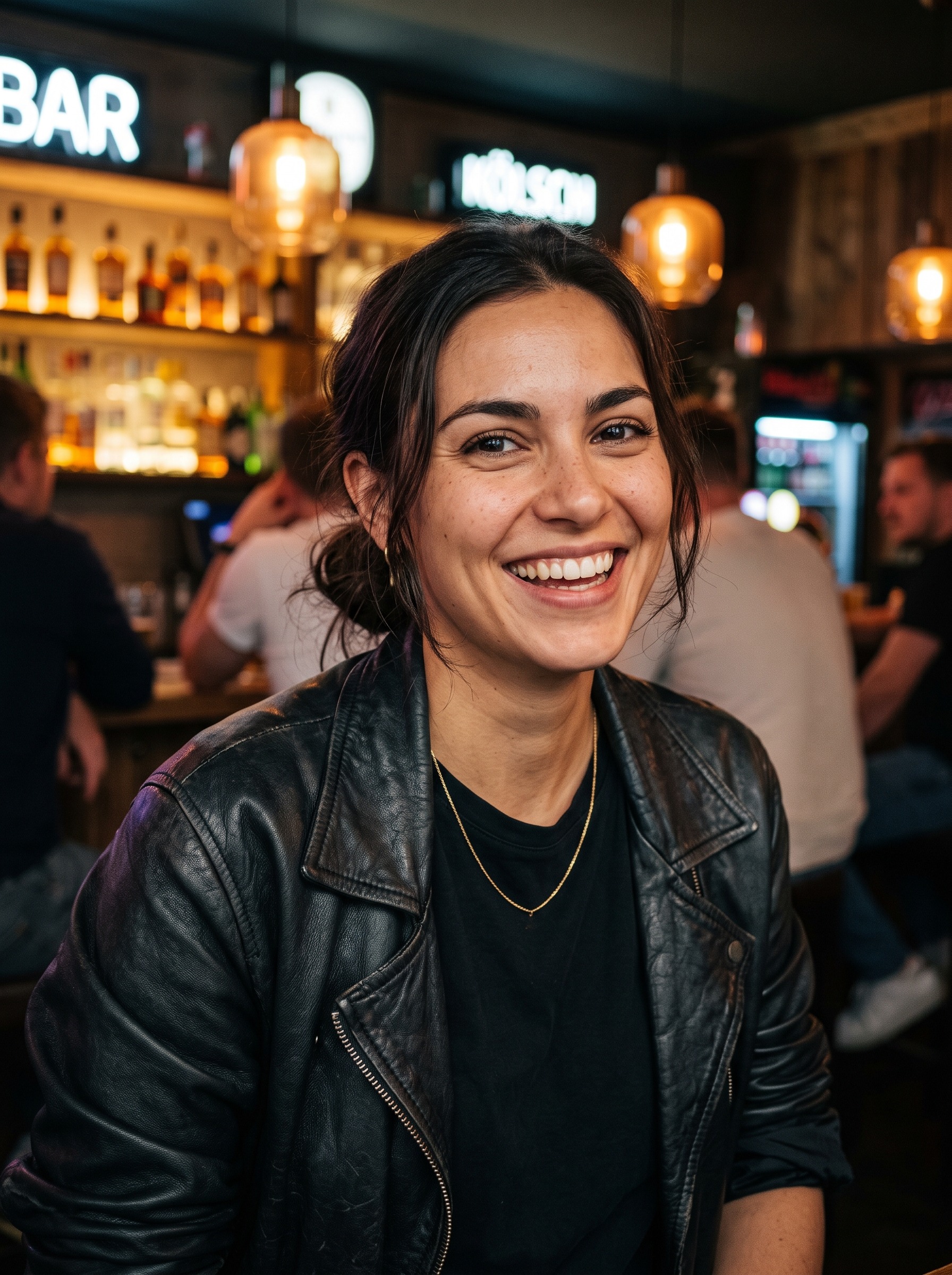 By Miriam Esser

Five streets meet under the stubby medieval tower of the Severinstorburg on Chlodwigplatz, and that is as good a place as any to start understanding Südstadt. The gate stands there like an old foreman, all tuff and basalt and hard weather, while the district fans out behind it in late-19th-century townhouses, vine-covered façades and wrought-iron balconies that make Cologne look briefly as if it had borrowed a few blocks from Paris and decided not to give them back. The effect is not polished. It is lived in, which is the point. Südstadt is where Cologne goes when it wants to stop performing for visitors and get on with being itself.

What the Südstadt is known for
The local shorthand is that Südstadt is Cologne in condensed form, and the phrase earns its keep. Around Chlodwigplatz and the old Severinsviertel — the Vringsveedel, if you want to sound like you’ve been here longer than lunch — the city’s southern quarter still carries its old bones. The Severinstorburg is the anchor, a surviving medieval gate that once guarded the road to Bonn and now presides over a neighbourhood that prefers terraces, bakeries and neighbourly gossip to monuments. Cologne has bigger sights, obviously. It also has more famous drinking streets. But Südstadt is the place people point to when they want to explain how the city actually works at street level.
That means daily life, not checklist tourism. Severinstraße runs up towards the Old Town with boutiques, second-hand shops, bakeries and pubs. Bonner Straße carries the cafés and restaurants southward. The parks are part of the rhythm too: Volksgarten, Friedenspark, the smaller Römerpark by the river. On warm nights someone will be playing guitar on the Eierplätzchen, and nobody behaves as if this is a special event. It is simply what the quarter does when the weather stops being rude. Chlodwigplatz itself is a major Karneval gathering point, but even there the mood is less parade float than neighbourhood reunion. Südstadt has the city’s live-and-let-live streak without needing to advertise it.

Where to eat & drink
The food scene here has no patience for fuss, which is a relief. At Die Fette Kuh on Bonner Straße, the burger counter has been doing business since 2011 and still behaves like a place that expects a queue because the burger is worth the wait. Grass-fed beef, buns baked fresh daily, no bookings. That is the whole argument, and in Südstadt that usually passes for a strong one. You do not come here for ceremony. You come because Cologne’s most-cited burger joint has the confidence to keep things simple.
A different kind of confidence shows up at Phaedra on Elsaßstraße, where modern Greek and Mediterranean cooking lands with more ambition: fried calamari, octopus off the Josper grill, and a wine list that runs past 600 references. That is not neighbourhood filler; that is a serious dinner. The room has the kind of energy that makes you feel you should probably have put on better shoes, but not enough to become annoying about it. Cologne can do this when it wants to, and Südstadt is one of the places where it does.
French cooking has become one of the quarter’s little signatures. Hardy Kugel on Ubierring is the classic country-house bistro in the local register, the sort of place where fish, mussels and snails are the language of the evening. Bagatelle Südstadt on Teutoburger Straße takes the French idea and turns it into tapas, with coq au vin and beef bourguignon appearing in smaller, more sociable forms. That feels very Südstadt: no need to make dinner a ceremony if you can make it a good conversation.

Then there is the Asian side, which is stronger than a casual glance would suggest. Punky Panda on Alteburger Straße does ramen in shoyu, miso and tan-tan broths, with vegan or meat options, and doubles as a genuine cocktail bar. That matters. A place can do noodles all day and still feel like an afterthought; Punky Panda does not. Ramen Kagetsu on Severinstraße 57b adds handmade gyoza and itameshi to the mix. Between the two, you get the sense that Südstadt’s appetite for good food is broad but not loud about it.
For something more stubbornly Cologne, Wirtz on Isabellenstraße is the self-styled Godfather of Kotelett. That should tell you enough, but in case it doesn’t: the pork chop is the size of a plate, and it arrives with fried potatoes. No one is pretending this is a light lunch. It is the sort of meal that makes sense after a long walk, a cold beer and several unwise opinions.
If you want cheap and cheerful without surrendering taste, Toscanini on Jakobstraße runs a three-course lunch for around €15.80. That is the kind of number that still matters in a neighbourhood where people actually eat out on weekdays. Südstadt likes its food honest, and it likes its value even more.
Going out
Südstadt nightlife is not about clubs. It is about pubs, wine bars and one beer garden that knows exactly what it is doing. The warm-weather move is Hellers Volksgarten, set beside the pond in Volksgarten park. It pours Heller brewery’s organic Kölsch and the cloudy, unfiltered summer Wiess straight from the tap, with schnitzel and grilled fare to go with it. And because Cologne is not a city that likes to stand still when it can drift, you can hire a paddleboat on the 5.5-hectare lake between rounds. That is a very Cologne sentence, really: beer, park, boat, repeat.

The traditional pub side is strong enough that you could spend several evenings just comparing rooms and regulars. Ubierschänke on Ubierring is old-school Kölsch pub territory, packed for football and unbothered by trends. Schnörres on Dreikönigenstraße mixes Kölsch with cocktails and weekend DJ sets, which is a useful reminder that Südstadt can loosen its tie when it wants to. Torburg on Kartäuserwall is the whiskey-and-live-music institution, with blues, soul, jazz and rock on the bill. Lotta on Kartäuserwall 12 is the collectively run indie-punk hold-out, complete with kicker table and a monthly pub quiz. This is not nightclub country. It is conversation country, with bass in the walls rather than the floorboards.
The wine bars are where the quarter shows its softer, more self-assured side. Maulvoll on Im Ferkulum is Gault-&-Millau-listed, pours orange wines and hosts small Wednesday concerts. Keimaks on Kurfürstenstraße has been doing its thing since 1997 behind an Art-Nouveau-tiled Parisian counter, and it feels like the sort of place that has seen every version of Cologne come through and stayed calm through all of them. Alvinha on Kurfürstenstraße 1 turns from café into a Venetian-style enoteca with cicchetti after dark. And if your idea of a proper evening still involves football and a pint, the James Joyce Irish Pub on Bonner Straße is there for sports fans and homesick Anglophones alike.

Things to do / what to see
The best thing to do in Südstadt is to walk it slowly and let the neighbourhood explain itself. Start at the Severinstorburg on Chlodwigplatz and read the district off the gate. Medieval wall, 1890s buildings, tram lines, terraces, people carrying groceries and beer in the same direction — the whole story sits there in one glance. It is the kind of place that can make even a jaded local stop and remember Cologne still has layers.
From there, the green spaces are close enough to make a sensible afternoon without requiring a plan. Volksgarten is the obvious one, a classical park with a rowing pond, paddleboats and the Hellers beer garden. It is the neighbourhood’s pressure valve. Friedenspark, laid out around an old fort with neo-baroque touches, is one of the loveliest parks in the city and feels a little more hushed, a little more made for wandering than for lingering over a second round. Römerpark by the river is smaller, but it gives the quarter a softer edge where the city starts to open towards the water.
If you keep going west or south, the Rheinauhafen gives you a different Cologne altogether: redeveloped harbour, the Kranhäuser, waterfront dining and the Chocolate Museum nearby. It is an easy add-on from Severinstraße or Ubierring, and the contrast is part of the fun. Südstadt can go from village-like side street to contemporary waterfront without ever losing its footing. That is not a small trick.
And then there are the neighbourhood in-jokes, which are usually the best part of any district if you know where to look. The Bananenrepublik roundabout, where residents have planted banana trees and palms, is exactly the kind of thing that tells you a place has retained a sense of humour about itself. The Eierplätzchen is the other one: a small oval square where impromptu music sessions spring up on warm nights. You do not schedule that sort of thing. You just pass by and find yourself staying longer than planned.
{{ATTRACTIONS}}
Shopping & markets
Südstadt shopping is not about consumption as a sport. It is about useful, independent, walkable streets where people still seem to know what they are looking for. Severinstraße is the browsey stretch: boutiques, second-hand and vintage stores, record shops and bakeries. Bonner Straße and the side streets between them round things out. The whole area feels stitched together by local habit rather than retail strategy.
For books, Der andere Buchladen has been around for roughly three decades and specialises in small publishers. That alone tells you it has survived by being useful to people who still read for pleasure and not for self-improvement branding. Leo Leo Vintage deals in mid-century furniture and design pieces — more for the eye than the suitcase, which is a polite way of saying you may end up wanting to move house after a visit.
Coffee is practically its own shopping category here. Ernst Kaffeeröster on Bonner Straße has roasted its own fair-trade beans in-house since 2014. Café Einspänner, also on Bonner Straße, opens from 7am and does homemade cakes and cinnamon rolls. Café Rotkehlchen on Merowingerstraße is almost entirely vegan and sits in a former butcher’s shop, which is the sort of adaptive reuse that Cologne does with more charm than theory.
The markets keep the quarter honest. The Südbrücke flea market down by the Rhine brings 150-plus dealers of antiques and second-hand goods, with no new stock allowed and river views besides. There is also a Thursday farmers’ market and an after-work Feierabendmarkt on Chlodwigplatz, plus a cosy December Christmas market and the big two-day Südstadtfest along Bonner Straße each June. None of this is flashy. All of it feels like the neighbourhood talking to itself.
Where to stay in the Südstadt
Südstadt is a residential quarter first and a visitor base second, which is why it works so well if you want to feel like you’ve borrowed a local life for a few days. The accommodation skews towards smaller hotels, guesthouses and apartments rather than chains. Good. The point here is not a lobby with a marble mood board. It is a street with a bakery, a pub and a tram stop.
The sweet spot is anywhere a few minutes from Chlodwigplatz or along Bonner Straße. That puts you within reach of the best restaurants and bars, close to Volksgarten for a morning run, and on a tram line that gets you to the cathedral and main station without drama. If you want a calmer edge, look nearer Ubierring or Rheinauhafen, where the river and harbour architecture soften the pace a little. Prices are mid-range and generally undercut the Old Town for the same standard, which is one of those practical Cologne truths people discover after paying too much elsewhere.
Light sleepers should ask for a room away from the main pub streets on weekend nights. The district stays well lit and busy late, which is reassuring, but a lively neighbourhood is still a lively neighbourhood. The live hotels are listed directly below.
{{HOTELS}}
Getting around
Südstadt is compact and flat, so once you’re in it, you walk. Chlodwigplatz to the Rheinauhafen or Volksgarten is a ten- to fifteen-minute stroll, and that is about the right scale for the quarter. The hub is Chlodwigplatz, served by KVB lines 15, 16 and 17 plus buses 106, 132, 133 and 142. Line 15 runs along the western Ring past Ubierring, tracing the old city wall. Lines 15 and 16 take you straight up to Neumarkt, Heumarkt and the Dom/Hauptbahnhof in well under ten minutes, which is why the cathedral never feels remote even when you are staying somewhere with better coffee and less foot traffic.
For the airport, take a tram to the Hauptbahnhof and change to the S-Bahn S19 for Köln Bonn Airport, which takes roughly 25 to 35 minutes door to platform. A single adult fare within Cologne is €4.00 and a 24-hour ticket is €9.60, as of mid-2026, and there is a KVB customer centre right at Chlodwigplatz if you need to sort yourself out in person. Cycling is easy and popular here, and the Rhine cycle path is a couple of minutes away. That suits Südstadt just fine: a neighbourhood that prefers moving at human speed, with the option to get somewhere else quickly when you must.
FAQs
Is the Südstadt a good area to stay in Cologne?
Yes — if you want to live like a local rather than park yourself in a tourist zone. It’s residential, safe and full of good pubs, bars and restaurants, and you’re only a few tram stops from the cathedral and main station. First-timers who want the Dom and Rhine promenade on the doorstep may prefer the Altstadt, but Südstadt gives you better food, more atmosphere and usually lower prices.
Is the Südstadt safe at night?
Yes. It’s one of Cologne’s more comfortable areas after dark, staying busy and well lit late into the night with locals out for drinks and dinner. Use the usual big-city common sense on crowded weekend pub streets, but there’s no part of the neighbourhood you’d need to avoid.
What is the Südstadt best known for?
Neighbourhood life rather than big sights: traditional Kölsch pubs, natural-wine bars, the Hellers Volksgarten beer garden, and a strong independent food scene around Chlodwigplatz and Bonner Straße. Its landmark is the medieval Severinstorburg gate, and it’s built around green spaces like Volksgarten and Friedenspark.
How do I get around the Südstadt without a car?
Very easily. The quarter is compact and flat, so walking is the default, and Chlodwigplatz is the main tram hub with lines 15, 16 and 17 plus several buses. You can reach the cathedral and main station in under ten minutes by tram, and the Rhine cycle path is close by if you prefer to bike.