Delhi guide
Greater Kailash & South Extension, Delhi: where South Delhi eats, drinks and shops quietly
A walk through Delhi’s polished South Delhi grids, from viral chaat and serious cocktails to wedding sarees, leafy lanes and the kind of markets locals actually use.
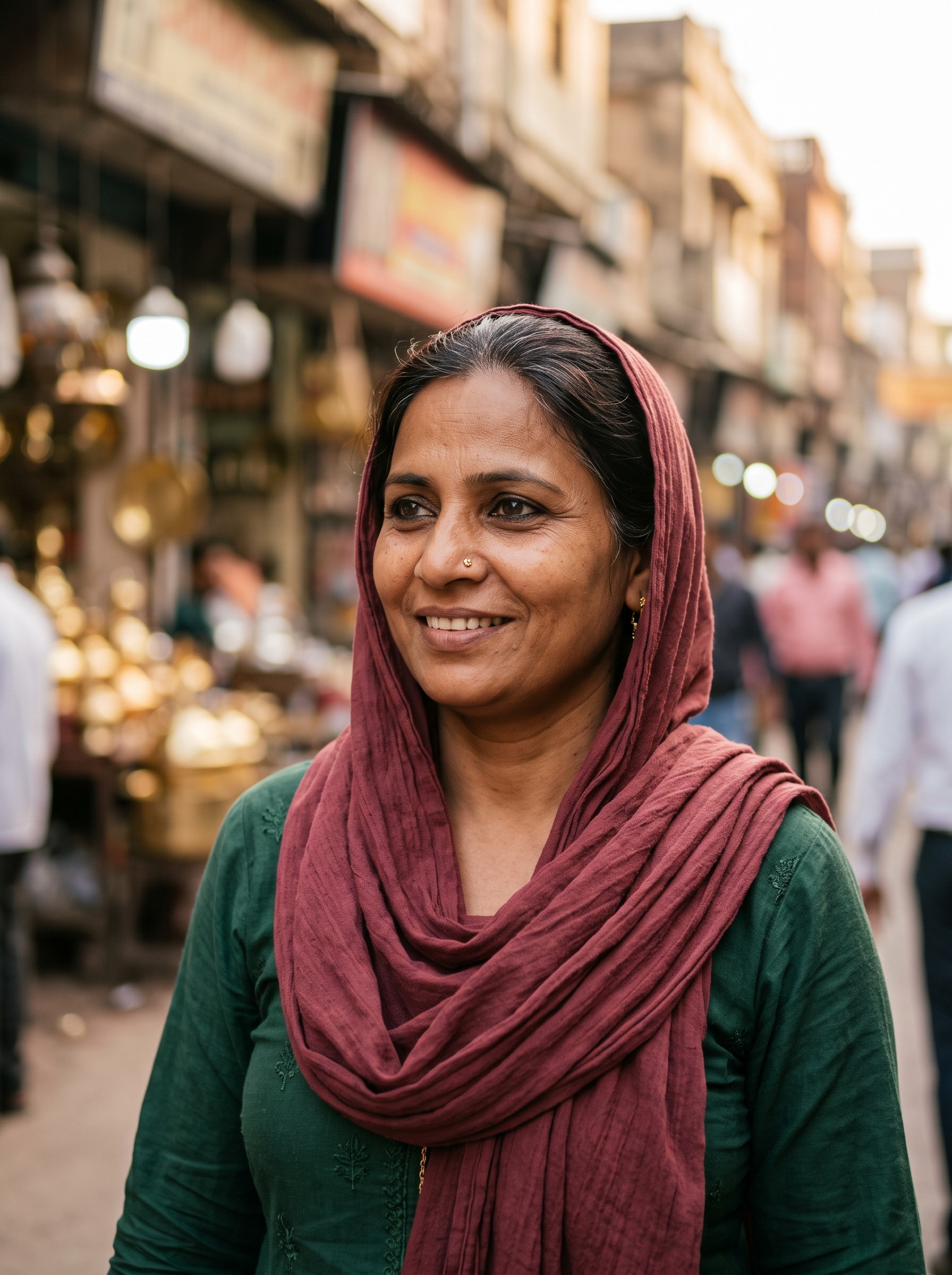

Greater Kailash and South Extension are the sort of Delhi neighbourhoods that don’t raise their voice. They don’t need to. DLF laid these plots out in the early 1960s on land taken from Zamrudpur and Devli Gaon, sold them for sixteen rupees a square yard, and helped turn refugee-era housing demand into one of the capital’s priciest residential grids. Today the appeal is not the bungalow lanes, pleasant as they are, but the market blocks bolted onto them: GK-1’s M and N markets, GK-2’s M-Block, and the twin retail arms of South Extension across the Ring Road. This is where South Delhi goes to eat properly, buy well, and keep its shoes clean while doing it.
What Greater Kailash & South Extension are known for
Two things, really: shopping and eating, at the upper end of both. Greater Kailash — GK to anyone who lives with the abbreviation — was one of the capital’s earliest privately developed planned colonies, carved out by DLF from the early 1960s and built for a city that was still absorbing Partition-era arrivals. It grew into a byword for South Delhi affluence, and its visitor life gathered in the commercial blocks stitched into the residential grid. The neighbourhood is split into GK-1, GK-2 and GK-3, wrapped around the Outer Ring Road, and the markets are the stage on which it performs.
M-Block Market in GK-1 is the loud one, the one everybody seems to have decided on at once. It began as a handful of daily-needs stores in the 1950s and 60s, then became, by the 1980s and 90s, a premium commercial pocket of designers, lifestyle brands and restaurants. N-Block, a short walk away, is its quieter, more curated sibling. Across the Ring Road, GK-2’s M-Block has become the city’s most talked-about bar-and-restaurant strip. And South Extension — South Ex, as Delhi shortens everything it likes — is the long-standing luxury-retail and wedding-shopping address, split into Part I and Part II facing each other. What ties all of it together is a very Delhi kind of reliability. People come here because they know what they’ll get.

Where to eat & drink
Start at street level in GK-1’s M-Block, because this is one of the great casual-eating markets in the city. The landmark is Prince Paan near M-29, a paan-and-chaat corner whose palak patta chaat — crisp-fried spinach leaves under yoghurt, chutney and pomegranate, about ₹140 — went viral and became a Delhi food-walk stop in the most practical way possible. It is the sort of dish that looks like a gimmick until you bite through the crackle and realise someone has actually thought about the balance. The gol gappe are ₹40, the ram laddu ₹90, and both are the sort of things you eat while standing without complaining. A few steps away, Depaul’s pours the thick, cinnamon-topped cold coffee that has long been a South Delhi institution, and Brown Sugar does the market’s cult tandoori momos. For a sit-down meal in the same block, The Big Chill Cafe remains the long-running comfort-food name for pasta, pizza and those oversized desserts that arrive with no sense of shame. Zaffran, by Kasbah, handles proper North Indian cooking when the evening wants kebabs and rich curries rather than a snack and a shrug.
The more ambitious cooking has migrated across the Ring Road to GK-2’s M-Block. Diva, chef Ritu Dalmia’s original Italian restaurant, has been running here since 2000 and remains a genuine Delhi fine-dining fixture; this is the kind of place that has survived long enough to become part of the city’s muscle memory. Artusi Ristorante e Bar, at M-24, makes Emilia-Romagna pasta with the kind of confidence that comes from owners who roll it fresh daily and know exactly why that matters. Trouble Trouble, at M-27, is chef Radhika Khandelwal’s buzzy newer room, with modern plates and a cocktail list literally called Intrusive Thoughts, which is a very 2020s way to name a drink. YouMee, also at M-27, brings youthful pan-Asian energy in a manga-painted room and keeps things steady on sushi, dim sum and ramen.
Over in GK-1’s N-Block, Depot 48 combines live music five nights a week with a Ritu-Dalmia-inspired kitchen, which makes it one of those useful places that can solve dinner and entertainment in one move. Greenr Cafe, below the Strangr rooftop bar, is the well-regarded plant-based option. South Ex adds mall-and-café dining, including Cafe Delhi Heights and its Juicy Lucy burger, which has its own loyal following and no interest in being subtle.

Going out
The area’s real claim to fame is not shopping but bars — specifically the strip of GK-2’s M-Block, which has become the most serious cocktail address in the country. Sidecar at M-29 is the anchor, opened in 2018 by Yangdup Lama and Minakshi Singh, with an intimate upstairs bar over a ground-floor day space and bookshop. It was the first Indian bar to break into Asia’s 50 Best Bars and is a regular on the World’s 50 Best list, which is the sort of credential that matters here because the drinks are not trying to be clever at your expense. Order the house Sidecar — cognac, bourbon, roasted corn and lime acid — and let the room do the rest.

Sidecar set off a cluster. Refuge at M-52 runs one of the longest cocktail bars in the city, a 42-foot counter above a hushed coffee-and-kitchen floor. Barbet & Pals, at M-51, is a small cocktail bar with a menu inspired by India’s mountain states and Northeastern comfort food, and it feels like the sort of place where someone has actually tasted the brief before writing it. Trouble Trouble pulls double duty here too, because Delhi likes its rooms to multitask. Across the Ring Road in GK-1’s N-Block, Strangr is the standout: an open-air rooftop above Greenr café, pouring some of the best tequila and mezcal cocktails in Delhi. Ask for the mezcal picante, Bhao, and order the truffle flatbread while you’re at it; there are cults built on less. Depot 48 is the live-music option — jazz, rock and open-mic nights most nights of the week.
This is a grown-up, cocktail-led night out rather than a late-night club district. People come to GK to drink extremely well and eat properly, not to lose the plot until dawn. On a Friday, the markets are full; on a good night, they hum. That is enough.

Things to do / what to see
Be clear-eyed: the point of GK and South Ex is eating, drinking and shopping, not sightseeing. The monuments are a short cab ride away, not on the doorstep. Still, there are a few worthwhile detours, and they matter because they give the neighbourhood some breathing room.
The nearest proper park is Deer Park, officially Aditya Nath Jha Deer Park, in the Hauz Khas area roughly four kilometres west. It is a large, free, tree-shaded expanse with a spotted-deer enclosure, a boating lake and enough peacocks and parakeets to make a morning walk feel like a small escape. It opens early morning to evening, and it connects onward to Hauz Khas Village, where the medieval reservoir and ruins are waiting if you want to make an afternoon of it. East of the colony, near East of Kailash, the striking modern ISKCON Temple Delhi, Sri Sri Radha Parthasarathi Mandir, sits on Hare Krishna Hill — a soaring, sculptural Krishna temple that is free to enter and worth the short hop. If you want something more design-led, Lodhi Garden and the Lodhi Art District are a 15–20 minute cab ride north and pair naturally with a GK base. The garden is Delhi’s most beloved landscaped park, studded with 15th-century tombs; the art district brings the murals.
Within the markets, the thing to do is simpler and, frankly, more useful: graze. An evening spent moving from palak patta chaat to cold coffee to cocktails is a legitimate Delhi experience, and one most visitors never get because they never leave the tourist core.
{{ATTRACTIONS}}
Shopping & markets
This is why a lot of people come. The markets divide neatly by mood, and Delhi, being Delhi, expects you to know what mood you are in before you step out.
GK-1’s N-Block is the calm, curated one. Fabindia at N-7 does hand-woven and block-printed clothing and homeware; Forest Essentials at N-18 and Kama Ayurveda handle luxury Ayurvedic skincare; and the rest of the block is a run of boutiques for kurtis, saris and home décor. It is noticeably less crowded and less hard-selling than the average Delhi market, with parking you can actually find, which in this city counts as a moral achievement. M-Block in GK-1 is busier and more mixed, with designer boutiques and lifestyle brands stacked above the chaat stalls and coffee chains, and it doubles as the area’s evening hangout. That is the trick of it: one block gives you shopping, the other gives you a reason to linger.
Cross the Ring Road to South Extension, split into Part I and Part II facing each other, and the mood shifts again. This is South Delhi’s wedding-and-luxury engine: Nalli and other silk houses for Kanjivaram and South Indian sarees, jewellers like Tanishq and PC Jewellers for gold and diamonds, and a full lineup of international labels — Levi’s, Lacoste, Nike, Benetton, Calvin Klein — alongside footwear names like Clarks and Metro. It is less about bargaining and more about branded, fixed-price shopping in a polished setting. The practical warning applies everywhere here: the GK markets are shut on Tuesdays and South Ex on Mondays, and weekend parking is a genuine ordeal. Come by cab or metro and save yourself the circling.

Where to stay in Greater Kailash & South Extension
Staying here is a deliberate choice. You swap the walk-out-the-door sightseeing of Connaught Place for a quieter, residential, genuinely local South Delhi base with the city’s best dining and shopping on your doorstep. There are no giant heritage five-stars inside the colony itself; the accommodation is a spread of small business hotels, serviced apartments, boutique guesthouses and B&Bs tucked into the GK and Kailash Colony lanes and along South Ex. That suits a particular traveller well — someone on a second or longer Delhi trip, or a repeat visitor who wants to live a little more like a local and less like a tourist.
Pick your pocket by priority. Near GK-1’s M and N markets puts you steps from the chaat, cafés and boutiques. Around GK-2’s M-Block or Kailash Colony puts you in the thick of the cocktail-and-restaurant scene. South Extension is handiest for shopping and for the airport-side of the Ring Road. Wherever you land, factor in that the metro doesn’t sit directly on top of the best markets and that traffic on the Ring Road is heavy. What you get in return is quiet nights, leafy streets and a neighbourhood that feels lived-in rather than staged.
{{HOTELS}}
Getting around
The area is spread across three Delhi Metro lines, and no single station sits right on the doorstep of the best markets, so most journeys end with a short auto or cab hop. Greater Kailash station on the Magenta Line is the closest to GK-1’s N and M markets, roughly 600 metres from N-Block, a ten-minute walk or a two-minute auto. Kailash Colony on the Violet Line serves the GK-2 side and the eastern colony, about a kilometre from GK-1’s M-Block. South Extension has its own station on the Pink Line, a genuine three-minute, 200-metre walk from the South Ex market — the most metro-friendly spot in the whole area.
Within each market the going is easy and walkable; the pain is moving between them and finding parking. If you’re driving or in a cab, weekends around the GK markets and South Ex are gridlocked and parking is scarce, so lean on the metro or app cabs and autos for short hops. For the airport, Indira Gandhi International Terminal 3 is roughly a 30–45 minute drive depending on traffic. Connaught Place and New Delhi railway station are around 20–30 minutes north by cab, and Hauz Khas and Saket are a short ride west.
Greater Kailash and South Extension are not Delhi’s dramatic face. They are its polished one: the place where the city buys, dines and drinks with its collar buttoned, then goes home to quiet streets and well-lit lanes. That may not sound romantic. It is, though. Just not in the obvious way.
FAQs
Is Greater Kailash a good area to stay in Delhi?
Yes — especially for repeat visitors, foodies and anyone who wants a quiet, residential South Delhi base rather than tourist-central Connaught Place. You get excellent dining, cocktail bars like Sidecar, and upmarket shopping nearby, but the main monuments are still a cab ride away and the area is pricier than most.
What is the difference between GK-1 M-Block and N-Block markets?
GK-1 M-Block is busier and buzzier, with chaat stalls, coffee chains and a more mixed retail scene. N-Block is calmer and more curated, with Fabindia, Forest Essentials and Kama Ayurveda, plus easier parking. The trendiest cocktail bars are across the Ring Road in GK-2’s M-Block.
What is South Extension market best for shopping?
South Extension is South Delhi’s wedding-and-luxury retail address. It’s best for sarees, jewellery, bridal shopping and branded fixed-price retail, with names like Nalli, Tanishq, PC Jewellers, Levi’s, Nike and Clarks. South Extension is also the most metro-friendly market in the area.
How do I get to Greater Kailash and South Extension by metro?
Use Greater Kailash station on the Magenta Line for GK-1 markets, Kailash Colony on the Violet Line for GK-2, and South Extension on the Pink Line for South Ex. None of the stations sits exactly on top of every market, so expect a short walk, auto or cab for some sections.