Dubai guide
DIFC, Dubai: where boardroom lunches turn into late-night cocktails
Dubai International Financial Centre is the city’s most polished after-dark district: a walkable knot of galleries, serious restaurants and skyline bars wrapped around a financial core.
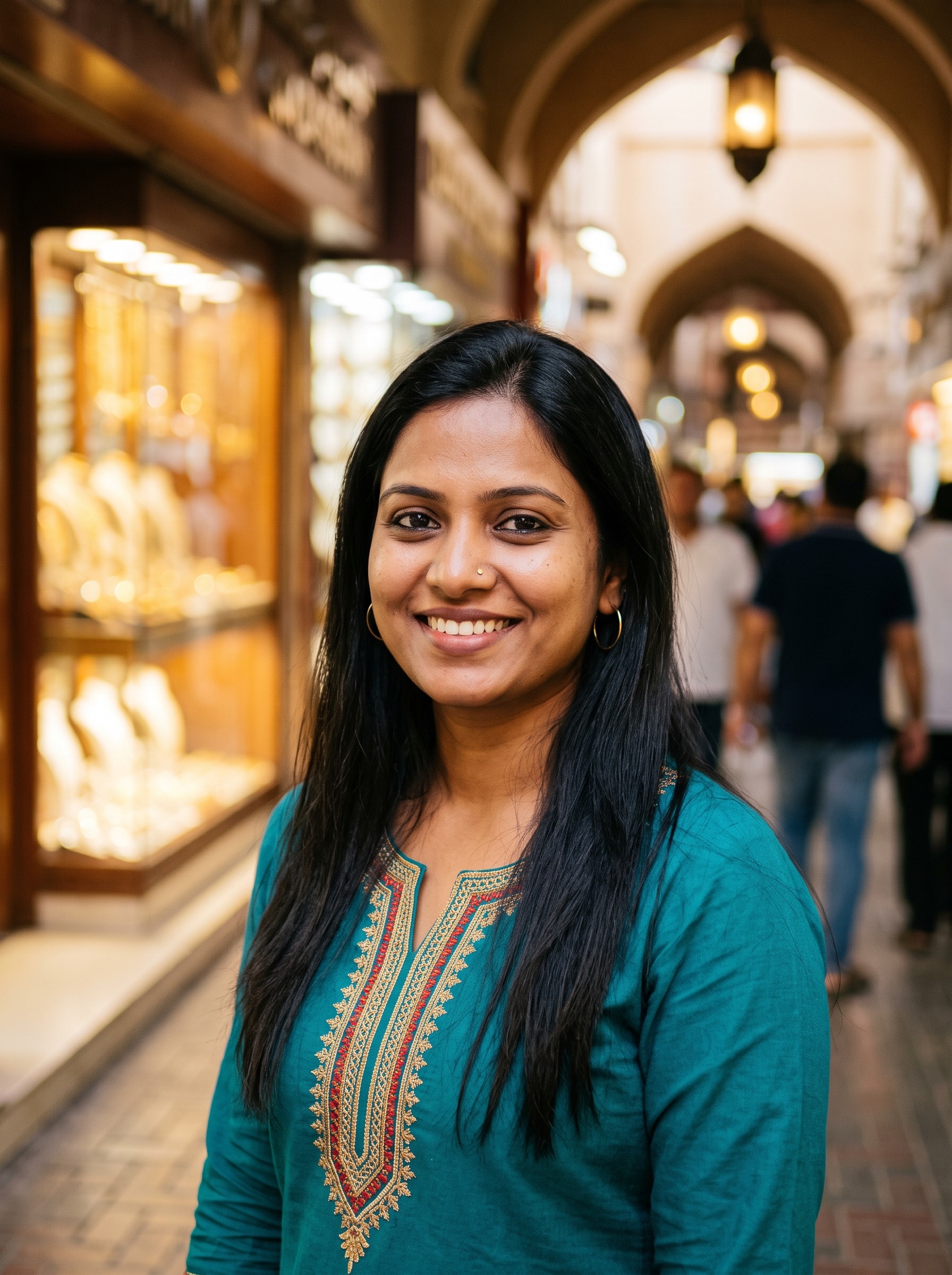 By Aisha Rahman

By 7pm on Al Mustaqbal Street, the bankers have loosened their ties and the district has already changed clothes. The glass towers still hold the day’s numbers, but down at street level the mood is all marble, valet tickets and the soft clink of a second glass. DIFC is Dubai’s grown-up quarter: a purpose-built financial free zone that behaves like a dining district after dark, and a gallery district when the weather allows it. Its architecture is deliberate, its crowd polished, its pleasures expensive. Yet the appeal is not polish alone. It is the strange, satisfying proximity of a Bloomberg terminal to a bar stool, a Damien Hirst work to a robata grill, a business lunch to a cabaret dinner. In a city that often announces itself loudly, DIFC’s confidence is quieter and, to my eye, far more interesting.
What DIFC is known for
DIFC was built to be money’s address, and it still wears that brief in the bones: global banks, lawyers, fund managers, the regional Christie's saleroom, and a courts system run on English common law. But the district’s real identity has grown around the workday rather than inside it. The first thing people talk about is the business lunch, that elegant weekday habit of turning a two- or three-course set menu into a small act of power and convenience. The second is art. Gate Village has become one of Dubai’s most concentrated contemporary art pockets, with galleries such as Opera Gallery, Tabari Artspace, Ayyam Gallery, The Empty Quarter and Perrotin tucked into the upper floors and stone-clad blocks. The third is architecture: The Gate Building’s triumphal arch, the low-rise village beneath it, and newer vertical landmarks such as ICD Brookfield Place and Central Park Towers, which have shifted the district upward without losing its walkable core.
What makes DIFC feel distinct is the way it compresses all of that into a single square kilometre. You can stand under The Gate Building, look along its axis to the Emirates Towers, and feel the city’s modern ambitions lined up like a formal photograph. Then you can turn a corner and find a gallery opening, a terrace, or a lunch crowd already halfway through their second course. It is not a beach district, and it is not pretending to be one. There is no old-town nostalgia here either. DIFC’s charm is more adult than that: it is a place that knows exactly what it is for, then quietly over-delivers on the after-hours part.

Where to eat & drink
This is why people cross town. DIFC has the kind of restaurant density that makes a spontaneous evening feel curated. Start with the old guard in Gate Village, where the names are now part of Dubai’s dining memory. Zuma at Gate Village 6 remains the original izakaya blueprint, the place that taught a generation how to do a business lunch properly; around Dhs159 gets you into the rhythm without having to commit the whole evening. La Petite Maison, at Gate Village 8, is the French-Mediterranean grande dame of the district, still the power-lunch table to beat and still carrying the confidence of a room that has seen every kind of deal. GAIA, at Gate Village 4, brings Izu Ani’s Greek-Mediterranean hand to the table with sharing plates and a Michelin Bib Gourmand that feels earned rather than advertised.
If you want theatre with your lunch, Carnival by Trèsind in Burj Daman is one of the smartest plays in the district: a Michelin-starred modern-Indian room with a business lunch around Dhs110 that makes a persuasive case for staying in the neighbourhood all afternoon. Hutong, in Gate Building 6, goes high-gloss Northern Chinese, with Peking duck, dim sum and Burj views that remind you how much of Dubai’s dining scene is about the skyline as much as the plate. And then there is the newer vertical wave, which has taken DIFC’s appetite upward. Sexy Fish sits on the 11th floor of DIFC Innovation One, pairing a robata grill with a Damien Hirst art collection and a room that feels designed for lingering. Up on the 51st floor of ICD Brookfield Place, Il Gattopardo and Bar des Prés turn dinner into a view-led affair, one modern Italian, the other Franco-Japanese, both very much in the business of making the city look good after dark.

For a more staged evening, Josette at ICD Brookfield Place serves refined French cooking under nightly cabaret, the sort of room where the room itself is part of the menu. Rowley’s in Central Park Towers is the opposite of performance: London steakhouse discipline, one cut of steak, unlimited frites, salad and cake, no reservations, no fuss. It is a useful reminder that DIFC’s luxury can also be stripped back, almost stubbornly so. Mina Brasserie at the Four Seasons and Amazónico round out the field, the first polished and Michelin-recommended, the second Latin-American and lively enough to keep the district from tipping into self-seriousness.
What I like most here is that the dining scene still works as a neighbourhood, not just a trophy cabinet. You can move between a business lunch, a gallery stop and a late dinner without ever feeling the district has changed registers. The walk is part of the pleasure. In DIFC, the evening begins on foot.

Going out
DIFC’s nights are about the well-made drink rather than the dancefloor, and that is exactly why they work. Galaxy Bar in Gate Village 9 is the district’s jewel box: around 45 seats, a hand-painted constellation ceiling, and a reputation that has carried it into The World’s 50 Best Bars more than once. It is the kind of room where the cocktails arrive with a story and the stories arrive with precision. Book ahead; walk-ins are rarely rewarded here, and that is part of the point.
For novelty, Tap Line beneath Rowley’s in Central Park Towers is pure practical theatre: eight classic cocktails on tap, including a Negroni that lands in about fifteen seconds. Above it, The Ledge gives the whole idea some air, with Burj Khalifa and skyline views that make a single glass feel like an occasion. These are not places that shout. They are places that understand timing.
The speakeasy instinct runs strong in DIFC. Ongaku hides behind a discreet red door inside Clap in Gate Village, and the reward is a Tokyo-style listening bar with one of the district’s biggest rooftop terraces, facing the Emirates Towers and the Museum of the Future. Moonshine, reached through a green fridge door behind Wise Guys deli, has already picked up the Best Speakeasy title at the 2024 Time Out Dubai Nightlife Awards, which feels right for a room that treats entry as part of the ritual. And then there is St. Trop on the 18th floor of the Waldorf Astoria, where French-Riviera glamour meets Burj views and the mood is rosé, not rave. DIFC knows how to keep a night moving without ever needing a club.

Things to do / what to see
The best thing to do in DIFC is slow down and let the district reveal itself on foot. Begin with Gate Village, where the galleries are not decorative filler but the point of the place. Opera Gallery, Tabari Artspace in Gate Village 3, Ayyam Gallery, The Empty Quarter and Perrotin make this one of Dubai’s most satisfying gallery crawls, especially on weekday afternoons and early evenings when the spaces are open and the pace is unhurried. You can move from one room to the next without ever leaving the neighbourhood’s sheltered geometry. The effect is more urban salon than art trail, and that suits DIFC’s temperament.
If you can time it for spring, DIFC Art Nights is the district at its most generous: four free evenings when Gate Village becomes an open-air exhibition of more than 200 works, with live painting and digital installations spilling into the plazas. It is one of those events that makes the architecture feel alive rather than merely impressive. The village’s bridges, shaded squares and low-rise blocks become a kind of stage set for the city’s creative side. And because the event is free, it draws a mix that feels more democratic than the district’s polished dining rooms might suggest.
The Gate Building is worth a pause even if you have no appointment inside. Stand beneath the arch at dusk and the whole composition makes sense: the deliberate axis, the line to the Emirates Towers, the sense of formal ambition translated into stone and glass. From there, walk the Gate Avenue corridor, the 880-metre air-conditioned thread that links The Gate Building to Central Park Towers. It is not glamorous in the obvious way, but it is one of DIFC’s defining pieces of urban design, a climate-controlled promenade where the city’s practical and social lives meet without friction.
ICD Brookfield Place deserves a look too, especially for its soaring atrium and rotating art and design programming. It is newer, shinier, and more vertical than Gate Village, but it adds to the neighbourhood rather than competing with it. DIFC works because its parts are close enough to feel interconnected and varied enough to keep you moving.
{{ATTRACTIONS}}
Shopping & markets
DIFC is not a mall district, and that is a relief. Shopping here is mostly folded into the walk between lunch, drinks and a gallery stop. Gate Avenue is the district’s retail spine: an 880-metre, climate-controlled promenade with more than 370 outlets, focused less on fast fashion and more on lifestyle, beauty, homeware and regional designers. There are boutique fitness studios, specialist coffee roasters, a City Check-In and travel store, and the occasional pop-up, but no sense that you are being herded toward an anchor department store. It is browsing as a side quest, not a life sentence.
That is the right scale for DIFC. If you want the full luxury sweep, the Dubai Mall is a short metro hop away in Downtown. But DIFC’s own retail has a calmer, more local rhythm. You can step out of a restaurant, drift through the walkway, and pick up a few things without losing the thread of your afternoon. The real market here is cultural rather than commercial: the galleries, the art nights, the design programming in and around ICD Brookfield Place. Treat the shopping as seasoning, not the meal.

Where to stay in DIFC
DIFC’s hotels are made for people who want to sleep, meet and dine without ever properly leaving the district. The Waldorf Astoria Dubai International Financial Centre occupies the upper floors of Burj Daman on the edge of the neighbourhood, with St. Trop on the 18th floor giving it a rooftop edge and front-on Burj Khalifa views. It is polished, business-friendly and very much in keeping with DIFC’s taste for quiet luxury. The Ritz-Carlton, DIFC sits right in the thick of Gate Village, which means the galleries and the best restaurants are literally outside the door. It has also kept refreshing its own dining line-up, which matters in a district where people notice these things. Across the road, the Four Seasons Hotel DIFC is the discreet, low-rise choice, home to Mina Brasserie and offering complimentary transfers to its beach sister in Jumeirah if you want sand with your city break.
{{HOTELS}}
The trade-offs are simple. DIFC is expensive, and it has no beach, no family-park energy, and no old-town romance. But if your trip is about dining, drinking and art, the convenience is hard to beat. You can stay here, eat here, meet here, and still get to the Burj Khalifa or the airport quickly by metro or car. That is a rare kind of ease in Dubai, and one worth paying for if it suits the way you travel.
Getting around
DIFC is compact in a way that feels almost old-fashioned by Dubai standards. The whole point of Gate Avenue is that you can cross the district end to end under air conditioning, over shaded bridges and between connected blocks, without ever having to think too hard about the weather. Financial Centre station on the Red Line is the main arrival point, about a ten-minute covered walk from the heart of Gate Village, while Emirates Towers station is the alternative and connects via an indoor walkway. From either station, Downtown and the Burj Khalifa/Dubai Mall are only one or two stops away, which makes DIFC an easy base if you want to dip in and out of the city’s icons without driving.
Taxis and ride-hailing are constant and relatively cheap for short hops, which helps in the hotter months when even a few minutes outside can feel like a negotiation. Driving in is possible, but parking is paid by the hour on weekdays, though many restaurants validate a few hours free. In practice, the metro is the smart arrival and the most elegant way to keep the district’s walkable logic intact. Dubai International Airport is roughly 15 to 20 minutes away by car in light traffic, or a straightforward Red Line ride.
DIFC is very safe day and night, with the polish of a well-patrolled corporate district and the usual care around valuables. It is not the Dubai of beaches or souks or low-rise lanes, and it does not try to be. What it offers instead is a dense, expensive, highly walkable urban room where work, art, dinner and a final drink all sit within the same polished frame. For the right traveller, that is exactly the point.
FAQs
Is DIFC a good area to stay in Dubai?
Yes, if your trip is about dining, drinking and art rather than the beach. Staying at the Waldorf Astoria, Ritz-Carlton or Four Seasons DIFC puts you inside one of the city’s densest clusters of top restaurants and bars, with a short metro ride to the Burj Khalifa and the airport. The trade-offs are cost — it is firmly an expensive district — and the lack of a beach or family attractions. If sand and pools are the point of your trip, look at Dubai Marina, JBR or Jumeirah instead.
What is DIFC best known for?
By day it is Dubai’s financial free zone — banks, law firms, the regional Christie's and an English-common-law court system. By night it is a fine-dining and cocktail destination: a walkable cluster of Michelin-listed restaurants such as Carnival by Trèsind, plus long-running names like Zuma and LPM, world-ranked bars like Galaxy Bar, and the contemporary galleries of Gate Village. The weekday business lunch and the spring DIFC Art Nights festival are two of its signature draws.
How do I get to DIFC by metro?
Take the Dubai Metro Red Line to Financial Centre station, which is a roughly ten-minute covered, air-conditioned walk from the heart of Gate Village and the main restaurants. Emirates Towers station, one stop along, is an alternative and connects by indoor walkway. From either you are only one or two stops from the Burj Khalifa/Dubai Mall in Downtown, so it is easy to combine DIFC dining with the city’s icons without driving.
Is DIFC only for business travellers?
Not at all. It is built for business, but its real draw for visitors is the after-hours life: serious restaurants, destination bars, galleries and an unusually walkable layout. It works especially well for travellers who like to eat well, drink well and move between both without needing a car.