Dubrovnik guide
Gruž, Dubrovnik: the port where the city actually lives
Dubrovnik’s working waterfront is louder, cheaper and more useful than the Old Town — and that is precisely why it matters.
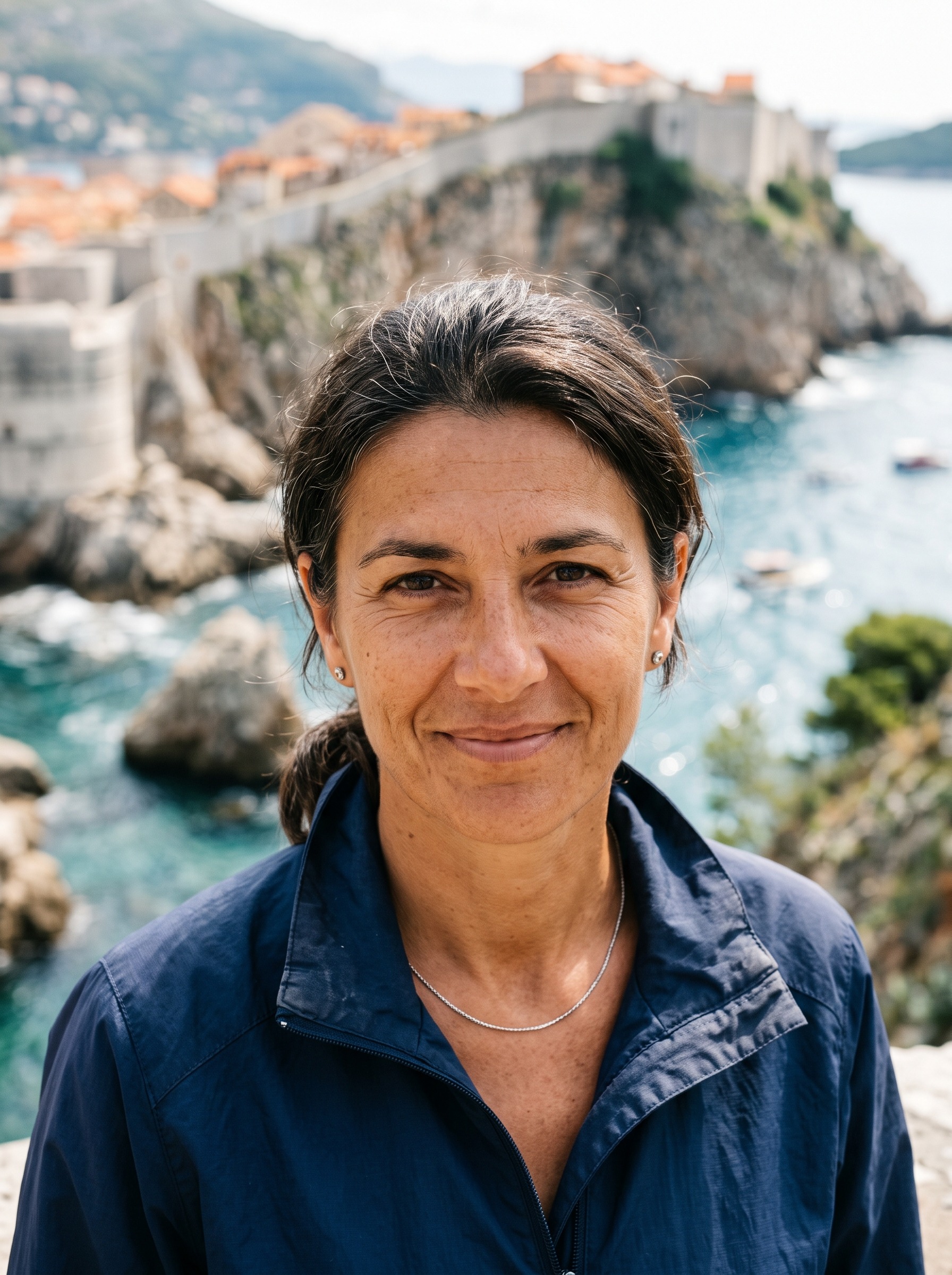

By 6:30 in the morning, Gruž is already in motion: fishmongers at the market are laying the night’s catch on crushed ice while the first Jadrolinija ferry idles at the pier across the road. That is the whole neighbourhood in one glance — practical, salt-streaked, and awake before the rest of Dubrovnik has found its coffee. Two kilometres from the marble lanes of the Old Town, this is where the city does its actual living: boats loading, crates clattering, commuters hurrying, locals buying dinner rather than photographing it.
What Gruž is known for
Gruž is Dubrovnik’s front door by sea and land. The cruise terminal, ferry pier and central bus station all sit on this bay, which makes the district less a destination in the postcard sense and more a working machine that keeps the city fed, ferried and connected. Historically it was the summer-villa retreat of wealthy Ragusans, then the industrial quarter from the 19th century on; today it is mostly residential, with a few faded mansions still standing along the main road like dignified old relatives who have refused to move with the times.
The district’s beating heart is the Gruž market, a combined green-and-fish market with a lightweight adjustable canopy completed in 2024 by the Croatian studio ARP / Peračić-Veljačić. It was named one of seven finalists for the 2026 EU Mies van der Rohe Award, which is not bad for a place where people mostly come to buy tomatoes, herbs and the day’s fish. That contrast is very Gruž: a genuinely local daily market that also happens to be a piece of award-shortlisted design.

The neighbourhood’s other identity is simpler and, frankly, more useful: it is the affordable, un-touristy side of Dubrovnik. If you want to eat and drink like a resident, jump on a boat, or base yourself cheaply within easy reach of the walls, this is where the city stops performing and starts functioning.
Where to eat & drink
Start at the source. Gruž market opens around 6:30am, and if you arrive early enough you get the best version of the place: fish on ice from the boats, plus tomatoes, zucchini flowers, herbs, olive oil and cheese from Konavle farmers. Fridays and Saturdays are busiest and the fish is freshest early. Bring cash; most stalls do not take cards, and by 10am the best is gone. There is something pleasingly unsentimental about it. No one is here to curate a lifestyle. They are here because dinner still needs buying.
Right beside the market, Bistro Glorijet serves the catch under the barrel-vaulted brick ceiling of a former boathouse, with tables spilling toward the quay. Order the fish soup, grilled daily catch — the mullet and sea bass get the loudest praise — or a cuttlefish risotto. It is better value than almost anything inside the walls, and it does not pretend otherwise.

For a proper local lunch, Konoba Tabak on Vukovarska hides at the back of a car park and does marenda, the Dalmatian working lunch, of charcoal-grilled meat and fish and home-style ready meals for roughly €8–10 a dish. It is open for lunch only and shuts around 6pm. Regulars swear by it precisely because tourists rarely find it, which is usually a good sign unless you are the kind of person who needs a menu to have a logo on it.
On the harbour promenade, Restaurant Amfora at Obala Stjepana Radića 26 is the smarter option: sea bass, mussels buzara and dry-aged steaks off the charcoal grill on a terrace over the port. It is a Travelers’ Choice pick, but still cheaper than the Old Town’s headline names. That matters. Dubrovnik has plenty of places that charge you for the address; Amfora at least gives you the view with the bill.
A little farther along the bay, Restaurant Orsan on the Gruž Bay marina has been open since the 1950s and remains a favourite with locals for the catch of the day. There is a reason places like that survive: not branding, not trend-chasing, just fish cooked properly and a room that knows what it is for.
Going out
Gruž is not a party district, and thank goodness for that. The evenings here are about a good drink with a view rather than a club scene. The standout is Love Bar, tucked uphill just round the corner from the harbourfront at Andrije Hebranga 95. Its big terrace, ringed with pots of mint that go into the mojitos, catches one of the best sunsets in the city. Cocktails land around €8–9, which in Dubrovnik is almost a civic service. It opens noon to 2am, plays everything from clubby grooves to hipster pop, hosts local bands on summer nights and runs proudly under a no-judgment, just-love LGBTQ+-friendly ethos.

The other essential stop is the Dubrovnik Beer Company taproom at Obala Ivana Pavla II 15, steps from the cruise terminal. Founded in 2016, it pours four unfiltered core beers straight from the tanks — including the Maestral lager and the rich Grego milk stout — in a rugged, factory-style room with indoor and outdoor seating, decent burgers and regular live music. Their one-hour brewery tour walks you through the tanks and finishes with a tasting of all four. If you want something bigger and later, head to the Old Town. If you want a mellow, local night out, Gruž can absolutely manage it without breaking a sweat.

Things to do / what to see
The market is the morning event here. Go early, watch the fish auction of daily life, pick up picnic supplies, and then let the district reveal itself at a more civilised pace. After that, Gruž becomes a launchpad. The pier directly across from the market is where the small boats and Elaphiti Islands day tours cast off, most departing around 9:15am for a full day hopping Koločep, Lopud and Šipan with swim stops and lunch aboard. If you are the kind of traveller who likes a tidy package and a fixed departure time, that will do. If you are the kind who notices that the boat tour is probably charging you a handsome sum to take you somewhere the public ferry can also reach, keep reading.
The Jadrolinija ferry line 807 leaves the same harbour for the three islands — Koločep first, about 30 minutes away, then Lopud, then Šipan — for a fraction of the tour price. That is the sort of arithmetic I respect. The Adriatic is generous enough without paying extra to be told where to stand while looking at it.
The harbourfront promenade is worth your time even if you never board a boat. It makes an easy, flat walk along the bay, past old villas and yacht moorings toward the ACI marina and the coastal path around toward Lapad. It is one of the more underrated strolls in the city, all working-port texture and open water rather than crowds. You get bus exhaust, yes, and forklifts, and the odd sailor hauling crates, but also the light changing on the water and the sense that the city has finally stopped posing.

Beer fans should time the Dubrovnik Beer Company brewery tour; market lovers can simply loop back for a second coffee and watch the boats. It is a district you use more than tick off — but as a base for getting out onto the water, nowhere in Dubrovnik is more convenient.
{{ATTRACTIONS}}
Shopping & markets
Shopping in Gruž is practical and refreshingly real. The Gruž market is the main draw: daily fruit, vegetables, herbs, honey, olive oil and cheese from the surrounding Konavle countryside, plus the fish hall where the boats land their catch. Bring cash and come before 10am for the pick of it. The whole place works on a simple principle: if you arrive early, you eat well; if you arrive late, you get the story of what was there.
Beyond the market, the harbour road is lined with everyday amenities rather than souvenir traps: bakeries, small grocers, pharmacies, exchange offices, car-rental desks and a large supermarket by the bridge, along with the Minceta shopping centre nearby. If you have been stung by Old Town prices, this is where you restock. The same bottle of local wine or bag of dried figs costs noticeably less on this side of the water. It is the place to shop like a resident, not a tourist.
Where to stay in Gruž
Gruž is Dubrovnik’s best-value base, and it makes most sense for early ferry-catchers and travellers who would rather spend on boats and dinners than on a room inside the walls. Expect apartments and small guesthouses rather than grand hotels, most within a short walk of the port and bus station and priced well below the Old Town or Ploče. The trade-off is honesty about the setting: this is a working harbour, so rooms directly on the main road get traffic and early-morning ferry noise. Aim for the quieter streets that climb the slope above the bay, around Andrije Hebranga and near Love Bar, for the same convenience with more peace. You are never more than a 10-minute bus from Pile Gate, and you wake up steps from your morning boat.
The area’s live hotels and apartments render directly below.
{{HOTELS}}
Getting around
Gruž is Dubrovnik’s transport hub, so getting anywhere is simple. The main bus station and cruise and ferry terminals are all here on the bay. Local Libertas bus lines 1A, 1B, 3 and 8 connect the port to Pile Gate at the Old Town’s western entrance in about 10–15 minutes; a taxi runs roughly €10–15 for the same hop. Buy a multi-ride ticket at a newsstand rather than paying more on board. On foot, it is a flat 25–30 minute walk into town, or a pleasant promenade stroll around the bay toward Lapad. For the airport, catch the intercity or airport bus from the main station or a taxi, about 30–40 minutes south. And of course, the whole reason many people stay here: your ferry to Lokrum, the Elaphiti Islands and the wider Dalmatian coast leaves from the pier at your feet.
FAQs
Is Gruž a good area to stay in Dubrovnik?
Yes, if value and convenience matter more than sleeping inside the walls. Gruž has some of Dubrovnik’s most affordable apartments, sits next to the ferry, cruise and bus terminals, and is a 10–15 minute bus from the Old Town. It is a working port rather than a pretty one, so choose a room off the main harbour road if you want to avoid traffic and early-ferry noise.
What is there to do in Gruž?
The Gruž market is the morning highlight — go before 10am for the freshest fish and produce. From the pier you can catch tours or the public ferry to the Elaphiti Islands, walk the harbour promenade past old villas, tour the Dubrovnik Beer Company brewery, and eat well-priced seafood at places like Bistro Glorijet and Amfora.
Is Gruž cheaper than Dubrovnik’s Old Town?
Yes, noticeably. Accommodation, restaurants, drinks and groceries all cost less on the Gruž side of the water than inside or beside the walls. A grilled fish lunch at Glorijet, a cocktail at Love Bar or a room near the port will usually run well below Old Town prices for comparable quality.
Can you visit the islands from Gruž without booking a tour?
Yes. The Jadrolinija ferry line 807 leaves from Gruž harbour for Koločep, Lopud and Šipan, making independent island-hopping far cheaper than a full-day boat tour.