Dubrovnik guide
Pile, Dubrovnik: the city’s western threshold with a sea view
At Dubrovnik’s western gate, Pile gives you the Stradun in two minutes, a fortress sunset on tap, and a cove where the locals still swim beneath the walls.
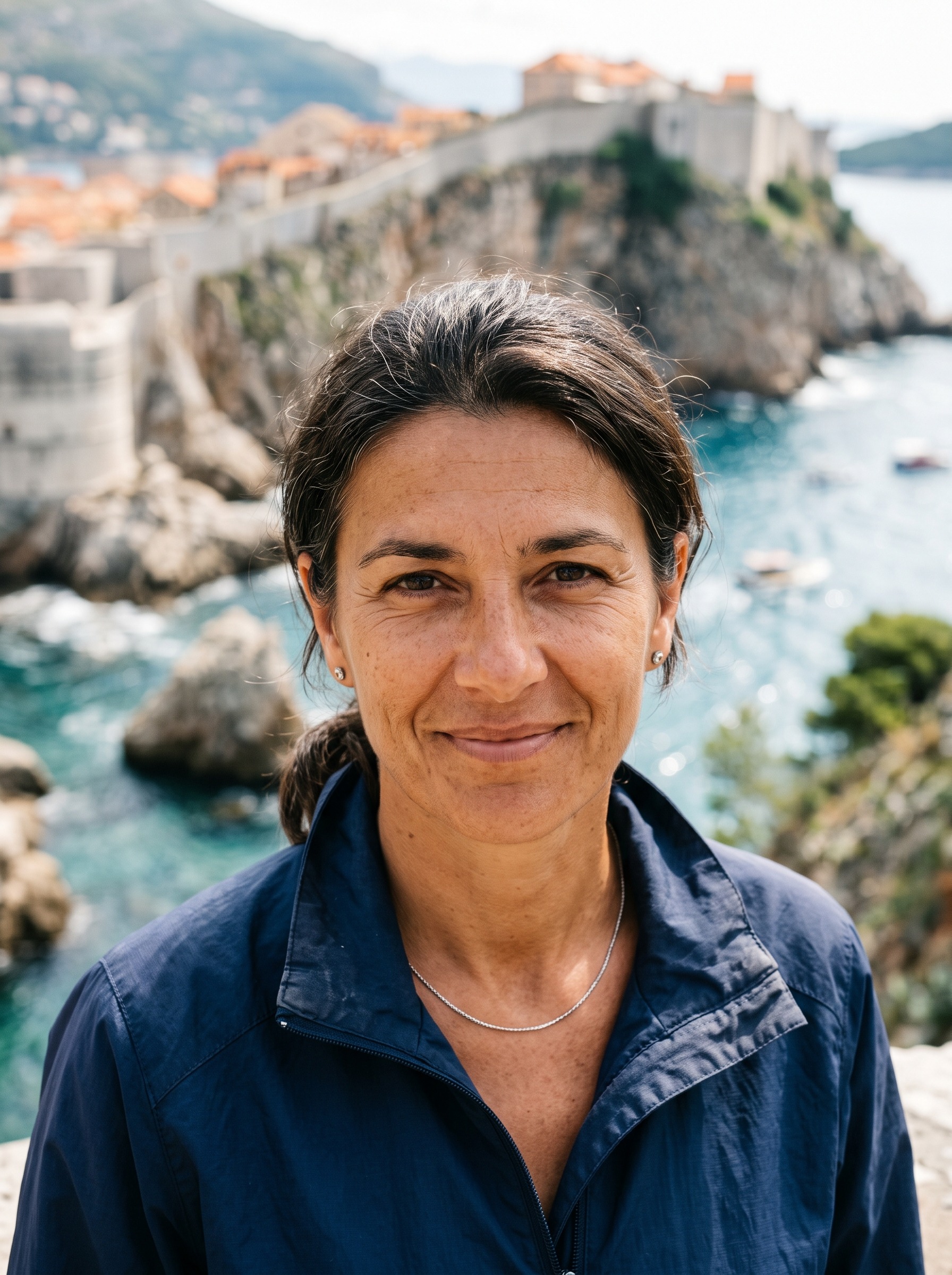

Pile is where Dubrovnik draws its breath before the walls close in. Step off the bus at the palm-shaded square and you get the city’s daily theatre in one glance: coaches nosing in, tour flags bobbing, the western gate a few strides away, and the sea glinting past Lovrijenac like it has somewhere better to be. The trick is not to rush. Pile rewards the few people who pause before crossing the drawbridge, because on this side of the gate Dubrovnik loosens its tie. The postcard opens up — fortress on the cliff, bastion curving into the water, and a small cove tucked below the walls where locals still swim in the shadow of the city’s most famous stone.
What Pile is known for
Pile is Dubrovnik’s western threshold, and the whole neighbourhood is arranged around that fact. The first thing most people see is Pile Gate, the old front door to the city: a double gate with an inner arch from 1460 and an outer one from 1537, once linked by a wooden drawbridge that was raised at night on counterweights. It sounds ceremonial because it was ceremonial, and still is, even with the buses huffing nearby. A statue of St Blaise watches over each entrance, the inner one a 20th-century work by Ivan Meštrović. Cross through, and the city changes pitch immediately. On the other side, Great Onofrio’s Fountain waits on the right at the head of the Stradun, its 16-sided dome from 1438 still feeding cold spring water piped 12 kilometres from Rijeka Dubrovačka. Dubrovnik is a city that likes a bit of drama; Pile gives it an overture.

But the defining sight is actually on the Pile side, where the stone begins to look maritime. Fort Lovrijenac rises on a sheer 37-metre rock, separate from the walls and proud of it, the only free-standing fortress in the system. Above its door sits the Latin motto Non bene pro toto libertas venditur auro — freedom is not sold for all the gold in the world — which is the sort of line Dubrovnik can carry without blushing. Game of Thrones fans know it as the Red Keep; theatre people know it as the open-air stage where Hamlet has been performed at the Dubrovnik Summer Festival since 1952. Beside it, Bokar fortress — also called Zvjezdan — rounds into the water, built to guard the ditch and gate you just walked through. From Pile, the city’s defensive logic makes sense in a way it never quite does from inside the maze. Here you can read the whole sentence.
The neighbourhood itself has a split personality, and that is precisely why it works. The square is Dubrovnik’s busiest bus terminus, noisy with arrivals, departures and the general impatience of people who think the city will wait for them. Take twenty steps away and the sound drops. To the north, Brsalje sits under century-old plane trees, with cafés spilling terraces toward the Lovrijenac view. To the south, the ground falls away toward Šulić bay, a rock-and-pebble cove where teenagers cliff-jump and pensioners do slow lengths past the fortress walls. The buildings here are 19th-century stone rather than medieval marble, which gives Pile a more lived-in look than the Old Town proper. It is scrappier, yes, but also more useful, and in Dubrovnik usefulness is underrated.
Where to eat & drink
Pile punches above its weight for a place that also functions as a transport hub. The headline act is Nautika, right on the sea at the western entrance, in the former Maritime School building that welcomed seafarers from 1881. It is one of the Old Town’s celebrated fine-dining rooms, listed in the Michelin Guide, with chef Mario Bunda working a classic Dalmatian seafood menu with a French-Italian backbone. The terrace looks straight at illuminated Lovrijenac and Bokar, which is the sort of view that can make a plate of Vis lobster feel like a reasonable life decision. It is a special-occasion splurge, obviously, but if you time it for sunset you at least get your money’s worth in light.

A short walk up on Brsalje square, Dubravka 1836 is the more relaxed sister venue and a Pile institution since, as the name says, 1836. The terrace unfurls under giant plane trees with a fortress panorama that does half the work for you: Lovrijenac, Bokar and Minčeta all in the frame, while the kitchen keeps things Mediterranean and unfussy. Think grilled squid, fresh pasta, wood-oven pizza and a proper Dalmatian steak, served all day from around 8am to 11pm. It is the sort of place where you can have breakfast, a late lunch or a very sensible glass of something at sunset without changing your shoes.
For a polished meal just outside the gate, Posat tucks under the walls and leans into fish, fresh produce and a chef who grows his own vegetables on a small farm. It picked up a Travelers’ Choice award for 2025, which is a useful signal if you like your seafood with less theatre and more competence. Then, down by the cove, the mood changes completely. Ala Mizerija sits above Šulić with cheap, generous plates — bruschetta with tomato and anchovy, seafood salads — and takes cards, which is a small mercy when you’ve come down for a swim and don’t want to negotiate with your wallet. Nearby, Dodo Beach Bar does well-mixed cocktails over the same fortress view, though you’ll need cash. There is a certain poetry in that: one bar for people who planned ahead, one for people who forgot.
Going out
Pile is not where you come to stay out all night, and the neighbourhood is honest enough to admit it. Once the last coaches leave and the day-trippers drift back to their ships, the square empties and the energy moves inside the walls. What Pile does own is the golden hour, and it owns it without having to shout. This is one of the best free shows in Dubrovnik: the sun dropping behind Lovrijenac, the sea wall catching the last light, the whole western edge of the city turning copper for a few brief minutes before dark. Claim a terrace at Dubravka 1836 or a rock ledge at Šulić beach well before sunset and let the city do the rest.

If you want a proper drink after dark, the good news is that everything interesting is still only a two-minute stroll through the gate. The cliff-clinging Buža bars are cut into the seaward walls for drinks above the waves, and Troubadour, the little jazz bar behind the Cathedral, runs live music into the night. Neither is in Pile proper, but that is the point: from a bed in Pile you are closer to both than almost anyone paying more to sleep inside the walls. The neighbourhood may go quiet after dark, but it leaves you with an easy exit and a better morning.
Things to do
Pile is a launch pad, which is a polite way of saying that if you stay here, you will keep leaving on purpose. The most obvious move is sea kayaking. Tours push off from the little Pile/Šulić beach, and established outfits like Adventure Dalmatia and X-Adventure run guided paddles around the walls toward Lokrum island and the Betina sea cave, with a swim stop and a sunset departure that is usually the best pick of the lot. The whole thing takes roughly three hours, and if you like the feeling of being low on the water while Dubrovnik rises above you in stone, it is hard to argue with.

The other essential climb is Fort Lovrijenac. A stone staircase from the square gets you to the gate in 5–10 minutes, which is mercifully short because the view starts making demands on your calves almost immediately. Entry is about €15 if you buy it on its own, or better value bundled into the €40 City Walls ticket, which stays valid for about 72 hours so you can split the visits. The fortress is the obvious place to understand why Dubrovnik was built the way it was: sea on one side, walls on the other, and a defensive imagination that never really relaxed.
For the big, obvious panorama, take the Dubrovnik cable car up Mount Srđ. It climbs 412 metres in a few minutes and gives you the classic sweep over the Old Town, Lokrum and out toward the Elaphiti islands. The lower station sits at Petra Krešimira IV, an easy 8–12 minute walk around the base of the walls from Pile Gate. A one-way ride is about €14.60, return about €26.54, which is not cheap, but the view has a habit of making people forget that until they see the card machine.

For something slower, climb north to Gradac Park. It is a shady 1898 garden of plane trees and benches high above the sea, with a clear line to Lovrijenac and one of the calmest sunset spots in the city. That calm matters. Dubrovnik can feel like it is perpetually in transit, but Gradac lets you sit still long enough to hear the cove below and the city behind you at the same time.
{{ATTRACTIONS}}
Shopping & markets
Pile is not where you come to browse. It is where you buy the things you forgot. Around the bus terminus you’ll find the practical essentials: a supermarket for water and picnic supplies, a pharmacy, ATMs, newsstands and the usual cluster of souvenir stalls near the gate. If you are using the buses, buy your Libertas ticket at a kiosk or newsstand rather than paying the higher fare to the driver; that tiny bit of planning is the difference between travelling and being gently punished for improvising.
Dubravka 1836 keeps a small gift shop and its own pastry counter if you want an ice cream for the walk, which is exactly the sort of detail that makes a neighbourhood feel lived in rather than packaged. For real shopping — leather, jewellery, olive oil, lavender, and the daily produce at Gundulić Square morning market — you cross the gate and dip into the Old Town. That is one of Pile’s quiet advantages: it gives you immediate access to the city’s best-known retail scene without forcing you to sleep in the middle of it.
Where to stay in Pile
Pile is one of the smartest bases in Dubrovnik for travellers who want the Old Town on the doorstep without paying the inside-the-walls premium. You get the walk-everywhere convenience of sleeping by the Stradun, but with less luggage drag over cobbles and a little more room to breathe. Guesthouses and apartments cluster in two quiet residential pockets: up around Brsalje, under the plane trees, and down the slope toward Šulić/Kolorina, by the little harbour and cove. The Brsalje side trades on the Lovrijenac view; the cove side puts you steps from a morning swim. Mid-range guesthouse and apartment pricing is the norm here, which feels almost generous by Dubrovnik standards.
The trade-off is simple and worth stating plainly: daytime bus traffic around the square is real. If you are a light sleeper, choose a room set back from the main road. The residential lanes just behind the front line are calm, and once the coaches thin out, Pile becomes a very easy place to come home to. For luxury sea-view hotels, look over to Ploče on the eastern flank of the Old Town instead. Pile is about value, access and the pleasure of being able to walk everywhere without performing a small expedition each morning.
{{HOTELS}}
Getting around
Pile is Dubrovnik’s transport nerve centre, which is why it works so well as a base. The square is the main Libertas city-bus terminus, so nearly every line passes through. Gruž port, Lapad, Babin Kuk and Ploče are all a single short ride away, and the airport buses terminate here too, with Dubrovnik Airport at Čilipi roughly 30–40 minutes away. Buy your ticket at a kiosk or newsstand before you board; the on-bus fare is higher, and there is no need to pay extra for poor planning.
On foot, Pile is almost absurdly convenient. The Stradun is under two minutes through the gate, the cable-car lower station is an 8–12 minute walk around the walls, and Šulić beach is just a staircase away. Nothing in the Old Town is more than a 10-minute walk from here. The only caveat is the obvious one: cars. The square jams with coaches in summer and parking is scarce and pricey, so arrive by bus or transfer if you can, and travel light for the last stretch on foot. Dubrovnik is a city that rewards the person who has already thought about the last 200 metres.
Pile is very safe day and night; the real caution is traffic, not trouble. That is perhaps the most Dubrovnik thing about it. The city is beautiful, practical in patches, and occasionally determined to make you earn the view. Pile gives you the threshold, the shortcut, the cove, the fortress and the sunset. The rest is up to your legs.
FAQs
Is Pile a good area to stay in Dubrovnik?
Yes — especially if you want to be within a two-minute walk of the Old Town without paying inside-the-walls prices. Pile’s guesthouses and apartments are central and good value, with the bus hub, cable car and a swimming cove close by. Just choose a room away from the main road if you sleep lightly, because daytime coach traffic is part of the deal.
Is there a beach in Pile?
Yes. Šulić, also called Kolorina, is a small pebble-and-rock cove below Fort Lovrijenac, reached by a staircase from the square. It’s one of the city’s older swimming spots, with clear water and a couple of cliff-top bars. The entry is rocky, so water shoes are a sensible idea.
How do I get from Pile to the rest of Dubrovnik?
Pile is Dubrovnik’s main Libertas bus terminus, so almost every city line runs through it. Gruž port, Lapad, Babin Kuk and Ploče are all a short ride away, and the airport buses start and end here too. Buy tickets at a kiosk or newsstand before you board to avoid the higher fare on the bus.
What is Pile best for?
Easy access to the Old Town, sunset views of Lovrijenac, sea-kayaking launches, and a practical base with transport on the doorstep. It’s especially good for first-time visitors, photographers and anyone who wants Dubrovnik without the inside-the-walls premium.