Dubrovnik guide
Ploče, Dubrovnik: the quiet luxury slope beyond the gate
A leafy, sea-view shoulder of Dubrovnik where five-star hotels, two very different beaches, and the Old Town’s eastern gate meet without much fuss.
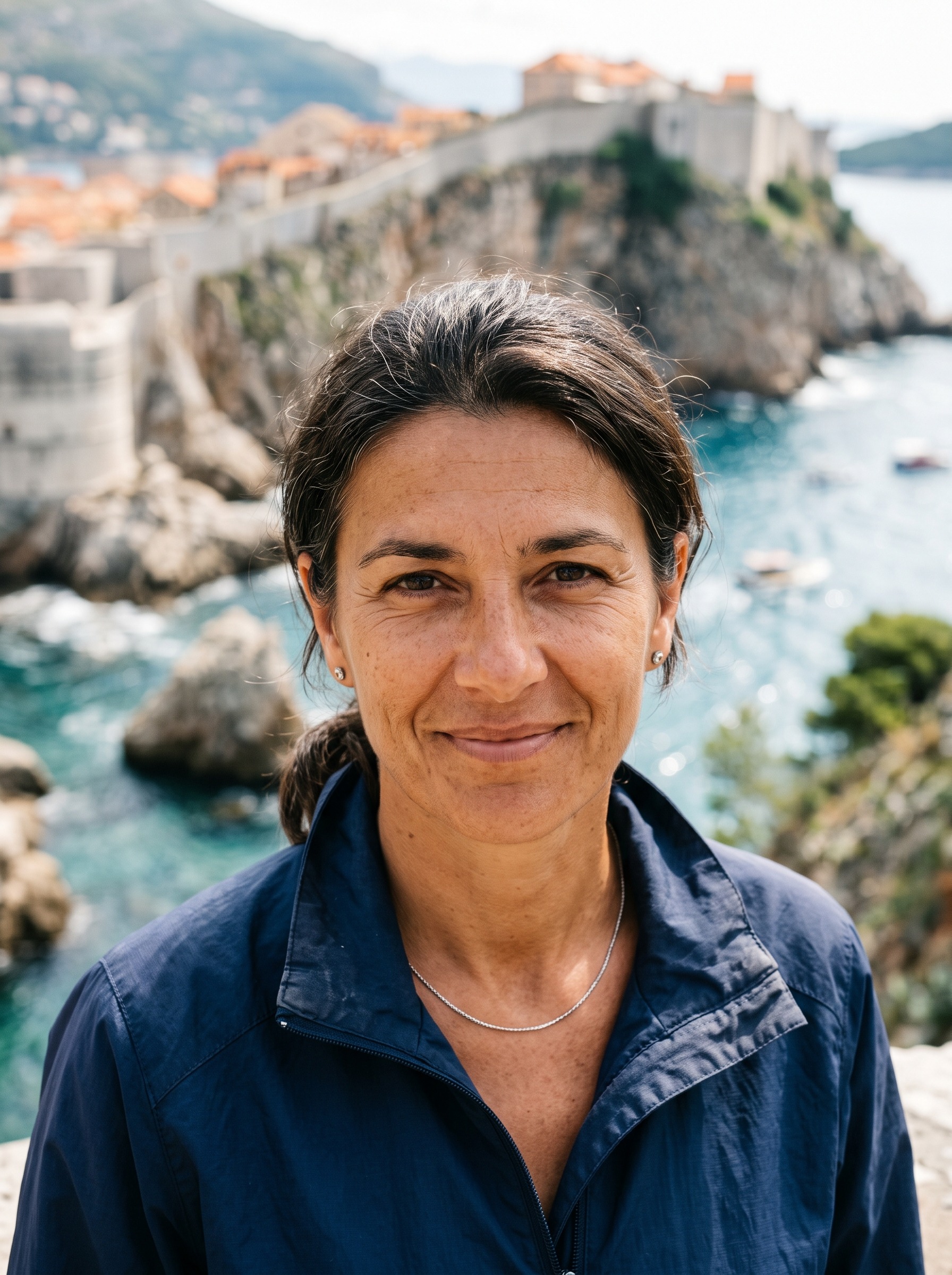

Step out through the Ploče Gate and the city changes its tone almost at once: the crowds thin, the stone bridge carries you past Revelin Fortress, and Frana Supila begins its long, elegant drop toward the sea. On one side are cypress and oleander, on the other the Adriatic doing what it does best — looking impossibly blue and making everyone else’s property feel underdressed. This is Ploče, Dubrovnik’s quiet luxury address, close enough to the Stradun to make you feel smug, far enough away to let you sleep.
What Ploče is known for
Ploče is the eastern shoulder of Dubrovnik that people with a taste for views, and a tolerance for hills, quietly prefer. It begins at the Old Town’s front door and falls toward two of the city’s best beaches, with the coast road and its stately hotels acting like a polished ribbon between the walls and the water. The neighbourhood’s first landmark is the Ploče Gate, reached over a wooden drawbridge and a graceful double-arched stone bridge guarded by the freestanding Revelin Fortress; above the inner arch, Saint Blaise holds a model of Dubrovnik in relief, as if to remind you who is in charge here.

Cross that bridge and the city opens eastward into a calmer register. The road ahead, Ulica Frana Supila, is the neighbourhood’s spine: a steep, leafy descent lined with early-twentieth-century villas and five-star hotels that all seem to have negotiated the same deal with the view — they keep their backs to the road and face the sea, the walls, and Lokrum. This is not the Dubrovnik of souvenir bottlenecks and shoulder-to-shoulder shuffling. It is more restrained, more residential, and, frankly, better for one’s nerves.
The second thing Ploče is known for is its beaches. Banje Beach sits just below the gate, the city’s most famous swimming spot, with the walls rising behind it like a stage set that has somehow escaped the theatre. Further east, Sveti Jakov is the quieter, more local alternative, reached by a longer walk down the coast and then a serious descent. Between them lie the serious hotels, the museum, the creative complex of Lazareti, and enough sea views to make even a jaded traveller pause and pretend not to be impressed.
Where to eat & drink
Dining in Ploče is largely a matter of where you are sleeping, which is either a sensible use of geography or a sign that the neighbourhood knows exactly who it is for. The flagship is Sensus Fine Dining Restaurant at the Hotel Excelsior on Frana Supila 12, a glassy room looking out over the sea and the walls, where local Dalmatian produce is turned into contemporary plates with the kind of confidence that comes from knowing the view will do half the work. It is the sort of restaurant where the room is as carefully composed as the menu, and both are meant to make you slow down.
A little lower and a little more seasonal, Prora opens in high summer directly on the shore at the Excelsior, with Lokrum framed beyond the terrace. The setting is the point here, but the fish-forward Mediterranean cooking gives it enough substance to justify lingering. If you want to eat with your shoes almost in the Adriatic and the Old Town doing its postcard thing across the water, this is the one.

Down the coast at Villa Dubrovnik, Restaurant Pjerin is the neighbourhood’s gastronomic high point, and not in a lazy, overlit way. Chef Robert Račić builds tasting menus — Serenata and Maestoso — around the day’s Adriatic catch, and the terrace hangs over the old harbour approach with that calm, expensive assurance that says the evening will be taken care of. If you want a meal that feels tied to the sea rather than merely adjacent to it, this is where Ploče earns its reputation.
For something with a softer, more playful mood, Victoria Restaurant & Lounge Bar at Villa Orsula sits in a vine-shaded garden terrace and serves Peruvian-Mediterranean plates with the golden rooftops rising across the water. It has the sort of setting that makes even a late lunch feel faintly cinematic, though the real trick is that it remains composed enough not to embarrass itself.
And then there is Banje Beach Restaurant, Lounge & Club, which does double and triple duty on the sand below the walls: Mediterranean and Dalmatian cooking, black risotto, seafood linguine, and a view that has probably sold more lunches than any review ever could. It is not cheap, and in peak season service can wobble a bit — the Adriatic has many charms, punctuality is not one of them — but the setting rarely disappoints.
Going out
Ploče is not where you come for a pub crawl, unless your idea of a crawl involves one excellent cocktail, a very good view, and a refusal to be seen hurrying. The most reliable starting point is the Abakus Piano Bar at the Hotel Excelsior, open year-round and lively with live music and resident DJs on summer nights. Its terrace is one of Dubrovnik’s finest sea-view perches, the kind of place where a sunset drink feels less like an indulgence than a practical response to geography.

Villa Dubrovnik and Villa Orsula both run rooftop and lounge bars in the same idiom: quiet, expensive, spectacular. Nobody in Ploče is pretending otherwise. The point is not volume; it is the combination of low conversation, polished glassware, and the city lighting up across the water.
The scene gets younger and louder at Banje Beach, where the EastWest Beach Club runs sundowners into late-night music through the season. By day it is loungers and cocktails; by night it starts to tilt toward the sort of energy that makes you grateful your bed is uphill and out of earshot. For actual clubbing, walk back toward the gate and into Club Lazareti, where DJ nights and live acts take place inside the stone arches of the 17th-century quarantine complex. It is the closest thing this side of the Old Town has to a proper dance floor, which is to say: enough to matter, not enough to ruin your morning.
Things to do / what to see
Ploče is small, but it is not empty. Its cultural anchor is the Museum of Modern Art Dubrovnik (MOMAD) at Frana Supila 23, housed in the 1930s Banac Villa. The collection runs to some 3,000 works across nine galleries and a garden terrace, with Croatian masters at its core — including Vlaho Bukovac, after whom the neighbourhood’s other main street is named. It is one of the city’s most underrated stops, partly because people are too busy racing between gates and beaches to notice it, and partly because a cool museum on a hot afternoon is one of civilisation’s better ideas.

Next door in spirit, if not always in mood, is Lazareti, Europe’s oldest surviving quarantine station, a long stone complex of ten parallel naves and five courtyards completed in 1647. Today it is Dubrovnik’s creative hub, with exhibitions and concerts in the western halls, the contemporary Otok gallery run by Art Workshop Lazareti, and summer evenings shaped by the Linđo folklore ensemble performing traditional Dalmatian dance. The courtyards also host the DEŠA association’s free Art & Craft Festival, where weaving and embroidery workshops bring a little domestic skill into a place that once kept strangers at a careful distance.

Beyond the institutions, Ploče is also a launchpad. It sits on the Old Harbour side of the walls, so ferries to Lokrum island are minutes away on foot, and the historic gate is equally close. That means you can spend the morning in a museum, the afternoon in the sea, and the evening back at a terrace with no heroic logistics required. In Dubrovnik, that counts as a luxury of its own.
{{ATTRACTIONS}}
Shopping
Let’s be honest: Ploče is not a shopping neighbourhood, and pretending otherwise would be the sort of fib that leads people into bad shoes and worse expectations. It is residential and hotel-heavy, without the boutique lanes of the Old Town or the produce market of Gruž. What exists is small and functional: hotel boutiques inside the Excelsior and Villa Dubrovnik, a convenience store or two along Frana Supila for beach snacks and sunscreen, and the seasonal craft stalls that appear in the Lazareti courtyards during festivals like DEŠA’s Art & Craft weekend, where local women sell handwoven textiles and embroidery.
If you need more than that — souvenirs, olive oil, Croatian wine, market produce — walk back through the Ploče Gate to the Old Town and the Gundulić Square morning market. Ploče is for carrying your purchases back uphill, not for collecting them in the first place.
Where to stay in Ploče
This is Dubrovnik’s most concentrated luxury cluster, and the addresses matter because in Ploče, location is half the price of admission. Close to the gate on Frana Supila 12, Hotel Excelsior has held court since 1913 in the former Villa Odak, with pools, spa, a private rocky beach and the full walls-and-Lokrum panorama. It is the grande dame of the slope, and it knows it. A minute along, Grand Villa Argentina at No. 14 and its more intimate 1930s sister Villa Orsula share a cliffside garden and a private beach, which is a neat way of saying they have the same remarkable outlook and slightly different personalities.
Further east on Vlaha Bukovca, Villa Dubrovnik at No. 6 is the sleekest of the set, with a complimentary boat shuttle that carries guests to the Old Harbour in five minutes. If you like arriving by boat and pretending this is normal, it is hard to argue with the logic. Just outside the Ploče Gate itself, the Hilton Imperial offers a slightly more accessible five-star option on flatter ground, which is useful if you love the neighbourhood but not the idea of climbing it every day.
The trade-offs are consistent: superb views and calm, but steep walks, premium prices and limited parking. This is not the part of Dubrovnik for bargain hunters or anyone who thinks hills are a conspiracy. Pick a room on the sea side; the whole point of Ploče is that view.
{{HOTELS}}
Getting around
Ploče is a walking neighbourhood first, and a leg-burning one at that. From the Ploče Gate it is about 10 minutes on foot along the Stradun to the far side of the Old Town, and roughly 5 minutes down to Banje Beach. Sveti Jakov is around a 20-minute walk east along Frana Supila and Vlaha Bukovca, past the hotels, then about 160 steps down the cliff behind the Sveti Jakov church. That last bit is where the neighbourhood reminds you that the sea views were never meant to come free.
For anything further out, Libertas city buses stop near the Ploče Gate and along the coast road, with useful lines to Pile, Gruž port and bus station, and Lapad. Buy multi-ride tickets from a newsstand rather than the driver if you enjoy saving money in a city where it tends to leak away quickly. Dubrovnik Airport is about a 35–45 minute drive south, and the airport shuttle bus and taxis both serve the gate. Several hotels also run their own shuttles into town, and Villa Dubrovnik’s little boat is the most enjoyable way to arrive at the Old Harbour. In Ploče, transport is mostly about deciding whether you want the practical option or the one with a better story.
FAQs
Is Ploče a good area to stay in Dubrovnik?
Yes, if your budget stretches to it. Ploče gives you five-star sea-view hotels with private beaches, calm leafy surroundings, and the Old Town about 10 minutes away through the Ploče Gate. The trade-offs are price and hills, so it suits couples and beach-first travellers more than budget or mobility-limited visitors.
How far is Ploče from Dubrovnik’s Old Town?
Ploče begins right at the Old Town’s eastern edge. The Ploče Gate is the neighbourhood’s front door, and it’s about a 10-minute stroll along the Stradun to the western Pile Gate. Banje Beach is only about 5 minutes’ walk below the gate.
What’s the difference between Banje Beach and Sveti Jakov in Ploče?
Banje is the famous city beach directly below the Ploče Gate — lively, with the EastWest Beach Club, pricey sunbeds and a free public strip at the eastern end. Sveti Jakov is a quieter, more local beach about a 20-minute walk east and roughly 160 steps down a cliff, with the same views and a more laid-back feel.
What is Ploče best for?
Ploče is best for sea-view luxury stays, beach days at Banje and Sveti Jakov, and quiet proximity to the Old Town. It’s also a smart base for the Museum of Modern Art Dubrovnik and Lazareti.