Granada guide
Centro / El Sagrario, Granada: the flat, busy core where the city starts to make sense
A walkable, history-stacked centre where the Cathedral, Royal Chapel, Alcaicería and tapas streets sit within a few unhurried blocks.
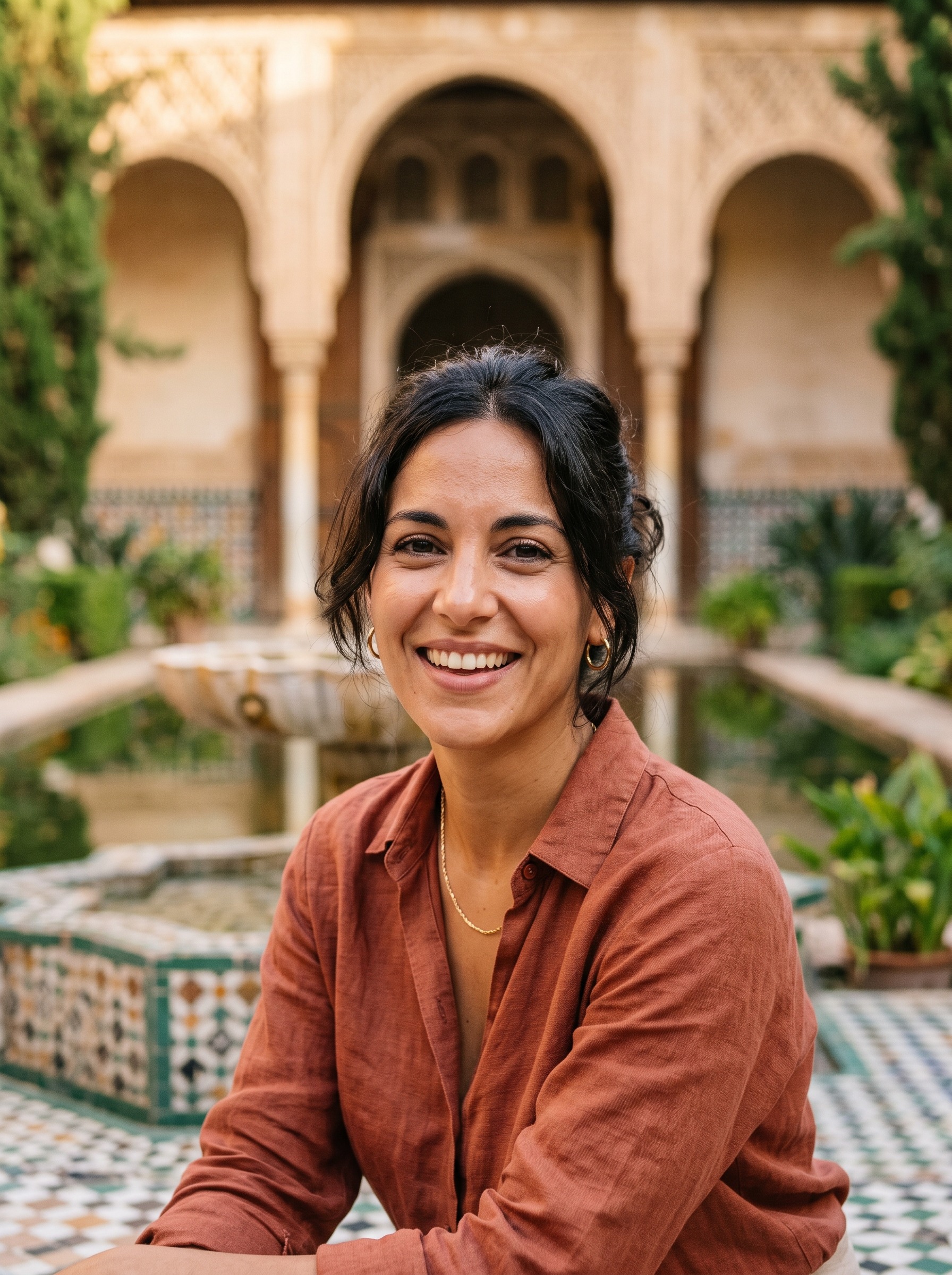

Granada’s centre does not introduce itself politely. It starts with the white bulk of the Cathedral, the Royal Chapel tucked beside it, and the old market lanes breathing around their feet. Stand on Plaza Bib-Rambla in the afternoon and you can feel the barrio doing what it has always done: church bells, shopping bags, coffee cups, the Alhambra minibus grinding uphill from Plaza Nueva, and a bar somewhere nearby already three-deep at the counter. This is Centro / El Sagrario — flat, busy, useful, and a little shameless about being all things at once.
What Centro / El Sagrario is known for
This is the part of Granada that grew straight over the conquered medina, and the old city is still there if you know how to look. The Cathedral of the Incarnation rises on the footprint of the Great Mosque, and the Royal Chapel sits hard against it, as if the Catholic Monarchs wanted their tombs to keep an eye on the whole operation. That is the story here: one layer laid over another, never quite erasing the one beneath.
The Cathedral itself is not a shy building. Diego de Siloé began it in 1523, and what he left Granada is a whitewashed Renaissance interior with enough lift in it to make you shut up for a moment and look up. It took until 1704 to finish, which tells you everything about Spanish cathedrals and patience. Beside it, on Calle Oficios, the Royal Chapel keeps the late-Gothic monument of Ferdinand and Isabella, with Joanna and Philip the Handsome beside them, and a sacristy-museum that still holds Isabella’s crown and sceptre, Ferdinand’s sword, and Flemish paintings including a Dieric Bouts triptych. The room has the calm of power that has already happened. No need to perform now.

A block downhill, the Alcaicería shrinks the old silk bazaar into a Neo-Moorish warren of souvenir lanes. It burned in 1843, in a match-factory fire, and what survives now is a reconstruction on a fraction of the original footprint. Touristy? Obviously. But the bones of the old medina still show through the arches and the tight turns, especially if you let yourself drift rather than shop. A block away, the Corral del Carbón is the quieter marvel, the only surviving Nasrid caravanserai in Spain, its horseshoe portal opening into a galleried courtyard. It is one of those Granada places that feels almost rude to the day-tripper circuit because it is so plainly there, and so many people walk straight past it.

Between the monuments sit the squares that let the barrio breathe. Plaza Bib-Rambla still carries a trace of its old life as the “square of the flowers,” and Plaza Nueva is the hinge between Centro and the old town, with the Real Chancillería and Santa Ana keeping watch over the square. One is for coffee and people-watching; the other is for movement, the point where Granada starts sending you uphill or outward. This is a centre that works because it is not precious about itself. It is practical first, historic second, and loud whenever the bars decide to be.
Where to eat & drink
Centro is free-tapas country, and if you are new to Granada, this is the neighbourhood where the custom makes immediate sense. Order a caña — the small draught beer, not the heroic one — and a plate of food arrives free with it. Order another drink, and another tapa follows. Enough rounds and dinner has happened without anyone making a speech about it. The trick is to keep moving, and the streets for that are Calle Navas and Calle Elvira.
Calle Navas is the classic crawl off Plaza del Carmen, and Bar Los Diamantes is the place everyone names first. It has been frying fish here since 1942, and it still runs on the beautiful chaos of a standing-room-only bar. This is pescaíto frito territory — fried fish and seafood tapas in a city that sits inland and yet somehow knows how to treat the sea properly. The room is hectic, the counter is busy, and the point is to eat quickly and loudly enough to keep up.

On Calle Elvira, Bodegas Castañeda is the old postcard tavern, on Calle de Almireceros since 1953, with hams swinging from the ceiling and the house calicasas mix of sweet wines and vermouth doing the work of a local handshake. It is the sort of place tourists photograph before they understand it, and locals use without ceremony. There are boards of jamón and cheese, yes, but what lingers is the room itself — warm, crowded, and slightly theatrical in the way only an old tavern can get away with.
For a more settled meal, Cunini in Plaza de la Pescadería, behind the Cathedral, has long been Granada’s seafood benchmark. At the bar, the seafood tapas come free; at the back, the white tablecloths turn it into a proper marisquería. That dual personality suits the barrio. Centro likes to give you both the quick fix and the sit-down version, sometimes in the same building.
On and around Plaza Bib-Rambla, La Telefónica does a dependable terrace lunch with salmon tartare and breaded artichokes, the kind of menu that looks modest until you realise how useful it is on a warm day when you want to sit outside and not think too hard. La Cueva de 1900, with branches on Reyes Católicos and Bib-Rambla, is where you go for Granada cured meats and embutidos, and for food that travels well if you are the sort who likes to turn a meal into later.
For churros, the argument is between Café Fútbol on Plaza Mariana Pineda, open since 1903, and the belle-époque Gran Café Bib-Rambla on the square itself. Both serve chocolate thick enough to stand a spoon in, which is the only serious metric that matters.
Going out
Nightlife here is not about clubs and velvet ropes. It is about tapeo into the small hours, a slow drift from one bar to the next, and the pleasure of never needing a taxi because the whole evening stays within the barrio. Calle Navas and Calle Elvira are the twin arteries. From about 9pm, the counters run three-deep, the tables spill into the pedestrianised lanes, and the city settles into that unhurried Granada rhythm where one drink becomes two, then three, then a late decision about churros.
Plaza Nueva and the little squares off it stay busy late, which makes them useful for a nightcap before the walk home. That is the thing about Centro: it does not force a choice between dinner and a wander and a final drink. It lets you keep all three, provided you can keep your shoes on.
The other classic evening here is flamenco, and Tablao Flamenco La Alboreá, on Calle Pan just off Plaza Nueva, is the centre’s most convenient serious show. It runs intimate, roughly hour-long performances in a room of about 50 seats, without microphones, and many of the dancers come from Sacromonte flamenco dynasties. Book ahead. The room is small and it sells out, which is as it should be. Flamenco should not be easy to catch by accident. You should have to want it.

If you want a late sweet stop after the bars, Café Fútbol stays open past midnight most nights. Granada has a way of making churros feel like the correct ending rather than the guilty one. I respect that.
Things to do / what to see
Start with the monumental pair. Buy the combined ticket for the Cathedral and the Royal Chapel, and give yourself at least an hour or two, more if you like looking at funerary grandeur without rushing. The Chapel in particular deserves time. It closes over the long Spanish lunch, so mornings or late afternoon are the safer bets. That is useful knowledge, not a suggestion. Granada will happily let you stand outside a locked door if you arrive at the wrong hour.
Then move into the old lanes. The Alcaicería and the Zacatín streets are where the medina atmosphere survives in fragments: narrow passages, arched turns, souvenir shops, and the feeling that the city has folded itself inward. It is not the original bazaar, of course; that burned. But reconstruction is part of Granada’s history too, and the place still carries the memory of trade.
The Corral del Carbón is the one you should not hurry through. It is free to enter the courtyard, and it gives you a genuine slice of Nasrid Granada most day-trippers miss. Stand beneath the portal and let the scale of the thing settle. This is not a decorative relic. It was a merchants’ inn. It had a job.

Plaza Bib-Rambla is where you sit with a coffee and watch the city pass. Plaza Nueva is where you feel the city lean into motion, with Santa Ana and the Real Chancillería facing the square and the Alhambra minibus stop close by. If you want to do Granada properly, keep returning to Plaza Nueva. It is the hinge, the place from which the rest of the city starts to make sense.
For a very Granada wind-down, Hammam Al Ándalus on Calle Santa Ana runs candlelit warm, hot and cold pools on the site of a genuine 13th-century bath-house. Reserve ahead online. It is steps from Plaza Nueva, which means you can move from church bells and courthouse stone to steam and silence without ever leaving the centre. That is a very tidy piece of urban magic.
{{ATTRACTIONS}}
Shopping & markets
Centro is Granada’s shopping core, and it splits cleanly between the tourist-craft lanes and the everyday high street. The Alcaicería and Calle Zacatín are wall to wall with the classic Granada souvenirs: taracea marquetry boxes, Fajalauza ceramics, lamps, leather, and the flat tins of pomegranate-and-fruit sweets. It is atmospheric, yes, but it is also firmly aimed at visitors, so browse with your eyes open and your wallet guarded. No shame in that. A souvenir lane is a souvenir lane.
For the real local shopping run, walk Calle Mesones and Calle Reyes Católicos. They are pedestrianised, lined with Spanish high-street chains, shoe shops and pastelerías, and they funnel you toward Puerta Real and the Gran Vía end of town. This is the working centre, not the postcard one. People come here to buy things they need, which is often more revealing than buying things they do not.
Plaza Bib-Rambla still keeps flower kiosks, and in the run-up to Christmas it hosts a nativity-scene belén market. That old square has not entirely forgotten its name. If you need food to take home, the tapas bars do double duty as delis: a leg of jamón or a bottle from Bodegas Castañeda or La Cueva de 1900 will travel well enough to make the suitcase smell like Granada for a week.
Where to stay in Centro / El Sagrario
For a first trip to Granada, this is the sensible base. Flat. Central. Walkable to almost everything. You can get from the bed to the Cathedral, the Royal Chapel, the shopping streets and the tapas crawl without ever hailing a taxi, and the Alhambra minibus leaves from Plaza Nueva when your legs have had enough. That practicality is the whole point. Centro is not trying to seduce you with views from the room. It is trying to make the city easy.
The trade-off is noise. Rooms directly over Calle Navas, Calle Elvira or Plaza Nueva will hear the tapeo late into the night, especially from Thursday to Saturday, and Granada is not apologetic about this. If you are a light sleeper, ask for a room off the main drag or facing a courtyard. The quietest pockets sit between the Cathedral and the Gran Vía, and around Plaza Mariana Pineda toward Puerta Real. The liveliest are on the Navas–Elvira axis. Choose accordingly and do not act surprised later.
Wherever you land, you are close to the train and bus links, and close enough to the centre that the city stops feeling like logistics and starts feeling like a walk.
{{HOTELS}}
Getting around
Centro is flat and compact, and that matters more than people admit. You can cross it on foot in ten to fifteen minutes, and walking is the only sensible way to move between the Cathedral, Bib-Rambla, the tapas streets and Plaza Nueva. This is not a barrio that rewards overthinking transport. Put on shoes and go.
The neighbourhood is also the city’s transit hub. The metro Line 1 stops at Alcázar Genil and Recogidas just to the south, useful for the train station and the newer districts, while city buses fan out along Gran Vía and Reyes Católicos. If you are heading for the Alhambra, do not drive. Walk up in 15–20 minutes via the Cuesta de Gomérez, or take the little red C30 minibus from Plaza Nueva, which climbs directly to the entrance. The C32 takes the scenic route through the Albayzín and Sacromonte if you want the long way with better views.
The Albayzín and Sacromonte are an easy walk or a C31/C32 from Plaza Nueva, which is why Centro works so well as a base. You can do the monumental city, the old Moorish quarters, the hilltop miradors, and still come back to level ground and a bar with a free tapa. That is a fair arrangement.
The train station is about a 25-minute walk or a short bus or taxi west, and Granada Airport is around 20 minutes by taxi, or by the airport bus that stops on Gran Vía and by the Cathedral. In other words: this barrio is where Granada starts and where it comes back to meet you.
FAQs
Is Centro / El Sagrario a good area to stay in Granada?
Yes — it is the best all-round base for a first visit. You are within a five-minute walk of the Cathedral, the Royal Chapel, the shopping streets and the tapas crawl, the ground is flat, and the Alhambra minibus leaves from Plaza Nueva. The trade-off is noise: rooms over Calle Navas, Calle Elvira or Plaza Nueva can hear the late-night tapeo, so light sleepers should ask for a quieter, courtyard-facing room.
How does the free-tapas tradition work in central Granada?
Order a drink and a free tapa arrives with it — one plate per drink, usually the bar’s choice, and a different dish with each round, so two or three cañas make a light dinner at no extra cost. Ordering a caña rather than a large beer is the local trick, since the tapa is the same size either way. Calle Navas and Calle Elvira are the classic crawl streets, best from about 8:30–9pm.
How do I get to the Alhambra from Centro?
It is a 15–20 minute uphill walk from Plaza Nueva via the Cuesta de Gomérez, or you can take the small red C30 minibus from Plaza Nueva, which climbs straight to the entrance. The C32 takes a longer scenic route through the Albayzín. Buy your Alhambra ticket online well in advance, because the Nasrid Palaces sell out and entry is timed.
What are the must-see sights in Centro / El Sagrario?
The Cathedral, the Royal Chapel, the Alcaicería, the Corral del Carbón and Plaza Nueva are the core stops. If you have time, add Plaza Bib-Rambla and Hammam Al Ándalus for a slower finish.