A locally-written guide — where to stay, what to eat, and what not to miss.
The Havana guide
An insider’s read on Havana
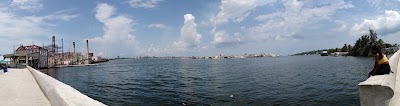
The air smells of salt spray from the Malecón, unrefined diesel from mid-century American sedans, and the sweet, heavy scent of tropical decay.
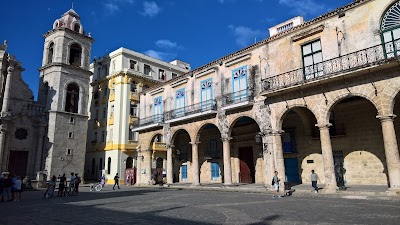
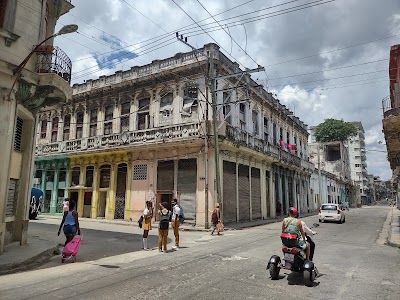
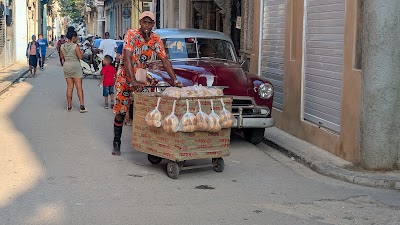
Havana is a city defined by its friction. The air smells of salt spray from the Malecón, unrefined diesel from mid-century American sedans, and the sweet, heavy scent of tropical decay. It is a place where grand Spanish colonial plazas sit adjacent to collapsed apartment blocks, and where world-class musicians play in dimly lit living rooms. To understand this city, you must accept that nothing works quite as it should, yet everything is resolved through sheer human resourcefulness.
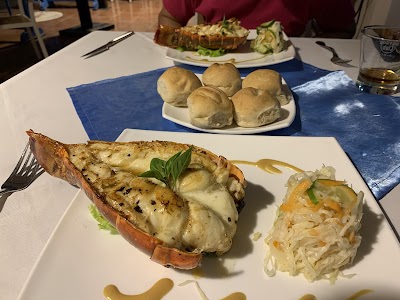
The travel landscape has shifted dramatically from state-run monotony to a dynamic private sector. Private restaurants, known as paladares, serve inventive dishes that bypass state supply chains, while historic homes have been converted into stylish boutique guesthouses. This is not a destination for those who demand seamless logistics; it is a city that demands your full attention, rewarding patience with an intense, unfiltered cultural vitality.
Visiting Havana requires leaving behind conventional travel expectations. There are no massive shopping malls or predictable tourist corridors. Instead, the city offers a raw, highly social street life where front doors are left open, music is a constant background hum, and conversations with strangers are the primary currency.
Guides & ideas
The Havana reading list
Hand-written guides from our editors — itineraries, the best of after dark, where to eat, and what’s genuinely worth your time.
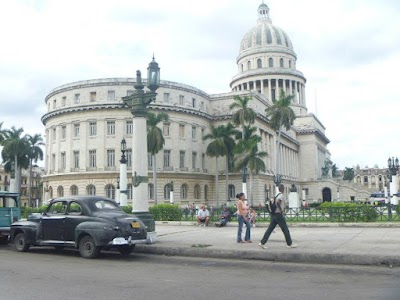
Riding in a meticulously maintained 1950s open-top Chevrolet or Ford allows you to take in the sea spray and historic architecture of the seawall at sunset.
via Google
Afro-Cuban Religion Walking Tour
Centro HabanaHalf day★★★★★★★★★★4.6(31)
A guided walk through Centro Habana, focusing on the history of Santería, visiting Callejón de Hamel, and learning about the orishas (deities).
via Google
Cigar and Rum Tasting Masterclass
Habana Vieja2 hours
A structured pairing session led by a professional sommelier to understand the history, production, and flavor profiles of premium Cuban cigars and aged rums.
Beyond the city
Day trips
Viñales Valley
★★★★★★★★★★4.8(594)
A dramatic landscape of limestone karst hills (mogotes), traditional tobacco plantations, and underground caves.
Getting thereA 2.5-hour drive west of Havana, best arranged via a private taxi for the day.
via Google
Las Terrazas
A pioneering eco-village and biosphere reserve featuring ruins of 19th-century coffee plantations, natural pools, and ziplining.
Getting thereA 1-hour drive west of Havana along the autopista.
Playas del Este
★★★★★★★★★★4.6(446)
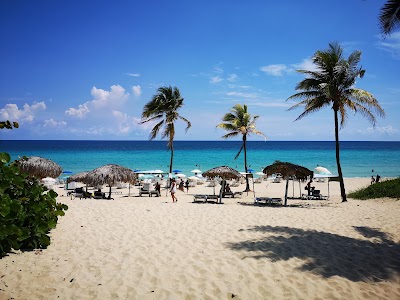
A chain of white-sand beaches, particularly Santa María del Mar, where locals go to escape the city heat.
Getting thereA 20-minute ride east of the city via the T3 tourist bus or a local taxi.
via Google
What it costs
Budgeting
Cuba operates on a highly cash-dependent economy with a complex currency situation. It is essential to bring plenty of physical cash (Euros or US Dollars) to exchange on the informal market, as foreign credit cards are rarely accepted and subject to unfavorable official rates.
Travel style
Per day
Backpacker
€40-60
Mid-range
€100-180
Luxury
€300+
Timing
When to visit
The dry winter months offer the most comfortable climate for exploring Havana on foot, while the summer brings intense heat and tropical downpours.
Winter (December to February)Warm days, cool evenings, and minimal rainfall. This is peak tourist season, meaning higher accommodation rates and crowded historic plazas.
Spring (March to May)An ideal shoulder season. The humidity is manageable, temperatures are warm, and the winter crowds have thinned out.
Summer (June to August)Extremely hot and humid. This period coincides with domestic holidays and afternoon thunderstorms, making midday exploration exhausting.
Autumn (September to November)The height of the Caribbean hurricane season. While prices are at their lowest, there is a persistent risk of tropical storms and heavy rain.
José Martí International Airport is located about 15 miles from the city center. There are no reliable public transit links for tourists; a private taxi is the only practical option. Agree on a flat rate with the driver before getting in, typically paid in foreign currency.
Public transit
Local buses, known as guaguas, are severely overcrowded and difficult for visitors to navigate. Shared fixed-route taxis, called almendrones, are vintage American cars that run along main avenues, but they require a solid understanding of local geography and payment in local currency.
Passes & tickets
There are no tourist transit or museum passes available in Havana; all transport and entry fees must be paid individually.
On foot
Habana Vieja is highly compact and entirely walkable, with many pedestrianized streets. However, traversing between neighborhoods like Vedado, Centro Habana, and Miramar requires motorized transport due to the distances and broken sidewalks.
1
Download offline navigation maps like Maps.me or Organic Maps before arrival, as mobile data can be unreliable.
2
Always negotiate taxi fares before starting your journey, as meters are rarely used.
3
Keep a stash of small-denomination cash bills for taxi rides, as drivers rarely have change for large notes.
Travel smart
Safety & etiquette
Havana is generally very safe regarding violent crime, but petty theft, bag snatching, and street scams (jineterismo) are common. Be wary of overly friendly locals offering to take you to a 'cigar festival' or a 'special bar' — these are always commission-based scams.
Local etiquette
Always tip service staff; 10% is standard in restaurants and highly appreciated due to low local wages.
Avoid discussing sensitive political topics unless a local brings it up first.
Be mindful of resource scarcity; do not waste water or leave air conditioning running when out of your room.
From the ground
Practical tips
1
Download offline navigation apps like Maps.me or Organic Maps before landing.
2
Bring your own toiletries, over-the-counter medications, and sunscreen, as these are incredibly difficult to find locally.
3
Always negotiate taxi fares before stepping into the vehicle.
4
Keep small denomination bills (Euros, USD, or CUP) handy for tipping and small purchases.
5
Book your casas particulares in advance via platforms like Airbnb to secure reliable lodging.
6
Don't fall for the 'today is the last day of the cigar cooperative discount' scam.
Book direct
Book a hotel in Havana
Loading live availability and real-time prices…
Good to know
Havana FAQs
What currency should I bring to Havana?
Bring physical Euros or US Dollars. The official exchange rate is poor, so tourists exchange cash on the informal market (check current rates online via El Toque). Credit cards are rarely accepted and run on the official rate.
Do I need a tourist card/visa to enter?
Yes, most nationalities require a Tourist Card (Tarjeta de Turista), which can be purchased from your airline or Cuban consulate before travel. US citizens have specific travel categories (e.g., 'Support for the Cuban People').
How do I get internet access in Havana?
Buy an ETECSA SIM card (Cubacel Tur) online before arriving or purchase NAUTA scratch cards to access public Wi-Fi zones in parks and hotel lobbies.
Is it safe to drink tap water?
No, always drink bottled water. Ensure the seal is intact, or use water purification tablets/filters.
Can I use my US credit card?
No, US-issued credit and debit cards do not work in Cuba due to the embargo. Bring all the cash you will need for your entire trip.