Jakarta guide
Kemang, Jakarta: the modern kampong that eats late
Jakarta’s old expat quarter still feels like a village with better coffee, where curry pubs, galleries and parrilla grills line a walkable strip that comes alive after dark.
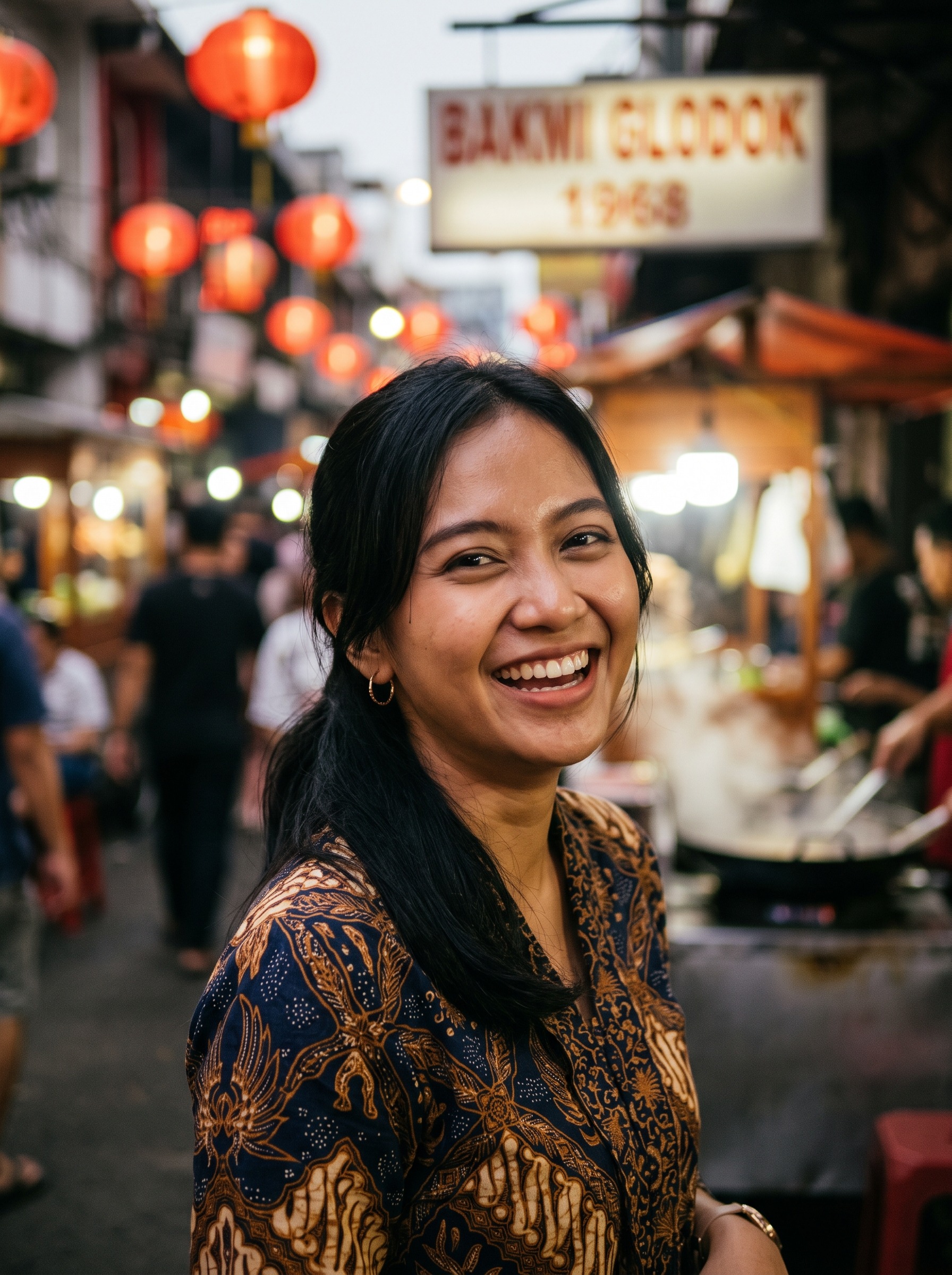

Kemang is the pocket of South Jakarta where the megacity briefly stops shouting. On Jalan Kemang Raya, the trees stay tall, the buildings stay low, and the old kampung grain still shows through the bars and bakeries that moved in after the 1970s. You can park once, then drift from specialty coffee to a wine bar to a pub garden without ever feeling like you’ve entered the glass-and-steel mood board a few kilometres north. That’s the charm: Kemang never quite became polished enough to lose its manners.
What Kemang is known for
Kemang’s story starts as a green Betawi kampung of mosques and fruit trees, and that origin still matters. The neighbourhood grew into Jakarta’s oldest and most settled expat quarter, long before Senopati and SCBD made nightlife into a status contest. Foreign residents began moving in from the late 1970s, drawn by the lush, low-rise calm, and in 1998 Governor Sutiyoso formalised the place as a “modern kampong.” It is a very Jakarta kind of compromise: village texture, international habits, and just enough planning to keep the whole thing legible.
That history explains why Kemang feels scruffier and more human than the CBD. Walled villas became restaurants. Small mosques still punctuate the streets. Kemang Raya became the spine, the place where the district’s good things cluster within a few hundred metres: a thirty-year-old curry pub, a specialty roaster, a parilla, a Bavarian beer hall, an artspace by Andra Matin, all of it held together by the simple fact that the neighbourhood stayed low-rise. It is one of the rare parts of Jakarta where you can still walk with purpose rather than with a driver.

The crowd reflects that mixed-up history. Long-term foreign residents nurse pints beside South Jakarta twenty-somethings waiting for pastry. Gallery-goers drift between openings. Families turn up for weekend bazaars. The soundtrack is exactly what you’d expect from a neighbourhood that has not yet decided to become a luxury district: acoustic covers leaking from open-fronted bars, Gojek drivers idling, the call to prayer from surviving neighbourhood mosques. Kemang is not trying to impress you with scale. It is trying to keep you here for one more drink.
The catch, because Jakarta always insists on a catch, is traffic and water. Kemang sits low near the Krukut and Pesanggrahan rivers and floods hard in heavy rain. Kemang Raya can clog solid at rush hour. So come for the texture, not the efficiency. This is a neighbourhood for lingering, not for winning a commute.
Where to eat & drink
Kemang eats like an international backstreet with a very good memory. The first move is coffee, because in Kemang coffee is not a beverage so much as a local organising principle. One Fifteenth Coffee on Jl. Kemang Raya 37 is the reliable specialty pick, the kind of place that opens early for flat whites and then keeps going with a proper brunch of acai bowls and egg plates. It is a steady hand on a street where the mood can change from school-run chaos to after-dark pub crawl in the space of an afternoon.

A few turns away, Antipodean in the Hero Kemang Villa complex on Jl. Kemang Selatan I runs the New Zealand-style all-day-breakfast playbook with the sort of confidence only a long-running brunch place can manage. Kemang has always liked imported rituals, but it prefers them relaxed rather than theatrical. That is why these cafes work: they are not trying to be destination temples. They are simply part of the neighbourhood’s daily rhythm.
Then there is KNOTS on Jl. Kemang Timur 46A, from the Union Group people behind Eatlah, which has become the current pastry obsession for good reason. The ribbon-shaped hazelnut viennoiserie is the thing to order first, and the Basque cheesecake has the pleasingly domestic origin story of starting as a home bake for the founder’s in-laws. That kind of detail matters in Kemang. It keeps the food scene from feeling airless. You can taste the neighbourhood’s appetite for imported technique, but there’s usually a family story somewhere in the crumb.

Dinner is where Kemang’s international identity becomes most obvious. El Asador at Kemang Point on Jl. Kemang Raya 3 grills Argentine and Uruguayan cuts over an open parrilla and pours from a 50-plus wine list. It is one of those places that reminds you Kemang was built for people who like to stay out late and eat properly. Die Stube on Kemang Raya does the full Bavarian beer-hall act, with cured pork knuckle, sausages and Weissbier by the litre. No one goes there for subtlety. They go for the kind of sturdy comfort that survives Jakarta traffic.
Warung Turki Shisha Lounge at Jl. Kemang Raya 18A plates kebabs, pide and baklava with shisha to follow, while Queens Head on Jl. Kemang Raya 1 turns out modern pan-Asian cooking and cocktails in a British-pub shell. Vin+ on Jl. Kemang Raya 45 is the long-running wine boutique and restaurant, the place to sit down with a glass and pretend you are being restrained even if you are not. Kemang is very good at giving you options without making you feel guilty for choosing the obvious one.
One note of civic housekeeping: Nusa Indonesian Gastronomy, long a Kemang fine-dining fixture, closed here and relocated to Yogyakarta in 2025. Don’t make a pilgrimage to a dining room that has moved city. Jakarta already has enough ways to waste your evening.
Going out
Kemang nightlife is the un-showy alternative to the CBD’s rooftop cocktail arms race. It feels closer to a pub crawl than a bottle-service expedition, and the low-rise layout makes that possible. You can actually move between venues on foot, which in Jakarta is a small miracle and a large argument.
The anchor, as it has been since 1989, is Eastern Promise on Jl. Kemang Raya 5. It is the definitive Kemang expat pub, and that phrase is not a marketing line but a piece of local history. There is a Front Bar for cold pints, a Sports Bar with two 9ft billiard tables, darts and live football, a restaurant that reportedly shifts more than 5,000 chicken tikka masalas a year, and an alfresco garden that hosts live bands. Eastern Promise is where the neighbourhood’s old and new residents meet without making a fuss about it. It is not glamorous. It is dependable, which is far rarer.

A short walk away, Beer Garden Kemang pours 40-plus local and imported beers and has been voted one of the city’s best beer spots several times over. That reputation is deserved not because it is precious, but because it understands the assignment: give people enough choice, keep the atmosphere loose, and let the night sort itself out. Around these two, the strip fills with mid-sized rooms Kemang does well, including Amigos at Kemang Club Villas, where Tex-Mex, margaritas and Latin and country nights keep the mood easy.
The honest caveat is that Kemang’s bar scene turns over fast. Many venues last only two or three years. That means the fixed points matter more than the floating names. Treat Eastern Promise and Beer Garden as your anchors, then let the rest of the night be a little improvised. That is how Kemang works best anyway. The neighbourhood rewards curiosity, but it does not demand a plan.
Things to do / what to see
Kemang punches above its size on independent art, which is part of why it remains interesting even when you are not hungry or thirsty. Dia.lo.gue on Jl. Kemang Selatan 99A is the cultural heart of the neighbourhood: an Andra Matin-designed artspace founded in 2001 by Engel Tanzil, combining a gallery, a shady cafe and a shop of quirky local-designer goods. It runs everything from design and architecture shows to documentary screenings, and it opens late morning on weekdays, earlier at weekends. That mix of public-facing culture and relaxed hangout energy is very Kemang: serious enough to matter, casual enough that you can still show up for coffee and end up thinking about architecture.

For serious Indonesian painting, Edwin’s Gallery on Jl. Kemang Raya 21 is one of the country’s oldest private galleries, running since 1984. Hadiprana Art Gallery on Jl. Kemang Raya 30 has been dealing in selective contemporary and antique Indonesian work since 1961 and even runs art classes. Between them, they give Kemang an art ecosystem that is older and sturdier than the neighbourhood’s trend cycle. This is not a place where culture arrived as an accessory. It has had time to settle in.
And then there is the simple pleasure of pottering. Kemang is built for low-gear wandering: cafe-hopping the leafy side streets, browsing concept stores, drifting through lifestyle centres, and timing a visit to a weekend bazaar. CASCADE at Lippo Mall Kemang gathers hundreds of local brands and indie vendors when it runs, which makes it one of the easiest ways to catch the neighbourhood’s retail mood in one place. Kemang is not a monument neighbourhood. It is a neighbourhood that asks you to notice the small things and keep moving.
{{ATTRACTIONS}}
Shopping & markets
Kemang’s retail personality is boutique and concept-driven rather than mega-mall, which is exactly why it feels different from so much of Jakarta. La Codefin Kemang on Jl. Kemang I is the trendy mixed-use hub of gyms, cafes and small retail, the sort of place where people seem to have arrived for one errand and stayed for three. Galleries like Dia.lo.gue and KOI double as shops for local-designer goods and homeware, so even the browsing feels folded into the neighbourhood’s creative identity.
If you do want a mall, Lippo Mall Kemang on Jl. Pangeran Antasari 36 is the community-lifestyle option, open since 2012, with a cinema, its open-air Avenue of the Stars, and family facilities. It is also home to CASCADE, the recurring thematic weekend bazaar that pulls in hundreds of local brands and artisan food vendors. That event is worth timing your visit around if you want the indie-retail scene without having to hunt for it one storefront at a time. Kemang also has a habit of hosting pop-up markets in cafes and multi-use venues at weekends, which keeps the shopping scene lively in a way that feels organic rather than programmed.
Where to stay in Kemang
Kemang suits travellers who want a relaxed, residential, walkable base over CBD convenience. If you stay on or just off Jalan Kemang Raya, the bars, galleries and cafes are on your doorstep and you can walk the strip at night. The cost of that convenience is noise and traffic, because the same street that makes the neighbourhood so easy to enjoy also makes it busy.
The quieter villa-lined lanes running off it, around Kemang Selatan and Kemang Timur, feel calmer and greener. That matters if you are planning a longer stay, or if you simply prefer to sleep without the soundtrack of the neighbourhood’s social life. One practical warning worth heeding: because Kemang sits low near the Krukut and Pesanggrahan rivers and floods in heavy rain, wet-season visitors should favour properties on higher ground and ask about flood history. Kemang’s live hotel availability renders directly below.
{{HOTELS}}
The area skews mid-range to upper-mid, with a good spread of four-star hotels and serviced apartments. That fits the neighbourhood’s personality: polished enough to be comfortable, but not so polished that it loses its sense of place. Kemang is for travellers who want to live in the city for a while, not merely pass through it.
Getting around
The single most important thing to know is that Kemang has no MRT station of its own. The Jakarta MRT’s north–south line runs a few kilometres to the west, and the nearest stops around Blok A and Blok M are a good 25-plus-minute walk or a short ride away. In practice, Kemang is a Gojek and Grab neighbourhood. Ride-hailing, whether car or motorbike, is how almost everyone moves.
Within the strip itself, walking beats driving. The compact Kemang Raya cluster is genuinely walkable, and the local trick is to park or get dropped once and stroll between venues. TransJakarta buses and connecting angkot serve the fringes, but they are slower and less intuitive for visitors. Budget generously for traffic, because Kemang Raya gridlocks at rush hour, and a trip to the Thamrin or Sudirman centre that looks short on a map can take 45 minutes to an hour by road. Soekarno-Hatta International Airport is roughly an hour to 90 minutes away depending on traffic, usually via toll road.
That is the trade Kemang offers, and it is a fair one if you like neighbourhood life enough to accept Jakarta on Jakarta’s terms. The place is useful, social, slightly unruly and more walkable than it has any right to be. It was a kampung, then an expat quarter, then a modern kampong, and it still behaves like a district that remembers every version of itself. For eating late, drinking unhurriedly and browsing without a grand plan, that memory is the whole point.
FAQs
Is Kemang a good area to stay in Jakarta?
Yes, if you want a relaxed, walkable, low-rise neighbourhood with a strong bar-and-cafe scene and independent galleries. It’s less ideal if you need to be on the MRT or close to the big monuments, because Kemang has no metro station and relies on Gojek/Grab, with heavy rush-hour traffic on Kemang Raya.
Does Kemang flood?
Yes. Kemang sits low near the Krukut and Pesanggrahan rivers and can flood badly in heavy rain. If you’re visiting in the wet season, it’s smart to choose higher-ground accommodation and ask about the property’s flood history.
What is Kemang known for?
Kemang is South Jakarta’s oldest expat enclave, known for its walkable strip of international restaurants, specialty coffee, viennoiserie and beer halls, plus a lively pub-style nightlife anchored by Eastern Promise and Beer Garden and independent galleries like Dia.lo.gue, Edwin’s Gallery and Hadiprana.
Can you walk around Kemang easily?
Yes, especially along Jalan Kemang Raya and the immediate side streets. It’s one of the more walkable parts of Jakarta, though traffic is heavy and you should still use ride-hailing for longer hops or late-night returns.