Madrid guide
La Latina, Madrid: tapas, tabernas and Sunday rituals in the old barrio
A walk through Madrid’s oldest surviving barrio, where Cava Baja still runs on vermouth, market mornings and the long, unhurried lunch that follows El Rastro.
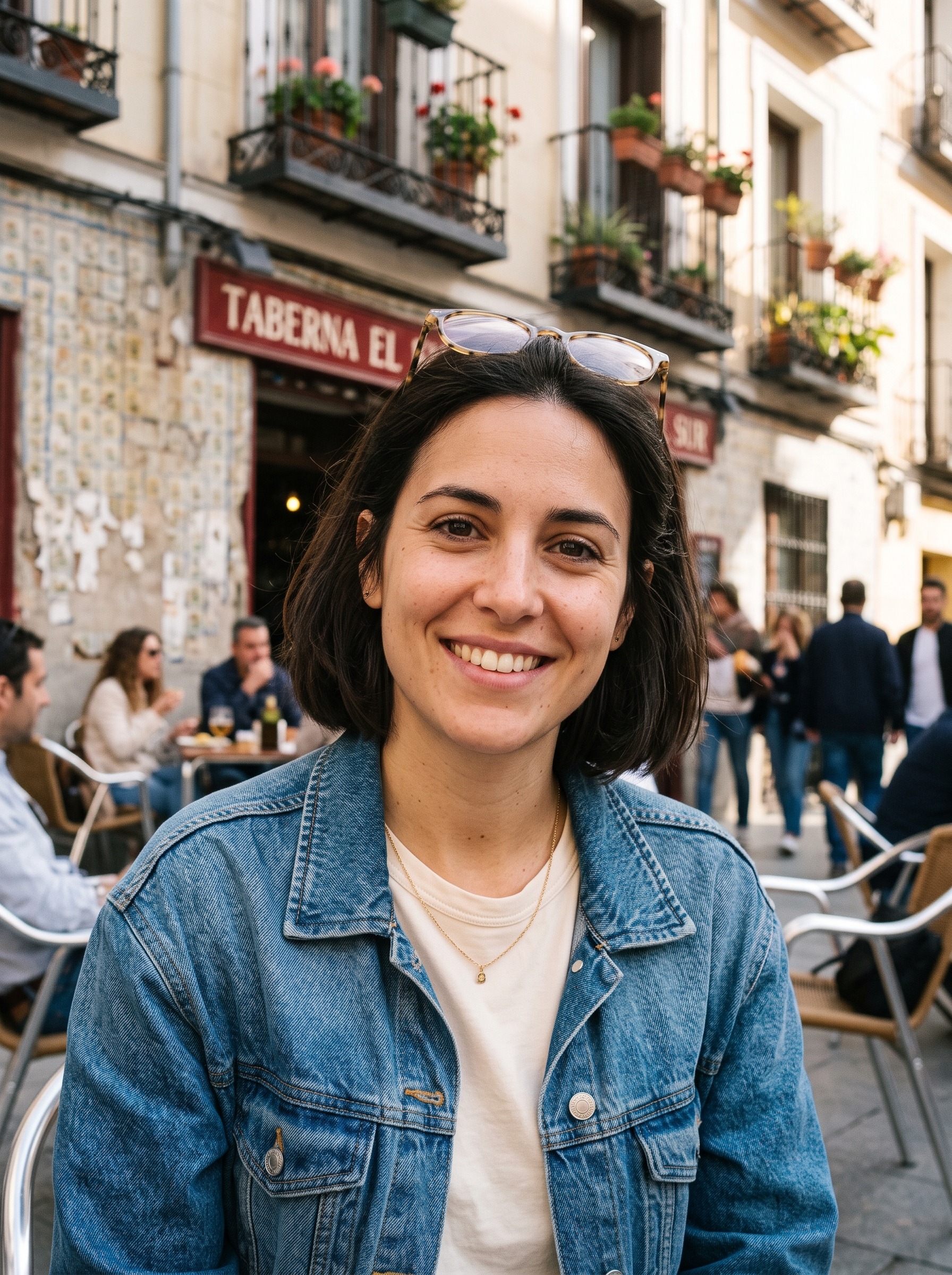 By Carmen Otero

By two o’clock on a Sunday, Calle Cava Baja has the air of a street that has forgotten how to be one. The doorways are full, the marble counters are busy, and people stand with a caña in one hand and something fried in the other, talking over the clatter from inside. This is the version of Madrid that La Latina still protects: old, walkable, a little worn at the edges, and stubbornly committed to the idea that the day should be measured in bars rather than blocks.
What La Latina is known for
La Latina sits on the southwestern shoulder of the old town, a downhill tangle of cobbled lanes that runs from Plaza Mayor toward the river and follows the line of Madrid’s long-gone medieval walls. The old cavas were literal ditches outside those walls, which is why Cava Baja and Cava Alta still read like a map of the vanished city. The barrio takes its name from Beatriz Galindo, the 16th-century scholar known as La Latina, tutor to Queen Isabella. But most people come here for a more edible inheritance: a neighbourhood that still behaves as if tapas were a civic ritual rather than a marketing concept.
Calle Cava Baja is the spine, and it has the density of a place that has never quite accepted modern life. Roughly fifty bars and restaurants squeeze into 300 metres of medieval lane, and the result is not a street so much as a moving queue of small decisions: one vermouth, one plate, then on to the next door. The crowd is mixed in the best old-city way. There are long-time regulars at the same marble counter, families out for the after-church vermouth, and the weekend tide of visitors who have worked out that this is where the good stuff still happens in public.

The neighbourhood’s rhythm changes with the week. On Sunday mornings, El Rastro pours down Calle Ribera de Curtidores from Plaza de Cascorro, and the whole area turns into a market followed by a lunch rush. By late afternoon, the light softens across the tiled facades and the barrio seems to tilt toward its next drink. That is when La Latina makes the most sense: not as a monument to old Madrid, but as a place where the city still eats in the street.
Where to eat & drink
The classic route is not complicated. Start with one drink and one plate, and do not linger too long. La Latina rewards movement. Taberna La Concha at Cava Baja 7 is a good opening note: vermouth served in a martini glass sprayed with gin, plus seared squid, which is exactly the sort of small flourish this street can carry without losing its footing. A few doors on, Casa Lucas at Cava Baja 30 is tiny and always packed, with a serious short wine list and the kind of tostas that make standing at the bar feel entirely correct. Its rabo de toro keeps the mood rooted in Madrid rather than dressed up for visitors.
Further along, Taberna Tempranillo at Cava Baja 38 is for people who like their wine lists to look like a wall of intent. Hundreds of Spanish bottles line the back, and the kitchen sends out duck thighs and grilled salted artichokes. It is one of those places where the bottle selection and the food seem to be in quiet conversation with each other. La Chata at Cava Baja 24 is impossible to miss thanks to its hand-painted tiled facade, and the oxtail and callos inside feel exactly right for a barrio that has never tried to be sleek.

For the dish that has become almost a local emblem, Casa Lucio at Cava Baja 35 is the name everyone reaches for. It has been open since 1974 and is the temple of huevos estrellados, those olive-oil-fried eggs broken over crisp potatoes that have fed kings and film stars and still arrive with the confidence of a place that knows exactly what it is doing. Book ahead. If you want the same broken-egg idea in a slightly looser form, Los Huevos de Lucio nearby does versions with jamón, chorizo or blood sausage.
There are other ways through the street. Lamiak keeps Basque pintxos on cocktail sticks at €3–4 apiece, which is useful if you want to graze rather than commit. La Posada de la Villa offers a more settled meal, with wood-oven roast lamb inside a 17th-century inn, the sort of room that makes time feel heavier in a good way. Off the main drag, Malacatín at Calle Ruda 5 has been serving cocido madrileño since 1895, a three-course chickpea stew that still acts like a proper Madrid lunch. And on Plaza de la Puerta de Moros, Juana La Loca is where locals point you for tortilla de patatas with sweet caramelised onion, around €4.50 a slice.
Going out
La Latina’s nightlife is not about club logic; it is about continuation. Dinner becomes one more glass, and one more glass becomes a late terrace, and then the street itself seems to keep the evening going. The terraces on Plaza de la Cebada stay busy well past midnight on weekends, and El Viajero has been there since 1995, spread across three floors with a rooftop terrace that remains the barrio’s classic sunset-drinks perch. It is the sort of place people head to when they want to see the neighbourhood from above without leaving its orbit.

If the night is going to become louder, the edges of the barrio take over. Marula Café, near Plaza de la Paja, is a small club and live-music room where DJs run funk, soul and international sounds until dawn, with midweek jazz and jam nights. ContraClub on Calle de Bailén 16 brings live bands first — pop, rock, hip-hop and blues — and only later turns into a late club. And at the lower boundary of the neighbourhood, Shôko at Calle Toledo 86 is the big-room option: a 2,000-square-metre, two-floor club playing reggaeton, R&B and commercial hits from midnight until 6am, Wednesday to Sunday, right by Puerta de Toledo metro. Still, the honest truth is that most nights in La Latina never need that final escalation. People simply keep ordering another glass and another plate, which is the local choreography in its purest form.
Things to do
The single most La Latina thing to do is El Rastro, the sprawling Sunday flea market that runs down Calle Ribera de Curtidores and the surrounding lanes from Plaza de Cascorro every Sunday and public holiday morning, roughly 9am to 3pm. Go early if you want the better finds. The top section can feel tourist-tat heavy, but the antique dealers and side-street stalls further down are where the market starts to breathe. There is vintage clothing, vinyl, old prints, antique cameras, ironmongery and a great deal of junk, all of it browsed by a crowd that seems to be half looking and half remembering. Keep your bag close; the crush is real, and so is the appetite for lunch that follows.

After the market, walk downhill to the Basílica de San Francisco el Grande. The neoclassical church carries the largest dome in Spain, and inside are an early Goya, San Bernardino de Siena, plus works by Zurbarán. It is one of those places that reminds you La Latina is not only about eating well; it also keeps a formal, slightly solemn side just below the street noise.
Just uphill sits Plaza de la Paja, the refined, quieter main square of medieval Madrid. It feels different from Cava Baja immediately: more open, less hurried, and better for noticing the old grain of the barrio. Tucked below it is the Jardín del Príncipe de Anglona, a small walled 18th-century garden that appears almost by stealth. Beside the square, Iglesia de San Andrés and the plaza it shares anchor the oldest part of the neighbourhood. For a final pause, head to the Jardines de Las Vistillas on the western edge, a terraced garden looking toward the Sierra where locals gather with a caña at dusk.

{{ATTRACTIONS}}
Shopping & markets
Shopping in La Latina begins and ends, more or less, with the market mood. El Rastro has run here since the 18th century, and the ritual has barely changed: start at Plaza de Cascorro, work downhill through the stalls, and let the side lanes do the rest. The main artery, Calle Ribera de Curtidores, takes its name from the leather trade that once filled these streets — tanners’ riverbank, as literal a street name as Madrid has left us. The stalls are a jumble of vintage clothing, vinyl, old prints, antique cameras, ironmongery and cheap oddities. Bargaining is expected. The good pieces go early. And by early afternoon, the whole thing dissolves into tapas.
Beyond the market, Calle de Toledo keeps the barrio’s everyday castizo trade alive, with espadrilles, shawls, ceramics and religious goods still in the mix. It is also where you find Caramelos Paco at Toledo 55, a century-old sweet shop that feels wonderfully out of step with the rest of the city’s retail habits. The permanent Mercado de la Cebada, on its square since 1875, is a working produce market rather than a polished gourmet hall. Butchers, fishmongers and no-frills bar stalls share the space, and the point is not to browse for lifestyle but to buy, eat and move on.
Where to stay in La Latina
La Latina works best for travellers who want Madrid on foot and do not mind the city arriving at the door with a bit of volume. The most characterful pockets are the streets around Cava Baja, Cava Alta and Plaza de la Cebada, where the tapas crawl begins outside your window and the weekend noise can run past 2am. If you sleep lightly, ask for a quiet interior or courtyard-facing room. For a calmer stay, the medieval streets around Plaza de la Paja and Plaza de San Andrés keep the atmosphere without quite as much late-night spillover, and the stretch toward Puerta de Toledo and the river feels more residential.
Accommodation here tends toward small boutique hotels, restored townhouses and apartment rentals rather than big chains, which suits the barrio’s tight old buildings. Prices are generally mid-range for central Madrid, a little softer than Sol or Salamanca. The practical advantage is simple: you are a few minutes from the metro at La Latina, and close enough to Plaza Mayor that the city centre becomes a downhill habit rather than a transfer.
{{HOTELS}}
Getting around
La Latina is compact, steep in places and built for walking. You can cross the whole barrio in ten minutes, though the cobbles will remind you to slow down. The most useful metro is La Latina on Line 5, which drops you by Plaza de la Cebada and the foot of Cava Baja. Tirso de Molina on Line 1 covers the eastern edge toward Lavapiés, and Puerta de Toledo on Line 5 serves the lower side near the basilica and Shôko. From La Latina station, Plaza Mayor and Puerta del Sol are a 5–10 minute walk uphill, and the Prado and the museum triangle are around 20 minutes on foot or a couple of metro stops.
For the airport, take Line 5 and change to Line 8 at Nuevos Ministerios for a direct run to Barajas, roughly 35–45 minutes door to door. A taxi from La Latina is a fixed €33 flat fare and takes about 25–30 minutes off-peak. Buses thread the surrounding avenues, but inside the old town the real transport is your own feet.
FAQs
Is La Latina a good area to stay in Madrid?
Yes, especially if you’re here to eat and drink. La Latina puts you inside the atmospheric old town, a 5–10 minute walk from Plaza Mayor and Sol, with Cava Baja on the doorstep and El Rastro on Sunday mornings. The trade-off is noise: the lanes around Cava Baja and Plaza de la Cebada stay lively past 2am at weekends, so choose a quiet interior room if you sleep lightly.
What is the best tapas street in La Latina?
Calle Cava Baja, without much argument. Around fifty tabernas are packed into 300 metres, and the local way to do it is one drink and one small plate per bar, then move on. Good stops include Casa Lucio, Taberna La Concha, Casa Lucas, Taberna Tempranillo, La Chata and Lamiak.
What time is El Rastro in La Latina?
El Rastro runs every Sunday and public holiday morning, roughly 9am to 3pm. Go early for the better finds and expect the area to get busier as the market winds down and everyone heads for lunch.
Is La Latina safe?
Broadly yes. It is a busy, well-populated old-town barrio and violent crime against visitors is rare. The realistic risk is pickpocketing, especially in the El Rastro crush and around crowded bar streets at night, so keep bags zipped and phones off terrace tables.