Madrid guide
Retiro (Jerónimos), Madrid: art, parkland and quiet grandeur
A cultured, green Madrid district where the Prado, El Retiro and a handful of excellent tabernas set the pace, and the evenings end early on purpose.
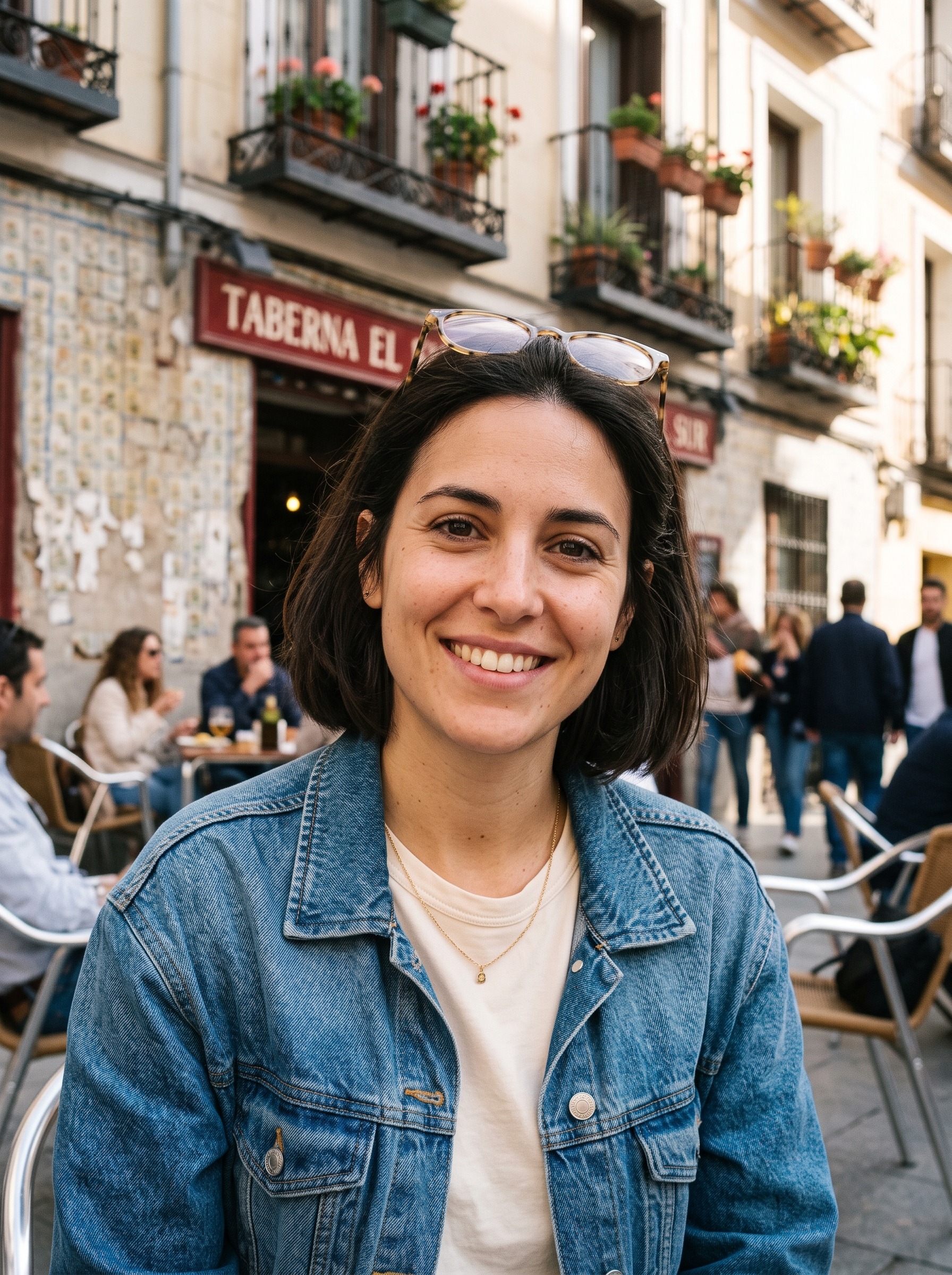 By Carmen Otero

One boulevard here, the Paseo del Prado, once ran through fields belonging to the monks of San Jerónimo — the Prado de los Jerónimos — and the district still keeps that cloistered, green inheritance close. The Prado stands on one side, El Retiro on the other, and between them Madrid arranges its masterpieces with unusual calm. You feel it in the way the morning begins: joggers on gravel, museum doors opening, the first school group being shepherded past the Velázquez rooms, and the park still cool enough to make the plane trees seem to hold their breath.
What Retiro (Jerónimos) is known for
This is the address of Madrid’s Golden Triangle of Art, and the concentration is the point. The Museo del Prado anchors the whole district, with Velázquez, Goya and El Greco hanging in a building that feels less like a museum than a national memory palace. A short walk north across Plaza de Cánovas del Castillo — locals still say Plaza de Neptuno — brings you to the Museo Thyssen-Bornemisza at Paseo del Prado 8, the museum that fills in the historical gaps the Prado leaves behind, from early Italians to Impressionists and a strong twentieth-century run. Down towards Atocha, the Museo Reina Sofía keeps Picasso’s Guernica and Spain’s modern collection. UNESCO’s 2021 listing of the Paseo del Prado and El Retiro as a World Heritage cultural landscape merely gave an official name to what already feels obvious on the ground: this is a city district built around art and air.

The other half of the story is El Retiro itself, the former royal pleasure garden of the vanished Buen Retiro palace, opened to the public in the nineteenth century. It is not a decorative park in the flimsy sense. It is a working lung, 118 hectares of paths, lawns and shade where Madrid comes to walk, row, sit, read, and recover its temper. On the western edge, Jerónimos proper is all polished brass, doormen and museum-side calm. Push east, across the park to the Ibiza pocket around Calle Doctor Castelo and Calle Ibiza, and the register loosens into a proper neighbourhood: dog-walkers, market shoppers, and a run of tabernas so dense it almost feels accidental.
San Jerónimo el Real, the Gothic church on the rise behind the Prado, gives the district its name and some of its gravity. Spanish heirs were sworn in here as Princes of Asturias for three centuries, and Alfonso XIII married here in 1906. The church doesn’t shout about any of this; it simply sits there, a reminder that this quarter has long been used for ceremonies that matter.
Where to eat & drink
Eating in Retiro splits neatly by geography. In Jerónimos, the mood is polished and measured. Trattoria SantArcangelo at Calle Moreto 15 has been the neighbourhood’s benchmark Italian since 1995, spread over several levels with a summer terrace that invites the kind of lunch that can stretch without apology. Carpaccio, fresh pasta, and the relief of sitting down somewhere a few steps from the Prado and the Jerónimos church — it is the sort of place that makes the district feel less like a museum campus and more like a lived-in address.

On the Paseo del Prado itself, inside the NH hotel on Plaza de Cánovas del Castillo, Estado Puro is Paco Roncero’s tapas bar, and the room makes its own statement before the food arrives: a ceiling hung with a thousand white peinetas, those flamenco combs turned into a kind of suspended texture. Order the liquid Spanish tortilla, or jamón croquetas, and stand at the bar if you want to feel the place at its most natural. It is a smart room, yes, but not a stiff one.
The real neighbourhood eating, though, is east of the park in the Ibiza pocket, and particularly around Calle Doctor Castelo. La Castela at number 22 is the archetype: a 1980s revival of a 1929 bodega, all tin counter and marble, pouring vermút and beer through an old serpentine cooler and sending out mojama with almonds, León cecina and Huelva prawns to a crowd that looks as if it has been coming here for years because many of them have. A few doors down, La Raquetista at Doctor Castelo 19, run by the Aparicio brothers, does sharper market-driven small plates and the crisp, featherlight torreznos that regulars talk about with the warm possessiveness of the well fed.
Salino at Calle Menorca 4 is the brothers’ third address, and it has earned its own following for award-winning croquetas and rice dishes. Around the park’s south-east corner, La Montería at Calle Lope de Rueda 35 holds a Michelin Bib Gourmand for elaborate tapas and game dishes; battered prawns are one of those plates people order almost on instinct.


Going out
Set expectations honestly: this is not a going-out district, and that suits the people who choose it. The evening here is a late dinner in one of the Doctor Castelo tabernas, a glass of Ribera on a terrace, and then a nightcap before things quietly shut. There are no clubs and few late bars inside Retiro or Jerónimos. The park itself closes at 10pm in winter and midnight in summer, and once the galleries lock up the museum streets fall silent in a way that feels deliberate rather than empty.
What you do get is a civilised drink with a view. The rooftop and cocktail bars of the grand hotels along the Paseo del Prado draw a smart, older crowd for aperitivo hour, and the terraces facing the park on Avenida de Menéndez Pelayo stay busy over wine and shared plates into the evening. Arzábal at number 13 is one of those places: a long-running taberna with the park just beyond the road, a good setting for the kind of dinner that begins with a drink and ends without hurry.

If you want dancing, Madrid’s real night runs west and north. Huertas and the Barrio de las Letras are a short walk from the Thyssen, and Chueca and Malasaña are only a couple of Metro stops away. Sleep in Retiro, party elsewhere, come home to quiet — that is the deal here, and it is a good one.
Things to do
The pleasures here are green and unhurried, even when they begin with a queue. In El Retiro, the Estanque Grande is the obvious first stop: rowboats for €6 on weekdays and €8 at weekends for 45 minutes, up to four people per boat, with the semicircular colonnade of the Monument to Alfonso XII keeping watch above the water. It is one of those Madrid rituals that can look touristy from a distance and feel perfectly ordinary once you are in the boat, pulling away from the jetty while the oars creak and the park noise flattens into a murmur.
Walk south to the Palacio de Cristal, the 1887 glass-and-iron pavilion built for a Philippines flora exhibition and now used by the Reina Sofía for free contemporary-art installations, mirrored in its own little lake. Nearby, the brick Palacio de Velázquez does the same. Both are the sort of structures that make the park feel less like scenery than a sequence of rooms without walls. Time a spring visit for the Rosaleda, the 1915 rose garden that peaks in May and June, and make a point of finding the Fuente del Ángel Caído. It is one of the very few public monuments in the world to the fallen Lucifer, which is a wonderfully Madrid thing to have tucked among the trees.
Near the Atocha gate, the Bosque del Recuerdo plants an olive or cypress for each victim of the 2004 train bombings. It is sober, restrained, and all the more moving for that. Across the boulevard, the Real Jardín Botánico rewards €4 with a serene, terraced eighteenth-century garden of some 5,000 species right beside the Prado. And do not skip CaixaForum Madrid at Paseo del Prado 36 — a former power station by Herzog & de Meuron, its brick shell lifted clear of the ground and its blank flank wrapped in Patrick Blanc’s four-storey vertical garden of some 15,000 plants.
{{ATTRACTIONS}}
The Museo Thyssen-Bornemisza at Paseo del Prado 8 deserves a second mention here because it is the museum that changes the rhythm of the whole district. The Prado can feel monumental; the Thyssen feels like the useful bridge between eras, a place that lets you move from one history of painting into another without ever leaving the boulevard.
Shopping & markets
Retiro is not a fashion district. For that you cross into Salamanca. But it has one shopping ritual worth planning your day around, and it is one of the city’s quieter pleasures. The Cuesta de Moyano — the gentle slope of Calle Claudio Moyano running between the Botanical Garden and the park’s Atocha corner — has held Madrid’s permanent open-air book fair since 1925. Roughly thirty green wooden stalls line the incline, selling remaindered paperbacks, out-of-print novels, antique maps, prints and the occasional genuinely rare volume. Booksellers usually have most booths open between 10am and 6pm, and the whole thing has become Madrid’s answer to the Seine’s bouquinistes, protected as intangible cultural heritage.
For everyday life, head to the Ibiza pocket east of the park, where Calle Ibiza, Calle Narváez and Calle Doctor Castelo carry the neighbourhood’s independents — bakeries, wine shops, cheesemongers and old-school fashion and shoe stores that serve residents rather than tourists. It is the kind of run where you shop for a picnic to carry into the park: bread from a bakery, cheese and jamón from a charcutería, a bottle from the vinoteca, and you are set for an afternoon on the lawns.
Where to stay in Retiro (Jerónimos)
Two very different moods sit either side of the park. Jerónimos, the wedge between the Prado and the park’s west wall, is where the grand hotels cluster and where you pay for the address — quiet, formal, walk-everywhere-that-matters. Its landmark is the Mandarin Oriental Ritz, Madrid, opened in 1910 right beside the Prado and two blocks from El Retiro, the city’s most storied luxury address. Streets like Moreto, Alberto Bosch and Alfonso XII along the park edge suit couples and culture-first travellers who want calm and grandeur and do not need nightlife downstairs.
For better value and a livelier local feel, look at the Ibiza / Doctor Castelo side east of the park, where mid-range hotels and apartments sit among the tabernas and neighbourhood shops. You are still minutes from the greenery, but you are paying neighbourhood, not museum-frontage, prices. Wherever you land, the district is exceptionally walkable and flat, with the Metro close by, so you are never far from the rest of the city.
{{HOTELS}}
Getting around
The district is small and flat enough to cover on foot, and that is how it makes the most sense. The three museums, the church and the park’s west gates are all within a ten-minute stroll of each other. For the Metro, Banco de España and Retiro, both on Line 2, serve the Jerónimos and north-park side, while Estación del Arte on Line 1 sits beside the Reina Sofía and the Botanical Garden. For the Ibiza pocket east of the park, use Ibiza on Line 9 or Príncipe de Vergara on Lines 2 and 9. Atocha, a few minutes’ walk south of the park, handles Cercanías commuter and long-distance trains, including the fast train to Toledo, Córdoba or Seville.
Central Madrid — Sol, the Gran Vía, Puerta del Sol — is a 10-to-15-minute walk or one short Metro hop away. For the airport, take Line 2 or 9 to a Line 8 interchange via Nuevos Ministerios and continue to Adolfo Suárez Madrid–Barajas, roughly 30–40 minutes on the Metro, or 20–25 minutes by taxi, which charges a fixed city-to-airport flat fare.
Retiro is one of those rare Madrid districts that does not ask you to choose between culture and rest. It gives you both, then lets the day end early, which in this part of the city feels less like a compromise than a form of good manners.
FAQs
Is Retiro (Jerónimos) a good area to stay in Madrid?
Yes — if you are coming for the art and prefer calm over noise. Jerónimos puts the Prado, Thyssen, Reina Sofía and El Retiro within a short walk, in one of Madrid’s safest and quietest districts. The trade-off is price on the museum side and an early, sleepy evening, so nightlife-seekers are usually happier in Malasaña, Chueca or Las Letras.
Is El Retiro park free, and can you rent a rowing boat?
The park is free to enter. It opens daily from 6am to 10pm in winter and until midnight in summer. Rowing boats on the Estanque Grande cost €6 on weekdays and €8 at weekends and holidays for 45 minutes, up to four people per boat. The Palacio de Cristal and Palacio de Velázquez are also free to visit.
When are the museums free in Retiro?
The Prado is free for the last two hours daily — 6–8pm Monday to Saturday and 5–7pm on Sundays and holidays. The Reina Sofía is free on most evenings from 7–9pm and on Sunday afternoons. Queues build before the free windows, so it is worth arriving early.
What is the best way to get around Retiro?
On foot, mostly. The district is flat and compact, with the Prado, the church and the park all close together. For Metro, use Banco de España or Retiro for Jerónimos, Estación del Arte for the Reina Sofía and Botanical Garden, and Ibiza for the east side of the park.