Manila guide
Poblacion, Manila: the old red-light strip that learned to pour great drinks
A walkable knot of tacos, oysters, yakitori, claypot rice and late-night bars, Poblacion is where Makati goes after dark to loosen its tie and stay out too late.
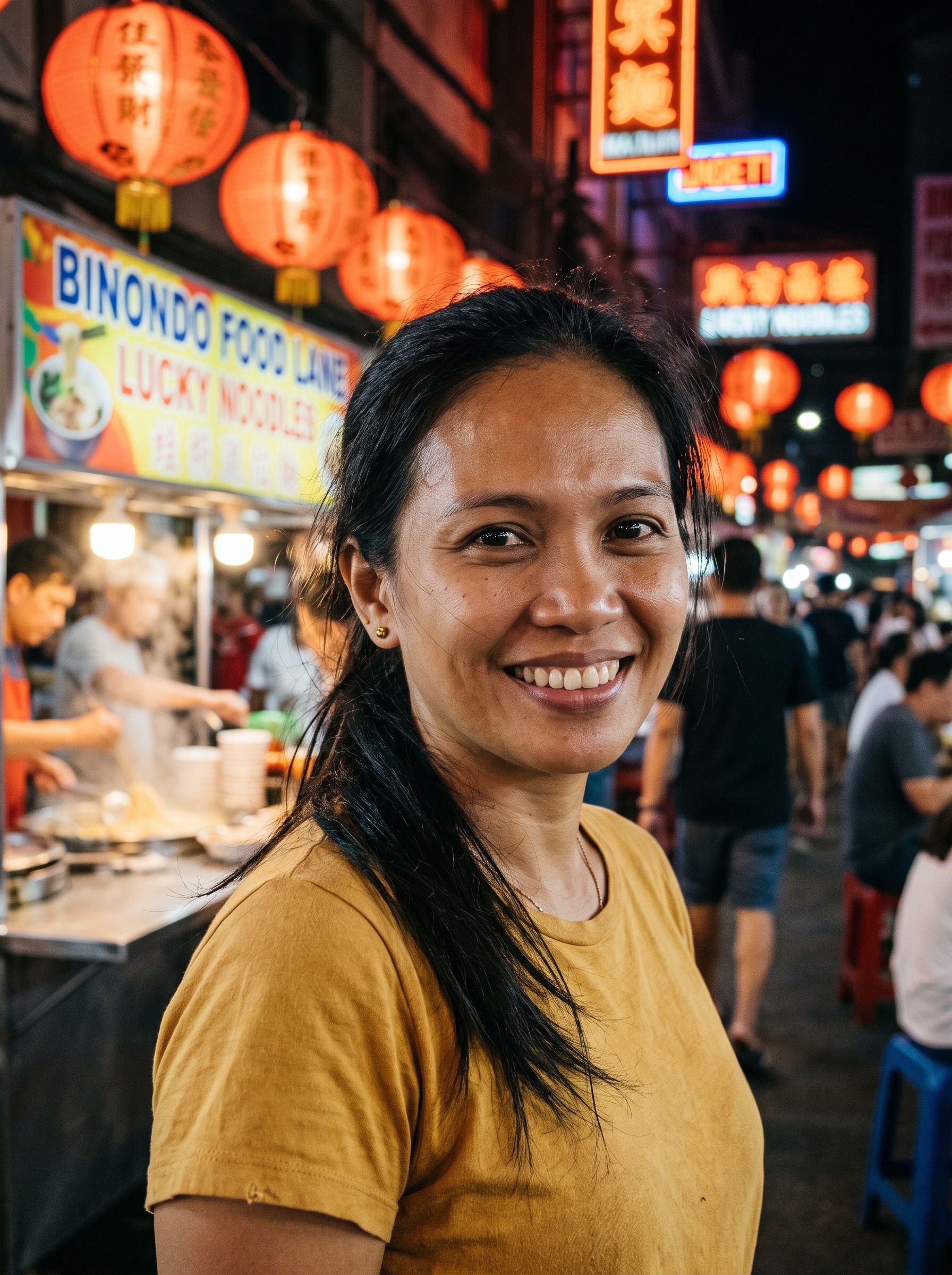

Twenty years ago, the corner of P. Burgos and Felipe was where Makati came to be bad in public. Now it’s where you start a very good night with tacos in one hand and a tequila shot in the other. That turnaround is the whole story of Poblacion: a former red-light strip that changed faster than its reputation, and in the gap between those two things, found its charm.
What Poblacion is known for
Poblacion is Makati’s oldest downtown, a low-rise grid of narrow one-way streets wedged between the central business district and the Pasig River. It’s loud, hot, tangled with overhead wires, and always faintly smelling of charcoal smoke and grilled skewers. The old P. Burgos strip still flickers with its old reputation on the main drag, but the real action has long since slipped to the side streets, where the bars are scrappier, the food is better, and the whole place feels a little less supervised in the best possible way.
This is the neighbourhood that turned “hipster central” from a joke into a map pin. Around 2013, cheap rents pulled in art-school kids, creatives, and the first wave of design-led bars. Then the backpackers arrived, then the office crowd from BGC and Makati looking for a post-work escape, then the old families who never left, still running carinderias that have seen every version of the district. Poblacion now runs on density: one block can hold a Michelin-listed claypot room, a folklore cocktail bar, a 24-hour diner and a walk-up tequila window. That’s the trick. You don’t come here to “do” one thing. You come here and let the street decide.

The neighbourhood’s shape matters. Everything good sits inside a five-block walk, and the plan is usually just to move from one doorway to the next until something interesting happens. Felipe is the taco-and-skewer spine. Don Pedro and P. Guanzon are where the cocktails and modern Filipino plates cluster. P. Burgos still carries the louder club energy and the after-midnight comfort-food angle. It’s not polished like BGC and not corporate like Ayala. Poblacion is where Manila comes to feel a bit off-leash.
Where to eat & drink
Start on Felipe Street, because that’s where the modern version of Poblacion really began. El Chupacabra opened its walk-up taco window and cheap-beer counter here in 2009, and the place still behaves like it knows it was first. The sisig tacos are the obvious order, but the real ritual is the whole setup: no reservations, a sidewalk window, tequila shots at ₱120, and a crowd that never seems to thin out. It’s the kind of place that makes you understand why a neighbourhood can change if the first thing it gives people is a reason to stand around smiling.

Across the alley, Tambai Yakitori Snackhouse grills Filipino-style skewers from 6pm, each stick around ₱65, and the appeal is exactly that it asks for nothing elaborate. You eat standing up, beer in hand, smoke in your clothes, and nobody minds. It’s a tiny, democratic pleasure: cheap, fast, and very much of this street.
A short walk away on Jacobo Street, Wantusawa Oyster Bar shifts the mood from charcoal to brine. The oysters come fresh, grilled or baked, sourced from Panay Island, and there’s sake if you want to keep the evening properly lubricated. The outdoor sitting bar gives it a loose, open-air feel, which matters in Poblacion, where “indoor” is often more of a suggestion than a condition.
For modern Filipino, Alamat Filipino Pub & Deli on Don Pedro leans into local ingredients and craft beer without making a speech about it. Balut and chicharon sit comfortably beside the pints, which is very Poblacion: the neighbourhood that can move from street snack to considered plate without changing shoes. If you want one room that explains the district’s appetite for reinvention, this is it.
Then there’s Super Uncle Claypot on Enriquez Street, a Michelin-selected Cantonese room that feels like one of the neighbourhood’s best kept secrets even when it isn’t. The spareribs-and-Chinese-sausage claypot rice is the sleeper hit here, the sort of dish that keeps you thinking about it long after the night has moved on. In a district full of things that announce themselves loudly, this one earns its place by being quietly excellent.
Thai food has two solid anchors. Crying Tiger on P. Guanzon is the budget answer: no fuss, no air-con, and a plate of pad see ew that does exactly what it should. Krapow on Don Pedro is the other end of the same lane, known for its holy-basil pork, the namesake pad krapow moo sub. Between them, you get the useful range that makes Poblacion such an easy place to eat badly and well in the same evening.
And if you want a sandwich with a bit more intent, Dirty Hands on Quintos Street builds customisable Mediterranean shawarma from a Michelin-trained kitchen. That’s the sort of sentence that sounds like a pitch deck until you’re actually holding the wrap, and then it just tastes like a very good idea.
When the night goes sideways, or simply long, Filling Station Bar & Cafe on P. Burgos is there for you, neon-lit and open 24 hours, doing 1950s Americana diner comfort food for the people who need eggs at 3am. It’s the neighbourhood’s pressure valve. Everyone ends up here eventually, whether they planned to or not.
Going out
Poblacion’s bars are built for walking. That’s the whole point. You don’t book the whole evening; you let the evening book itself. The side streets are where the best rooms hide, often behind coffee-shop fronts or unmarked doors, which suits a district that likes to make you work just enough for the reward.
Agimat Foraging Bar and Kitchen on Alfonso Street is one of the clearest expressions of that instinct. Its cocktails are built around Filipino folklore, with drinks named after myths and spirits, some served on fire. It was picked by Time Out as one of Manila’s best cocktail bars, and the room has the sort of theatricality that could feel silly anywhere else. Here it feels like part of the local weather.

Run Rabbit Run on P. Guanzon goes in a different direction, with an Alice-in-Wonderland theme and locally inspired drinks. Reservations help, which is worth knowing if you’re trying to thread a proper night rather than wandering in and hoping the neighbourhood will sort you out. It’s playful without being precious, which is a rare and useful balance.
Then there’s The Spirits Library, all wall-to-wall bottles and jazz soundtrack, the sort of bar that makes you lower your voice on entry without being told. OTO is its cooler, more audiophile cousin: a hi-fi listening bar with a serious vinyl collection and a drinks menu built to match the music. If Poblacion is about anything beyond drinking, it’s about curation without stiffness, and OTO gets that exactly right.
Beer drinkers have Polilya on Ebro Street, a tropical mid-century room pouring Engkanto Brewery’s craft line. The space feels like a small detour into another decade, but the room still belongs to the present tense, full of people who want one cold pint before deciding what kind of trouble to get into next.
When the night wants volume, Apotheka in the White Rabbit Building on Dona Carmen takes over with DJ sets, live bands and monthly drag shows, drawing a young crowd that seems happy to keep the energy moving. And on Felipe Street, Tetsuo does double duty: a Japanese resto-bar downstairs, then Boogie upstairs once the DJs start. That split personality is very Poblacion too — dinner first, then the room changes its mind and becomes a club.
The easiest first stop of all is Z Hostel Rooftop, open to non-guests and looking out over the district in a full 360-degree sweep. It’s the simplest way to orient yourself before the night dives into the side streets, and it has the rare virtue of being unpretentious about its own view.

Things to do / what to see
Poblacion is not a sights neighbourhood in the usual sense. It’s a doing-by-eating-and-drinking kind of place, and the best thing to do here is a self-guided crawl that treats distance like a joke. Start with tacos at El Chupacabra, move to skewers at Tambai, swing by oysters at Wantusawa, then work through cocktails at Agimat and Run Rabbit Run before finishing at Z Hostel Rooftop or in Boogie above Tetsuo. Come hungry. Pace yourself. The blocks are short, but the night is long and the exits are slippery.

Daylight is worth a detour too, even if the neighbourhood is at its best after dark. The side streets are where you notice the murals, the independent studios, the little design shops, and the cafes that double as gallery spaces. The creative scene here doesn’t announce itself with banners; it shows up in the details, in the way a bar becomes a listening room or a cafe feels like a pop-up waiting to happen.
If you’d rather have someone else connect the dots, guided Poblacion food-and-drink walking tours thread the hole-in-the-wall stops you might otherwise miss. That’s practical, not precious. This is a district that rewards local knowledge, especially when the streets are busy and the night starts to fold in on itself.
At the historic edge of the district, the old Nuestra Señora de Guadalupe church still anchors the neighbourhood, a reminder that Poblacion was Makati’s original town centre long before the towers and the bars arrived. It’s easy to forget that when you’re moving from cocktail room to oyster bar, but the old centre is still under there, holding the place together.
{{ATTRACTIONS}}
Shopping
Poblacion is not where you come to shop in the mall sense, and thank God for that. The retail here is incidental and a little sideways: design studios selling locally made goods, the odd concept store, record-adjacent listening bars, and cafes that double as galleries. You browse because you passed by, not because you planned an afternoon of it. That’s part of the appeal. The neighbourhood doesn’t force a lifestyle on you; it lets one happen around the edges.
If you want serious retail, the Makati central business district is a short ride west, with Greenbelt and Glorietta offering the full mall universe, from luxury boutiques to bookshops and a cinema. For a more Manila-feeling weekend browse, Salcedo Saturday Market and Legazpi Sunday Market are both a quick Grab ride away and worth it for Filipino street food, produce and artisan stalls. But inside Poblacion itself, shopping stays secondary to the main event: eating, drinking, walking, repeating.
Where to stay in Poblacion
Staying in Poblacion means trading quiet for immediacy. You can walk home from every bar, which is the dream, but the streets do not fully sleep, which is the catch. Backpackers and social solo travellers gravitate to hostel-style stays around Don Pedro Street, where Z Hostel is the landmark: big, clean dorms, in-locker power outlets, and that rooftop bar everyone ends up talking about. If you’re a light sleeper, take a room a few floors below the roof. Seriously. Save yourself the regret.
{{HOTELS}}
For a boutique feel, there are small design-led guesthouses and serviced studios scattered through the grid, but the main trade-off is always the same: closer to P. Burgos and the rooftop bars means later soundtrack, while the side streets toward Enriquez and Jacobo are noticeably calmer. If you want the location without the noise, stay in wider Makati near the CBD or Bel-Air and taxi or walk the ten minutes in. Prices skew budget to mid, which is one reason Poblacion stays such a useful base for a night out in Manila.
Getting around
Within Poblacion, you walk. Full stop. The district is a compact grid of narrow one-way streets, and everything you actually want — tacos, cocktails, hostel, oyster bar, claypot rice — sits within a five-block radius along Don Pedro, Felipe and P. Burgos. Wear comfortable shoes. The pavements are uneven, and the popular spots spill onto the street, especially once the evening gets going.
Getting in and out is where the planning comes in. The nearest rail is Guadalupe MRT-3 station, roughly a 10-minute hop away, but there’s no direct walk worth doing at night, so you connect by jeepney or a short tricycle ride. In practice, most visitors just use Grab. It’s cheap, metered, and the easiest way to arrive or leave after dark.
Ayala and the Makati CBD are a five-to-ten-minute ride west; BGC is about 15 to 20 minutes by car depending on traffic. Ninoy Aquino International Airport is roughly 30 to 45 minutes away, though Manila traffic can stretch that, so leave a generous buffer. And if you’re staying out late, do what everybody sensible does here: stick to the lit main streets, keep your belongings close, and let the side alleys stay somebody else’s problem.
FAQs
Is Poblacion a good area to stay in Manila?
Yes, if you’re in Manila for nightlife and food and don’t mind noise. It puts you within walking distance of the city’s best concentration of bars and restaurants, and it’s one of the cheaper central bases, with hostels and boutique guesthouses rather than big hotels. If you want quiet, a pool, or easier transit access, sleep in the wider Makati CBD and ride in.
Is Poblacion safe at night?
Generally, yes. It’s busy and well-travelled, with crowds on the main streets most nights, but it’s still a dense drinking district, so use normal city sense: keep valuables secure, don’t get too drunk to get yourself home, stick to the lit main streets rather than side alleys, and use Grab late at night. Parts of the old P. Burgos strip still carry the red-light hustle, which is easy enough to avoid.
What is Poblacion best known for?
Bar-hopping and street food. Poblacion reinvented itself from Makati’s former red-light district into Manila’s nightlife-and-eating quarter, with speakeasies, cocktail bars, rooftops and hole-in-the-wall eateries packed into a few walkable blocks — from ₱65 yakitori and walk-up tacos to a Michelin-listed claypot room.
How do you get to Poblacion?
The nearest rail is Guadalupe MRT-3, about a 10-minute hop away, but you’ll usually connect by jeepney, tricycle or, easiest of all, Grab. Makati CBD and Ayala are a short ride west, BGC is about 15 to 20 minutes by car, and NAIA is roughly 30 to 45 minutes away depending on traffic.