Melbourne guide
Southbank, Melbourne: riverfront gloss, galleries and skyline drinks
Across the Yarra from Flinders Street, Southbank trades laneway grit for river views, gallery halls, rooftop bars and the kind of polished Melbourne that knows exactly how to pose.
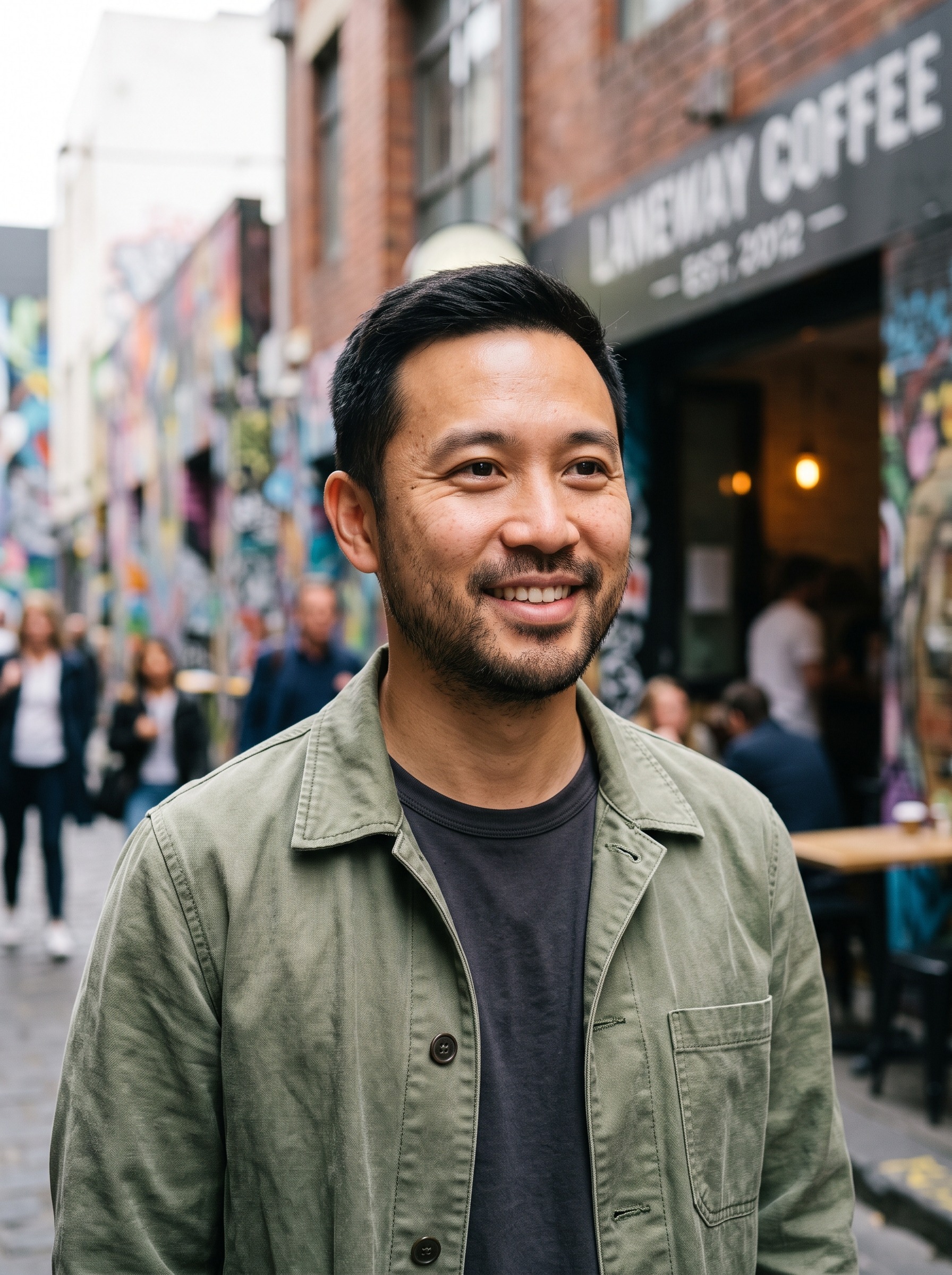 By Thanh Nguyen

Cross Princes Bridge from Flinders Street and Southbank changes the temperature of the city in a few steps: the grid loosens, the Yarra starts talking back, and the pointed white spire of Arts Centre Melbourne comes into view like a stage cue. Ahead, Eureka Tower rises with a sort of blunt confidence only a tower can manage. This is Melbourne’s polished front-of-house, a narrow strip that packs concert halls, galleries, a casino, rooftop bars and floating drinks into a walk you can do before your coffee cools. It is not the city’s secret side. It is the side that likes being seen.
What Southbank is known for
Southbank’s whole identity hangs off two landmarks, and neither is shy about it. Arts Centre Melbourne, with its lit white spire on St Kilda Road, is one of those buildings that makes the skyline feel composed rather than merely built. Beside it sits Hamer Hall, the 2,466-seat concert hall where the Melbourne Symphony Orchestra performs under a roof that knows how to hold sound. On the other side of the neighbourhood, Eureka Tower takes the vertical argument to its logical end with Melbourne Skydeck on the 88th floor, 285 metres above the street. That is not a view so much as a reminder that the city has layers.

Between those poles runs the Southbank Promenade, completed in 1990, a wide riverside walkway that behaves like the neighbourhood’s spine. It starts at Princes Bridge, slides past Southgate, and continues down to Crown, carrying theatre crowds, couples, joggers and the occasional busker who knows the bridge acoustics better than most sound engineers. The Evan Walker Bridge, named for the planning minister often called the father of Southbank, and the grand Princes Bridge stitch the whole district to the CBD. Cross either and you are back in the city in minutes. Stay put and you are in the part of Melbourne built to be looked at, and looked from.
The cultural density is the real story here. Within a few blocks sit NGV International, ACCA, Malthouse Theatre, Melbourne Recital Centre and Southbank Theatre. That is an absurd amount of art, music and performance for such a compact stretch of riverbank, and it explains the neighbourhood’s rhythm: quieter by day, when gallery-goers and students from the Victorian College of the Arts drift through, then busier and brighter by night when the promenade and Crown take over. Southbank does not pretend to be gritty. It is more Southgate spritz than dive bar, and it knows exactly who it is for.
Where to eat & drink
Southbank eats to the river, which means the best tables are often the ones facing water, glass and movement. Southgate is the classic starting point, a three-level complex beside Princes Bridge where the promenade crowd naturally spills in for a drink or a late lunch. BearBrass handles the easy end of the brief with casual all-day dining, wood-fired pizzas and weekend breakfasts right on the promenade. It is the sort of place where you can order without overthinking and still feel like you have done Melbourne properly.

Pilgrim Bar is the better mood if you want your drink with a little more hush. It sits in the historic Federation Wharf vaults on the water’s edge and keeps an all-Australian drinks list, which is a pleasingly straightforward idea in a neighbourhood that can sometimes get carried away with its own reflections. Across the way, The Meat & Wine Co Southbank does what it says with premium steak, a serious wine list and skyline views that make the room feel expensive even before the bill arrives. Sometimes that is the point. Sometimes it is not, but the steak is still the steak.
The floating bars are where Southbank becomes more distinctly Melbourne. Ponyfish Island, under the Evan Walker Bridge, is a cult pontoon bar with cocktails, share plates and walk-ins only. No bookings, no fuss, no pretending this is anything other than a good spot to stand over the river and let the city drift around you. Yarra Botanica is newer and greener, a two-level greenhouse-style floating bar off Riverside Quay with roughly 90 percent of its food from Victorian suppliers and city views that do the hard work for it. There is a slightly theatrical quality to drinking on a platform in the river, but Southbank wears it well.

Crown adds scale rather than intimacy. The complex runs along the riverbank with more than 40 restaurants and bars, including The Atlantic, its waterfront seafood room with a riverside terrace, and Ludlow Bar & Dining Room, a modern riverside pub with a big beer-garden terrace, hibachi grill and Sunday roasts on Riverside Quay. This is not the lane-and-stool version of Melbourne dining. It is bigger, shinier, more visitor-facing, and often exactly where people want to be before a show or after a long day in the office.
Going out
After dark, Southbank’s centre of gravity shifts upward. Strato Melbourne, on the 40th floor atop the Oakwood Premier hotel on Normanby Road, sits 139 metres up with 360-degree views that sweep across the Yarra, the CBD skyline and out over Port Phillip Bay. It does classic cocktails, wines and a modern-Australian menu, and it runs Wednesday through Sunday evenings, with weekend lunch sittings too. That kind of height has a way of making even a simple drink feel like an occasion, although the view is doing a lot of the work. Fair enough. It is a very good view.

For something lower and looser, Ponyfish Island and Yarra Botanica keep the river in the frame and run late enough to make a night of it. The appeal is obvious: you are on the water, not just near it. The air moves differently, the city sounds soften, and the whole place feels like it has drifted a little out of the grid. That said, Southbank is not really Melbourne’s small-bar kingdom. It is a bigger-venue, more mainstream night out, and it knows it.
Crown is the other engine. More than 30 bars, sports lounges, a 24-hour casino floor and late-night dining give the precinct its own internal weather system. After dark, the fireballs from the promenade brazier towers add a bit of theatre to the riverbank, because apparently the skyline was not already doing enough. If you want a pre-show drink, a rooftop cocktail or a late meal with a crowd around you, Southbank is built for that. If you want to disappear into a tiny bar down a lane, cross the bridge and keep walking.
Things to do / what to see
NGV International is the anchor, and it earns the title without raising its voice. At 180 St Kilda Road, Australia’s most-visited gallery has a free permanent collection, the famous Water Wall at the entrance and the Great Hall’s stained-glass ceiling by Leonard French, the largest of its kind in the world. People really do lie on the floor for it. That is not a gimmick; it is the correct response to a ceiling that good. Major ticketed exhibitions run through the year and tend to sell out, so book ahead if you want the headline show rather than the apology after.

Next door, ACCA on Sturt Street keeps the temperature more experimental with free contemporary art in a striking rusted-steel building. It is a useful reminder that Southbank is not only about polished finishes and river views; there is still room for work that pushes back a little. The arts precinct continues with Arts Centre Melbourne, Hamer Hall, Melbourne Recital Centre, Southbank Theatre and Malthouse Theatre, which together stage more than 1,000 events a year across theatre, ballet, opera, orchestral concerts and adventurous contemporary programming. If you are in town for a concert or a play, this is the neighbourhood that makes the logistics easy and the pre-show drink dangerously convenient.
The Melbourne Skydeck is the obvious spectacle, and it deserves the queue. Up on the 88th floor of Eureka Tower, the city spreads itself out in every direction, and The Edge glass cube slides out from the building to leave you suspended almost 300 metres above the streets. It is a very Melbourne kind of thrill: neat, engineered and just a little smug about the engineering. If that is not your thing, walk the Southbank Promenade end to end instead. You get the free version of the same skyline, plus the buskers under Princes Bridge and the constant churn of the Yarra.
{{ATTRACTIONS}}
Shopping
Southbank is not where you come to shop, and that is part of its honesty. Southgate has a modest run of shops, gifts and galleries tucked between the restaurants, useful if you need a present or a browse without a mission. Crown adds a strip of luxury and designer boutiques, which is handy if your idea of retail therapy involves labels, polished floors and the faint suspicion that you are being upsold by the lighting.
The better browsing, though, lives around the cultural venues. The NGV Design Store at NGV International is genuinely good for art books, prints and Australian design objects, which is more than can be said for many gallery shops that mistake tote bags for taste. Theatre foyers also carry programme-related merchandise, the sort of thing you only notice when you are leaving with a ticket stub and a scarf. For actual shopping, the city is still the city: cross Princes Bridge or Flinders Street and the Bourke Street Mall, the Emporium and the laneway boutiques are all within a ten-minute walk. If you want Chapel Street’s fashion strip, it is a couple of tram stops south in South Yarra and Prahran. Southbank’s stores are conveniences, not the reason to come.
Where to stay
Southbank works so well as a hotel base because it is built vertically and beside the river, which means the rooms can actually earn their price tag with a view. A lot of Melbourne hotels promise skyline drama and deliver a glimpse of a brick wall; here, the river and towers do the talking. The top end clusters around Crown, where Crown Towers has sat at the luxury end of the market for years, with Crown Metropol and Crown Promenade alongside it. The Oakwood Premier, with Strato on the roof, adds another high-rise option, and there is no shortage of five-star towers if your version of travel includes a lobby that looks like it has a PR team.
Mid-range and apartment-style stays are also common, including serviced-apartment brands and newer arrivals like Holiday Inn Express Southbank, which makes sense if you want to be close to the arts precinct without going full luxury. Budget options exist, but fewer than in the CBD, and the riverside end near Southgate and the promenade is the scenic, walkable sweet spot. Towers along City Road tend to be cheaper but busier and windier. That is the trade-off: better views or a slightly less breezy night’s sleep.
{{HOTELS}}
Getting around
Southbank is compact and flat, which is why the easiest way around is usually your own feet. The Promenade links the major venues, and the Evan Walker and Princes bridges put you back in the CBD in about five minutes. Flinders Street Station sits directly across the river, so trains to St Kilda, the beaches, the MCG precinct and the suburbs are a short walk away. That is the quiet superpower of staying here: you can be in the middle of the arts precinct, then across the bridge and onto a train before you have finished deciding where to have lunch.
Trams do the heavy lifting along St Kilda Road and Southbank Boulevard, with routes 1, 3, 5, 6, 16, 64, 67 and 72 all running past the cultural strip and down toward South Yarra, St Kilda and the university. Parts of Southbank nearest the river sit inside Melbourne’s Free Tram Zone, so short hops around the city core cost nothing, provided you do not touch on your Myki inside the zone and accidentally invite the system to charge you anyway. Sturt Street is now permanently closed to through traffic as part of the arts-precinct works, which makes that side of the neighbourhood even more walkable.
For the airport, allow roughly 30 to 45 minutes by taxi, rideshare or SkyBus from the nearby CBD, traffic depending. It is a central, well-lit, heavily used part of the city, and the usual big-city care applies late at night, especially around Crown and the quieter tower streets. Otherwise, Southbank is exactly what it looks like: polished, busy, and very good at making Melbourne feel larger than the few blocks it actually occupies.
FAQs
Is Southbank a good area to stay in Melbourne?
Yes, especially for first-timers and culture-led trips. You get river and skyline views, the arts precinct, Crown and top hotels, and you are a five-minute walk over the bridge from the CBD and Flinders Street Station. The trade-off is price and a more polished, visitor-facing feel than the laneway-bar character across the river.
Is Southbank Melbourne safe?
Yes. It is one of the most central, well-lit and heavily used parts of the city, busy day and night with theatre-goers, diners and promenade walkers. Use normal big-city care late at night, especially around Crown and the quieter tower streets, but there is no particular safety issue to worry about.
What is there to do in Southbank besides eat and drink?
Plenty. NGV International and ACCA are both free to enter, Arts Centre Melbourne and Hamer Hall stage theatre, ballet and orchestral concerts almost nightly, and Melbourne Skydeck on the 88th floor of Eureka Tower gives you the city’s highest public view, complete with The Edge glass cube. Walking the Southbank Promenade and crossing the footbridges into the CBD is a highlight in itself.
Is Southbank good for nightlife?
Yes, if you want rooftop drinks, riverside bars or a bigger-venue late night at Crown. Strato Melbourne, Ponyfish Island and Yarra Botanica cover the scenic end; Crown brings the casino and long-hours energy. It is not Melbourne’s intimate small-bar scene, but it does the polished high-rise version well.