Mexico City guide
Juárez, Mexico City: where the city comes to eat, drink and stay up late
Once an aristocratic address of French-style mansions, Juárez is now Mexico City’s most central neighbourhood for serious dining, cocktail bars, design shops and late-night life.
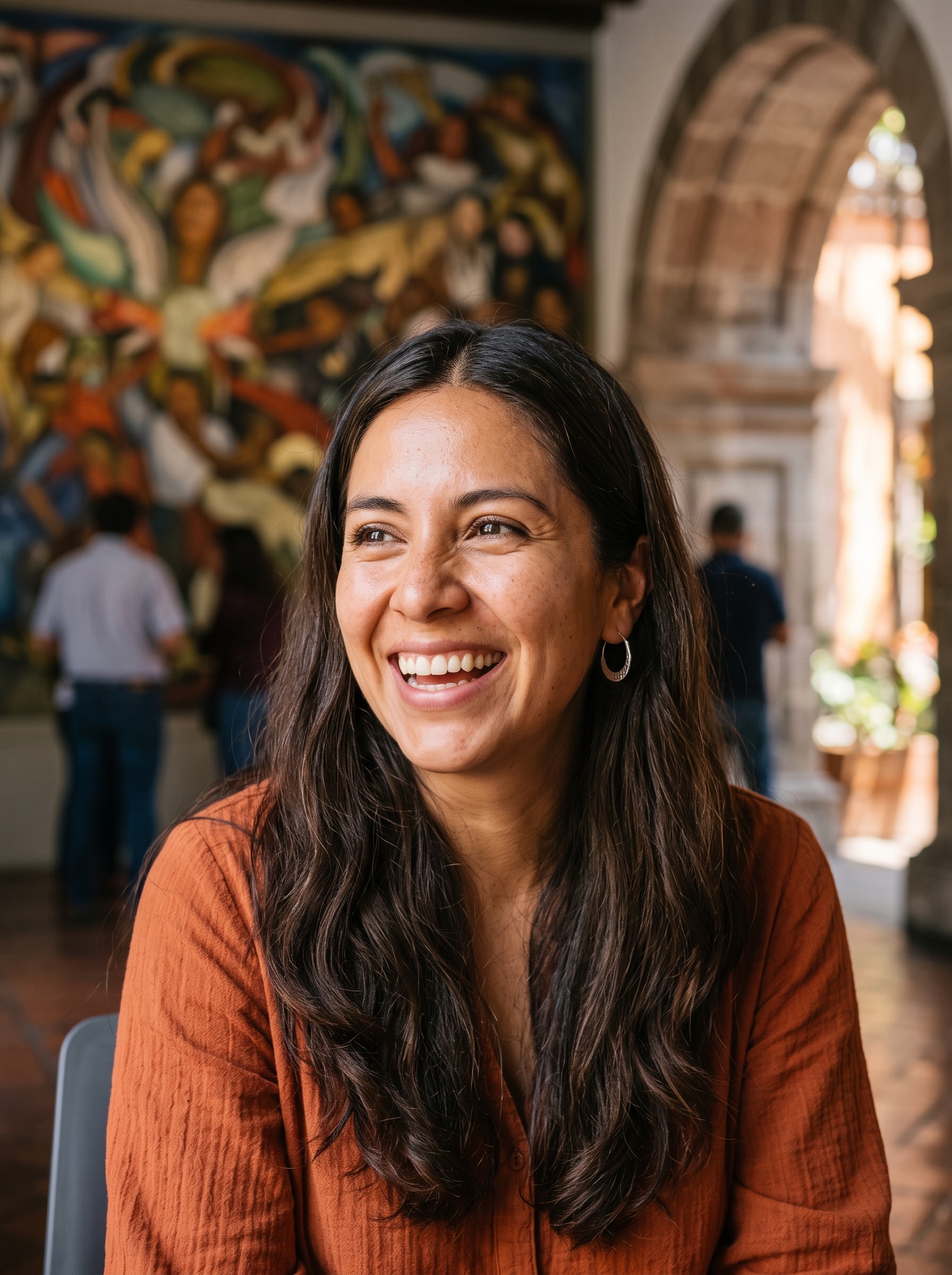

A block off Paseo de la Reforma, the city is already doing what it does best: moving too fast to be elegant and somehow pulling it off anyway. In Juárez, that contradiction is the point. The old mansions still stand on Havre, Dinamarca and Berlín, with wrought-iron balconies and the occasional exhausted caryatid, but the ground floors now belong to bakers, perfumers, cocktail bartenders and people who can tell you, without blinking, which natural wine is worth the detour. This is the barrio where Mexico City comes to eat and drink first, and where it stays long enough to buy a shirt, a candle, a bottle of something obscure, and maybe another drink before the night slips sideways.
What Juárez is known for
Juárez is one of those central neighbourhoods that refuses to be one thing. It runs from Paseo de la Reforma down to Avenida Chapultepec, with Centro on one side and Roma on the other, and it feels like a compressed version of the city’s current ambitions: monumental, creative, noisy, and just a little smug about how well it all works. The old aristocratic grid still gives the place its posture. Streets named for European cities — Havre, Dinamarca, Berlín, Praga — carry the memory of Porfirio-era wealth, when French-style mansions were the right kind of address for people who wanted Mexico City to look like somewhere else. Then history did what it does. Revolution, earthquake, neglect. The houses emptied out, and the neighbourhood spent decades becoming useful in a different way.
Now the usefulness is culinary. Walk Havre or Dinamarca on a weekday and you can have breakfast, buy perfume, and find a speakeasy door before lunch. That density is the whole trick. Juárez is not charming in the postcard sense; it is charmed by momentum. On Paseo de la Reforma, the avenue cuts through the neighbourhood with the city’s ceremonial self-image intact, all glass towers and the golden Ángel de la Independencia keeping watch like a very expensive traffic cone. On Sunday mornings, the avenue belongs to cyclists, runners and skaters during Muévete en Bici, and the scale of the place changes. Cars vanish, the air loosens, and the boulevard finally behaves like public space instead of a corridor for appointments.

West of Insurgentes, the mood tilts again. That is Zona Rosa, the city’s long-running LGBTQ+ district and its Little Seoul, where the neon is brighter, the nights are louder, and Hangul signs sit comfortably beside club flyers and karaoke promises. It has been a social engine for decades, and the energy is still unmistakable: young, international, dressed for later than they should be. Juárez can do polished and it can do messy; the best thing about it is that it rarely makes you choose.
Where to eat & drink
If you come to Juárez without planning your meals, the neighbourhood will plan them for you. Start at Café Nin on Havre 73, Elena Reygadas’s all-day café in the former home of her Panadería Rosetta. It is named for Anaïs Nin, which feels appropriately literary until you see the pastries and remember that deliciousness is also a form of culture here. Breakfast can be eggs and mimosas, or something more civilised and less predictable, eaten in a plant-filled patio that reads like a Parisian bistro that took a wrong turn and ended up in a Mexican hacienda. The room has that calm, expensive patience that only a good bakery can afford.
A block over, Niddo on Dresde 2 does the sort of all-day breakfast that makes you forget the clock entirely: buttermilk pancakes with crème fraîche, avocado bagels, shakshuka. It is tiny, tucked just behind Reforma, and exactly the kind of place that gets a neighbourhood its reputation before the rest of the world catches up. Juárez has many ambitions, but breakfast is where it sounds most relaxed.

For dinner with a sense of occasion, Amaya on General Prim 95 is chef Jair Téllez’s room for seasonal small plates and natural wines that are described, with admirable honesty, as bizarre. That is not a warning; it is the point. Juárez has become a neighbourhood for people who like their meals to have an opinion, and Amaya has one. A few doors down, Taverna at Prim 34 turns a restored 1905 hacienda into a candlelit Mediterranean room with wood-oven cooking and a wall of 50-plus mezcals. It is the kind of place where the light is low enough to flatter everyone and the mezcal list is long enough to postpone decisions until they become someone else’s problem.
French cooking also has a proper foothold here. Havre 77, Eduardo García’s brasserie in an old mansion, does Baja oysters, a big burger and apple tarte tatin with the confidence of a place that knows exactly what it is and does not feel the need to improvise. Juárez can be very modern, but it still likes a room that understands the old social grammar: mansion, brass, good butter, no fuss.

Then there is Loose Blues on Dinamarca 44, which splits its identity neatly between menswear, vinyl and a dining room serving Japanese-Mexican donburi and cocktails. It is the sort of hybrid that only makes sense in a neighbourhood like this, where shopping and eating are not separate errands but adjacent pleasures. Next door, Cicatriz was one of the city’s first natural-wine bars and still earns its keep with American café plates and a key lime pie that has no business being as memorable as it is. That is Juárez in miniature: something old, something imported, something slightly eccentric, and something you’ll think about later.
Going out
Juárez may be the city’s most serious neighbourhood for a cocktail, which is a bold claim in a place that treats drinking as civic infrastructure. The headliner is Handshake Speakeasy, hidden behind a black door marked only with a silver 13 near the NH Collection on Reforma. Inside, the room goes black-and-gold Art Deco and the drinks are built with the kind of precision that makes you speak more softly. In 2024 it was named the No. 1 bar in North America, and it has spent enough time among the World’s 50 Best to stop sounding surprised by praise. The mezcal-and-absinthe Once Upon a Time in Oaxaca is the sort of drink that makes you understand why bartenders carry notebooks.

A short walk away, Hanky Panky is the city’s original speakeasy, which is a phrase that gets abused everywhere except here, where it still feels earned. You only get the entry instructions when you reserve, and the arrival is half the fun: through the back of a small taquería and into a snug 1920s-style bar. It is a little theatrical, yes, but Juárez has the right kind of theatre — the sort that respects a good door and a better pour.
For live music, Parker & Lenox pairs a New York-style jazz club with an attached cocktail-and-burger bar. That combination sounds obvious until you are in the room and realise how rare it is to find somewhere that can switch between listening and lingering without making a fuss about either. And if you want a polished hotel-bar nightcap, Fifty Mils in the Four Seasons on Reforma 500 is one of those world-ranked cocktail rooms that can make a garden courtyard feel like a private annex of the city’s nightlife.
Then comes Zona Rosa, which has been the heart of LGBTQ+ Mexico City since the 1970s and still knows how to fill a block. The action clusters around Calle Amberes and the surrounding streets of Hamburgo, Génova and Florencia, where the bars and clubs come in dense, bright succession. Kinky Bar at Amberes 1 is the multi-floor default for drag shows and dancing until late, while Nicho Bears & Bar keeps things more community-minded, with karaoke, drag and a friendly crowd. It is loud, yes. That is rather the arrangement.
Things to do
The signature Juárez activity is not a museum sprint or a checklist of architectural trophies. It is walking Paseo de la Reforma and letting the neighbourhood show itself in layers. The avenue was modelled on grand European boulevards, but in Juárez it feels less like imitation than assertion: Mexico City taking the idea of spectacle and giving it traffic, protests, football celebrations and the city’s most photographed monument, the Ángel de la Independencia. The column and its winged victory sit at the centre of the city’s emotional weather. People gather there when they are happy, furious, triumphant or simply passing through. That alone makes it worth your time.
Come on a Sunday morning and the avenue changes character completely. Muévete en Bici closes Reforma to cars from 8am to 2pm, and the whole stretch becomes a moving public room for cyclists, runners and skaters. Rent an Ecobici, join the flow, and keep going toward Chapultepec or Centro as the city sheds its weekday armour. It is one of the few times you can stand in the middle of Reforma and hear your own thoughts.
Beyond the boulevard, the pleasures in Juárez are smaller and more intimate. Xinú on Marsella is a perfume atelier built around botanicals native to the Americas, with scents organised around woods, resins and flowers and bottled in sculptural blown glass. The approach is hushed and deliberate, which is exactly what a perfume shop should be if it knows what it is doing. Push through the gardens and the mood changes from street noise to concentration.

Carla Fernández’s townhouse flagship is another reason to wander these streets slowly. Her garments, made with Mexican artisan communities, hang like sculpture, and the building itself feels like part of the argument: contemporary design does not need to shout when the work is this good. Nearby, Bazar Fusión turns a concept mansion into a showcase for independent Mexican designers and weekend pop-ups, while the big cultural pull to the west — Bosque de Chapultepec and the Museo Nacional de Antropología above all — sits close enough for a long, pleasant walk or a short ride down Reforma. Juárez is central in the practical sense, but also in the useful one: it lets you drift toward whatever version of the city you want next.
{{ATTRACTIONS}}
Shopping
Juárez has quietly become one of the city’s best barrios for independent design, and the shopping here is strongest when it feels like a side effect of walking rather than a mission. Carla Fernández anchors the scene with a townhouse full of sculptural, artisan-made clothing that reworks Mexican weaving and embroidery into contemporary pieces. It is a place for people who appreciate clothes as construction, not just decoration, and for anyone who would rather buy one excellent thing than six forgettable ones.
Casa Caballería, nearby, is a well-cut menswear salon in a high-ceilinged townhouse, the kind of shop that restores your faith in a jacket. Xinú doubles as a shop and gallery of niche Mexican perfumery, and if you have already been inside for scent, you may as well leave with something to put on a shelf. Loose Blues on Dinamarca is as much store as restaurant, with Japanese and Mexican menswear downstairs and vinyl and zines on the ground floor. That hybrid identity is very Juárez: commerce with a little cultural side hustle.
For a broader browse, Bazar Fusión gathers dozens of Mexican designers under one restored roof and gets especially lively at its weekend markets. And Utilitario Mexicano is the place for beautifully plain everyday goods — enamelware, glassware, kitchen tools — that travel well and look better at home than most souvenirs do. West of Florencia, Zona Rosa tilts the other way entirely, toward K-beauty counters and cosmetics shops that give Pequeño Seúl its retail texture. If you want a neighbourhood that can move from artisan textile to sheet mask without breaking stride, Juárez is already there.
Where to stay in Juárez
Juárez makes a strong base because it behaves like the centre of the city without demanding you act like a commuter. You are within a ten-minute walk or a short ride of Reforma, Roma, Zona Rosa and the Chapultepec museums, and the metro and Metrobús are right there when you need them. That matters more than hotel branding ever admits.
At the top end, the Four Seasons on Paseo de la Reforma 500 is the neighbourhood’s landmark luxury hotel, built around a garden courtyard and home to Fifty Mils. It gives you the polished version of Juárez: central, composed, and close to everything that matters after dark. If you want character over polish, look for boutique stays and design apartments in restored mansions on Havre, Dinamarca and Berlín. Those quieter streets keep you near the best cafés and bars without dropping you into the thickest nightlife drag.
If you want to be in the middle of Zona Rosa’s club circuit, the blocks around Amberes and Génova have plenty of mid-range and business hotels near the Insurgentes glorieta. Just know what you are booking: this is where the city comes to stay up late. Pick a room away from the street if you value sleep over proximity. Juárez tends to be a little cheaper than Roma Norte for what you get, which feels like one of the neighbourhood’s more sensible decisions.
{{HOTELS}}
Getting around
Juárez is compact and flat, which is the best thing a central neighbourhood can be if you intend to walk it. Most of it is manageable end to end in fifteen or twenty minutes, and the streets reward that kind of wandering. The blocks are busy but not hostile, and the distances between café, cocktail bar and shop are short enough to make plans feel optional.
On the western edge, Insurgentes metro station on Line 1 sits under the big glorieta and doubles as a major Metrobús Line 1 stop along Avenida de los Insurgentes. Sevilla and Cuauhtémoc on Line 1 bracket the neighbourhood, while Metro Juárez on Line 3 sits at the northeastern corner near Avenida Bucareli. From the Insurgentes glorieta you can reach Centro in roughly 15 minutes, or head south toward Coyoacán and the university on the same Metrobús corridor. Ecobici stations are dotted along Reforma and the side streets for short hops, and app taxis like Uber and DiDi are cheap and plentiful.
For the airport, budget around 30 to 45 minutes by taxi depending on traffic. There is no direct metro link, so a car is the cleanest answer. In a neighbourhood this central, the real luxury is not transport; it is being able to leave one excellent place and assume another is already waiting two blocks away.
FAQs
Is Juárez a good area to stay in Mexico City?
Yes. It is one of the best-value central bases in the city, with Reforma, Roma, Zona Rosa and the Chapultepec museums all close by, plus metro and Metrobús at Insurgentes. It has an unusually dense cluster of top bars and buzzy restaurants, and usually feels a bit cheaper than Roma Norte. If you are a light sleeper, choose a room away from the main Zona Rosa drag.
Is Juárez safe?
For a central big-city neighbourhood, yes. The café, restaurant and design streets around Havre and Reforma feel fine by day and evening. Zona Rosa is lively and generally busy, but it is a nightlife district, so stick to the well-trafficked streets late at night, keep an eye on your phone and wallet around the clubs and the Insurgentes glorieta, and use an app taxi after dark.
What is Juárez known for?
Three things: its food-and-cocktail scene, with places like Café Nin, Amaya, Taverna, Havre 77, Handshake and Hanky Panky; Paseo de la Reforma and the Ángel de la Independencia along its northern edge; and Zona Rosa, the historic heart of LGBTQ+ Mexico City and its Koreatown, Pequeño Seúl.
What is the best way to explore Juárez?
On foot. The neighbourhood is compact and flat, so you can move easily between Havre, Dinamarca, Reforma and Zona Rosa. If you are there on a Sunday morning, Muévete en Bici on Reforma is the prettiest way to see the avenue.