Mexico City guide
Roma Norte, Mexico City: where CDMX walks, eats and drinks
A street-by-street feature on Roma Norte’s jacaranda-shaded avenues, landmark restaurants, cocktail bars, galleries and design shops.
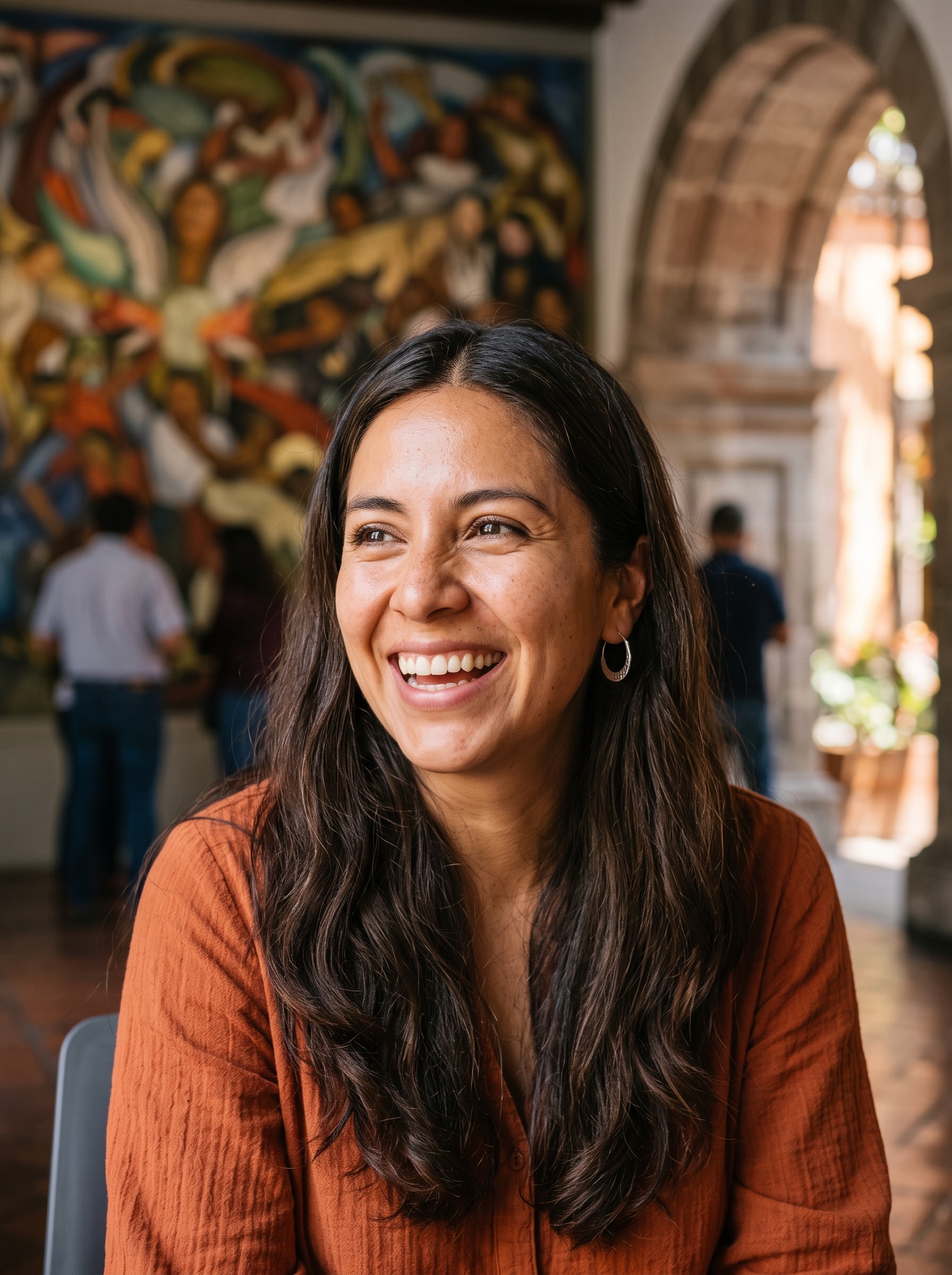

Roma Norte starts to make sense around lunchtime, when the queues outside Contramar begin to bend along Durango and the jacarandas throw patchy shade over the pavement tables. By then the neighbourhood is already in motion: coffee cups clinking, dogs threading between ankles, a delivery bike skidding past a restored façade, and somebody somewhere insisting they are only stopping for one tostada. That is the joke here. Roma Norte is built for lingering.
What Roma Norte is known for
Roma Norte is the neighbourhood that turned eating out into a form of urban walking. It is where Mexico City learned to sell itself, not as a single grand centre of monuments, but as a sequence of excellent meals stitched together by sidewalks. Gabriela Cámara’s Contramar is the obvious emblem of that shift, the place that made tuna tostadas travel far beyond CDMX, but the story is broader than one famous lunch. Elena Reygadas built Rosetta and its bakery into institutions a few streets away, and when the Michelin Guide arrived, Roma Norte did what Roma Norte does best: it collected the accolades without losing its appetite.
The bones are old, which is part of the charm and part of the tension. This was laid out in the early 1900s for the city’s aspiring elite, and you still see the ambition in the wide avenues, the Porfirian mansions and the Art Nouveau flourishes that survive like good manners after a long party. Then the present-day layer arrives on top: chefs, gallerists, remote workers, visitors who came for a long weekend and quietly extended their stay. The result is a neighbourhood that can feel bookish at breakfast and slightly smug by dinner, but never dull. It has the confidence of a place that knows people will walk across it just to eat and drink.

The walking is not a metaphor. Roma Norte is small enough to cross north to south in about half an hour, and the pleasure is in the in-between. Bougainvillea spills over façades. A fountain catches light in Plaza Río de Janeiro. The red-brick Casa de las Brujas sits there with its turreted oddity intact, as if someone had decided whimsy was a structural requirement. Then, a few blocks on, the Fuente de Cibeles roundabout appears, its replica fountain a little piece of Madrid dropped into the city and made local by the café terraces around it. You can spend an entire day here with no destination beyond the next block, and that is not laziness. That is the point.
Where to eat & drink
Start with the names people say first, then see what else the neighbourhood earns. Contramar, at Durango 200, is still the first-timer lunch that justifies the queue. Order the tuna tostadas and the red-and-green pescado a la talla, reserve ahead, and accept that this is a lunch-into-early-evening operation that closes around 8pm. The room has the brisk confidence of a place that knows exactly why you are there. It does not need to flatter you. It just needs to feed you properly.
Rosetta, at Colima 166, is a different kind of institution: Elena Reygadas’s Italian-inflected Mexican fine dining inside a restored 1920s mansion, with the sort of elegance that never quite tips into stiffness. The ricotta ravioli is the move if you want the argument settled in one plate. Next door, Panadería Rosetta at Colima 179 does the opposite of restraint, which is to say guava rolls, conchas and coffee, with early queues that tell you everything before you even reach the counter.

If you want Roma at its most thrillingly literal, go to Expendio de Maíz Sin Nombre on Yucatán 84. There is no menu, no reservations and no room for fuss. You sit at a shared table, pay cash, and the cooks send out surprise tacos and picaditas built on heirloom tortillas nixtamalised in-house. The Michelin star is not a gimmick here; it is simply the guide catching up with something obvious. A few streets away, Mi Compa Chava at Zacatecas 172 is the loud Sinaloa marisquería everyone means when they say “the aguachile place.” Raw-shrimp tostadas, fiery aguachiles, no bookings, huge queues: arrive at opening or on a weekday afternoon unless you enjoy practising patience in public.
For a more settled lunch or a date that needs a tablecloth and a little polish, Máximo Bistrot at Álvaro Obregón 65 Bis does French-Mexican with a famous house Caesar salad. Bartola at Tabasco 189 covers the people-watching end of Italian with tableside chicken parm, which sounds like a dare and somehow works. And for the sweet tooth that insists on staying out late, El Moro inside Mercado Roma keeps churros and thick hot chocolate going until late, which is exactly the kind of democratic pleasure a neighbourhood this expensive still needs.

Roma’s drinking culture is not an add-on; it is one of the neighbourhood’s main arguments. Licorería Limantour on Álvaro Obregón 106 is the place that launched the city’s modern cocktail era in 2011, and it still earns its place on North America’s 50 Best Bars because it understands the value of a clean, well-made drink. Order the Margarita al Pastor and watch the room do what it has been doing for years: arrive, settle, repeat. Baltra Bar, the Limantour team’s smaller classics-driven room at the Condesa edge on Iztaccíhuatl, is where off-duty bartenders go when they want the work to disappear into the glass.
Tlecan, at Álvaro Obregón 228, is the neighbourhood’s darker pulse: a red-lit mezcalería pouring small-batch mezcals and Nahuatl-themed cocktails, and now a World’s 50 Best Bars top-25 name as of 2025. It feels like a room designed for late conversation and the kind of second drink that becomes a third without any formal decision being made. Loup Bar, at Tonalá 23, is the quieter answer, a snug natural-wine bar with a very good steak. And if you want the version of Roma that still likes a secret, book Salón Palomilla, the jewel-toned rooftop reached by walking through the kitchen of Páramo at Yucatán 84. Order the negroni sbagliato and enjoy the mild theatre of being let in on something.
Things to do
The first thing to do in Roma Norte is the thing people often try to skip: walk without a plan. Colima, Córdoba and Álvaro Obregón reward slow browsing, and the neighbourhood’s real character reveals itself in the gaps between the famous stops. A restored doorway here. A dog asleep in a doorway there. A gallery window that looks like a shrine to good taste and expensive paper. This is a place that asks you to lower your pace and then punishes you, gently, for failing to notice the details.
Plaza Río de Janeiro is the photogenic heart of the neighbourhood, with a bronze replica of Michelangelo’s David rising from its fountain and the fairy-tale red-brick Casa de las Brujas at Río de Janeiro 56 looming over one corner like a set piece that refused to be temporary. It is one of those squares that seems to change personality with the light: morning is for dogs and coffee, late afternoon for photographs, evening for people who have decided they deserve a stroll before dinner.

Loop east and you hit the Fuente de Cibeles roundabout, ringed by café terraces and always slightly more animated than you expected. It is one of the neighbourhood’s best reminders that Roma Norte has never been a sealed-off world; it is porous, social, and very good at making a roundabout feel like an appointment. For culture, MODO — Museo del Objeto del Objeto at Colima 145 is the offbeat one worth your time, a museum built around a collector’s hoard of everyday objects and advertising. It is open Wednesday to Sunday, which is just enough structure to keep it from becoming a homework assignment.
Galería OMR on Córdoba 100 has been championing contemporary Mexican and international artists since 1983, and the space itself does some of the persuading: dramatic, light-filled, and free to visit. Even if you don’t think of yourself as a gallery person, Roma has a way of converting you by osmosis. The neighbourhood’s taste level is contagious. On Sunday, the whole area shifts again, and the streets around Álvaro Obregón become a market of sorts: pop-up bazaars, antiques and design stalls, locals taking long café-table mornings seriously, as they should. A perfect Roma day is not ambitious. It is cumulative.
{{ATTRACTIONS}}
Shopping & markets
Roma is the city’s best barrio for independent, design-led shopping, and the spine of it runs along Colima and Córdoba. Casa Bosques at Córdoba 25 is the sort of bookshop that makes you feel underdressed for the shelves: art-and-architecture books, limited-edition publications, stationery and design objects, all arranged with the kind of restraint that suggests the owners have opinions and expect you to have some too. You go in for a postcard and emerge carrying a monograph and a mild sense of financial regret.
Around it, concept stores blur the line between boutique and gallery, with Mexican-made ceramics, textiles, mezcal and small-label fashion. This is not bargain hunting territory, and pretending otherwise would be silly. Roma is a browse-first neighbourhood, buy-carefully, and the curation is the point. If you want the practical side of shopping, Mercado Roma at Querétaro 225 is the upscale multi-level food hall where you can graze downstairs, eat cooked-to-order in the middle and finish with a rooftop beer garden. It is also where the El Moro churro stall lives, which feels like a perfectly Roma compromise between the polished and the popular.

The real weekend event, though, is the street market scene along and around Álvaro Obregón. Antiques, vintage clothing, plants and design pieces spill onto the pavements, and the neighbourhood becomes less a destination than a long, slow browse. This is where you feel the overlap between old Roma and new Roma most sharply: one side still wants a proper residential street, the other has learned to monetise a good façade and a good sidewalk. Both are true. Roma just prefers not to resolve the contradiction.
Where to stay in Roma Norte
Roma Norte is the city’s default first-timer base for good reason: walkable, safe-feeling, and dense with places to eat, drink and browse. The sweet spot is central Roma around Álvaro Obregón and the streets just off it — Colima, Córdoba, Orizaba, Tonalá — because you are steps from the best cafés and bars. The trade-off is obvious and unavoidable: the weekend noise on the party corridors. If you are a light sleeper, ask for a room off the avenue and do not pretend the street is quieter than it is.
Accommodation here skews boutique and small, which suits the neighbourhood’s personality. La Valise at Tonalá 53 is an intimate three-suite design hotel with patios, hammocks and a bed that rolls out under the stars. It books up far ahead, which is what the market does when something is genuinely desirable. Brick Hotel at Orizaba 95 is the larger, full-service option, with a spa, an on-site restaurant and rooftop suites. Between those poles sit the usual run of design-forward small hotels and apart-hotels, all priced at a clear premium over outer barrios. If you want the same walkability with a slightly calmer, greener feel, Condesa is a two-minute walk across the border and works just as well as a base.
{{HOTELS}}
Getting around
Roma Norte is made for walking. It is flat, gridded, tree-shaded and small enough to cross north to south in about half an hour, which means your main transport decision most days is whether your feet are still willing to cooperate. They usually are, at least until the second cocktail.
For the metro, Line 1 runs along the western edge under Avenida Insurgentes, and Insurgentes station reopened in April 2025 after a long modernisation. Metrobús Line 1 runs the same corridor above ground. The eastern edge is served by Metrobús Line 3 along Avenida Cuauhtémoc. Fares are tiny — a few pesos a ride — and if you are headed farther afield, Uber and Didi are cheap and plentiful. The airport run is the standard one: Mexico City International Airport is roughly 8 miles away, about 30 to 45 minutes in traffic.
EcoBici is excellent here, with stations on nearly every other block and protected lanes and median paths on the big avenues. It is often the fastest way over to Condesa or Chapultepec, which is useful because Roma has a habit of making nearby places feel like extensions of itself. One practical note, because the city will not do this for you: Mexico City sits at about 2,240 m, so give yourself a slower first day and drink more water than you think you need. The altitude is a quiet thief.
Roma Norte is one of the city’s safest and most walkable areas, heavily patrolled and camera-covered, but normal big-city care still applies. Keep an eye on your phone and bag on crowded party corridors like Álvaro Obregón at night, and take an Uber or Didi rather than walking long distances alone very late. That is not fear-mongering. It is just good sense in a neighbourhood that asks you to stay out late.
FAQs
Is Roma Norte a good area to stay in Mexico City?
Yes. For most first-time visitors it is the easiest and most rewarding base in the city, with walkable access to top restaurants, bars, galleries and shops, plus strong transit and rideshare links. The main trade-offs are higher prices and weekend noise on the party streets; Condesa is the calmer alternative next door.
Is Roma Norte safe?
It is considered one of the safest neighbourhoods in Mexico City and a strong choice for solo and first-time travellers. The central streets are busy, well lit, heavily camera-covered and patrolled. Use normal big-city caution after dark on busy corridors like Álvaro Obregón and take Uber or Didi late at night.
How many days do you need in Roma Norte?
A full day gives you the feel of it, but two to three days lets you eat at the icons, catch a Sunday market and bar-hop properly. Because Roma blends into Condesa on foot, many travellers base themselves here for their whole trip.
What is Roma Norte best for?
Food, cocktails, design shopping and long café days. It is a neighbourhood built for walking, lingering and making a day out of short distances.