New Orleans guide
Central Business District & Warehouse District, New Orleans: The City’s Polished Downtown With a Good Appetite
New Orleans’ downtown twin acts—office towers and converted warehouses—deliver museum days, serious meals, and an easy walk to the French Quarter.
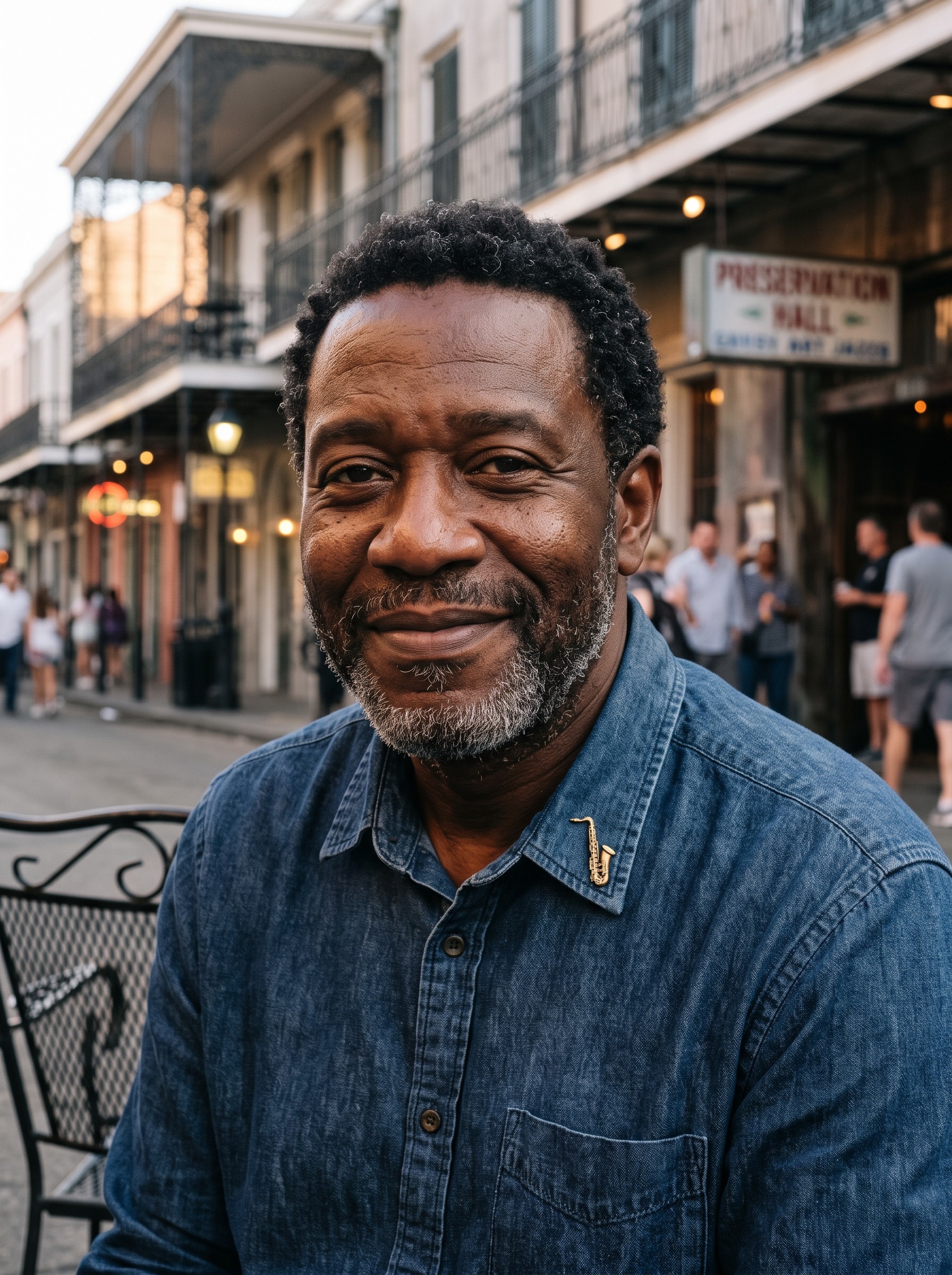

Walk five minutes upriver from the French Quarter’s wrought-iron balconies and the city changes its jacket: the streets straighten, the buildings climb, and the old cast-iron charm gives way to brick warehouses, glass towers and the kind of lobbies that smell faintly of coffee, polish and conference badges. This is downtown New Orleans working two jobs at once. East of Poydras Street, the Central Business District does the weekday grind. On the other side, the Warehouse District—also called the Arts District—has turned its old coffee and cotton stores into galleries, lofts, boutique hotels and restaurants where the ceilings are high enough to swallow a second line if one ever wandered in. It is polished, deliberate and a little more buttoned-up than the Quarter, but that is the trick of it: you can sleep here, eat very well here, and still drift into the old city on foot when you feel like hearing the brass start up.
What the CBD & Warehouse District is known for
Two things define this quarter: art and hotels. The Warehouse District earned its other name, the Arts District, because contemporary galleries moved into restored 19th-century warehouses and stayed put, clustering thickest along Julia Street, where locals still call the stretch Gallery Row. On one block you can step from a white cube full of contemporary work into a brick shell that once stored bananas and coffee for the wharves. On another, you can leave a museum and find yourself looking at a tower with a valet stand and a conference crowd in lanyards, all of it part of the same downtown grid.
The district’s anchor institutions sit close enough together to make a proper day of it. The National WWII Museum on Magazine Street is the headline act, and it is not some polite little stopover with a gift shop and a plaque. It is one of the most acclaimed museums in the United States, the kind of place that asks for half a day and gives you back a sense of scale. Nearby, the Ogden Museum of Southern Art at 925 Camp Street and the Contemporary Arts Center directly across the road at 900 Camp Street give the neighborhood its cultural spine. That trio—war, Southern art, contemporary art—is the reason this part of town feels less like a postcard and more like a working cultural engine.

The CBD half, east of Poydras toward the river, is the towers-and-hotels side of the story. It holds most of the city’s big-brand and design hotels, the Caesars Superdome and the neighboring Smoothie King Center, and the Convention Center stretched along the riverfront. If the Warehouse District is where New Orleans stores its creative nerve, the CBD is where it keeps its keys, its badge scanner and its game tickets. The result is a downtown that reads as arts-and-hotels rather than heritage kitsch. It is also one of the most walkable parts of the city, which in New Orleans is no small thing. You can sleep in a converted warehouse, spend the morning in a museum, eat at a two-Michelin-star restaurant and still make the French Quarter without hailing a thing.
Where to eat & drink
This is one of the best-fed few blocks in the South, and the nice part is that the food here does not all arrive wearing the same tie. The Link Restaurant Group alone gives the neighborhood a full menu of moods. At Cochon, 930 Tchoupitoulas Street, Donald Link leans into wood-fired Cajun cooking with fried alligator, oysters and rabbit-and-dumplings. It is the sort of room that smells like smoke, shellfish and patience. Next door, Cochon Butcher takes the same family name and loosens the collar: muffulettas, house-cured meats, a wine bar and no reservations. That last detail matters. It keeps the place honest. You go because you want the sandwich, not because you want to be seen eating one.

A few blocks over, Pêche Seafood Grill at 800 Magazine Street cooks whole gulf fish over an open hearth and serves smoked-tuna dip with saltines, which sounds simple until the first bite reminds you that simple food in the right hands is not simple at all. Herbsaint, at 701 St. Charles Avenue, is Donald Link’s French-Southern flagship on the streetcar line, the sort of room that lets the neighborhood’s polished side show without getting smug about it. Gianna, at 700 Magazine Street, handles the Italian side of the family. It sits right where Magazine and Girod cross, and it knows the value of being direct.
Then there are the places that feel like destination dinners, the kind of tables people plan a trip around. Compère Lapin, at 535 Tchoupitoulas Street inside the Old No. 77 Hotel, is Nina Compton’s Caribbean-meets-Creole room, and the curried goat with sweet-potato gnocchi and jerk-honey fried chicken are the sort of plates that explain why people book ahead. Emeril’s, at 800 Tchoupitoulas Street, is the two-Michelin-star flagship now led by E.J. Lagasse, with tasting menus for when you want the evening to stretch its legs. If you want the quieter pleasure of oysters and cocktails in a restored 1832 Creole cottage, Seaworthy at 630 Carondelet Street is your move. And for a New Orleans institution that has been feeding people since 1938, Mother’s at 401 Poydras Street still slings the original Ferdi po-boy and plates of red beans and rice. That is not nostalgia. That is lunch with a clock on it.

If the neighborhood has a culinary thesis, it is this: downtown New Orleans can do elevated without losing the grease on its hands. You can spend one night at Emeril’s and another at Mother’s, and both feel like they belong here. That is a rare trick. Some districts chase polish until the local accent goes missing. This one keeps the accent and buys a better glass.
Going out
Nightlife here is cocktail-led rather than club-led, which suits the neighborhood’s grown-up pace. The set piece is the Sazerac Bar inside The Roosevelt at 130 Roosevelt Way, an African-walnut-paneled room with Paul Ninas murals where they serve some 20,000 Ramos Gin Fizzes a year alongside the namesake Sazerac. It is one of those hotel bars that knows exactly what it is and does not need to raise its voice. The room carries history in the woodwork, but it still feels alive, especially when the ice starts talking in the shaker and the first drink of the night lands just right.

For a rooftop, Rosie's on the Roof atop the Higgins Hotel pays tribute to Rosie the Riveter with skyline views over the WWII Museum and a rum-based signature cocktail served in a vintage canteen. That rooftop has the easy confidence of a place that knows the museum is right below and the city is spread out in front of it. The Fulton gin bar at the Omni Riverfront bills itself as the city’s most gin-focused room, which is a very hotel-bar way to say it has chosen a lane and stayed in it. Good for them. The neighborhood needs a few places where the drink list is the point and the room does not pretend to be a jazz club, a speakeasy and a supper club all at once.
Gallery openings also do their part, especially the First Saturday Art Walk on Julia Street, when openings start around 6pm and the district turns social for one night a month. That is when the Warehouse District remembers it has sidewalks, and the people pouring drinks in galleries look up from the ice bucket to see who has wandered in from dinner. For a proper late night of brass and dancing, you drift east. The French Quarter is a 10-15 minute walk, and Frenchmen Street is a short ride away. That is the beauty of this base: when you want noise, it is there. When you do not, the neighborhood does not punish you for staying in.
Things to do / what to see
Start with the National WWII Museum at 945 Magazine Street and give it the time it deserves. Multiple pavilions, restored aircraft and tanks, immersive Home-Front recreations and the 4-D film Beyond All Boundaries make it a place you do not dash through between lunch and a meeting. Buy tickets ahead. That part is not optional if you like a smooth day. The museum is the neighborhood’s big, steel-and-glass anchor, and it tells you a lot about downtown New Orleans that one of its most serious institutions sits among hotels and restaurants rather than off in some ceremonial district.

One block away, pair the Ogden Museum of Southern Art at 925 Camp Street with the Contemporary Arts Center across the street at 900 Camp Street for a full art morning. The Ogden is open daily from 10am to 5pm, which is a civilised range for a museum day, and the Contemporary Arts Center is open Wednesday through Sunday. Between them, you get the Southern canon and the contemporary argument, which is a good way to spend a morning when the city is hot and the coffee is still doing its first job.
Then wander Julia Street’s Gallery Row, where restored warehouses hold serious contemporary dealers. Arthur Roger Gallery at 432 Julia Street is the flagship name to know, free to browse and sturdy in the way a good gallery should be. Ferrara Showman Gallery at 400A Julia Street and Octavia Art Gallery at 700 Magazine Street widen the circuit. The First Saturday Art Walk is the best time to catch the district in motion, but even on a quiet weekday the block has a hum to it, the low sound of a neighborhood that has traded freight for frames and done well by the exchange.
Sports fans have their own landmarks. The Caesars Superdome, freshly renovated and home to the NFL’s New Orleans Saints, rises like the city’s great indoor thundercloud. Next door, the Smoothie King Center houses the NBA’s New Orleans Pelicans. On game nights the CBD wears a different face: jerseys, ticket stubs, a little more noise, a little less gallery talk. And because the river is right there, it is an easy stroll to the Riverwalk and the ferry landing, a reminder that downtown here still knows which direction the water runs.
{{ATTRACTIONS}}
Shopping & markets
Shopping here is more browsing than buying, and that suits the district just fine. Julia Street and Camp Street are the place to start if you want to carry home something with a little soul in it: originals, prints and the occasional piece that makes you rearrange the wall above your sofa before you have even left town. The galleries double as retail, but nobody is pretending this is a mall with better lighting. It is art first, purchase second.
The Contemporary Arts Center and the Ogden Museum both run well-stocked gift shops, and the WWII Museum store is a destination in its own right for books and memorabilia. If your taste runs more toward the practical than the framed, The Outlet Collection at Riverwalk on the Convention Center side gathers brand-name outlets right on the Mississippi. Canal Street at the CBD’s northern boundary marks the start of the main downtown retail strip, which is useful when you need socks, a charger or something to wear because the weather has made a decision for you. The First Saturday Art Walk is the one evening a month when the district’s creative side spills onto the sidewalks and the browsing becomes part of the street life.
Where to stay in the CBD & Warehouse District
This is arguably the best all-round base in New Orleans, and the hotel list explains why. The district holds the city’s largest concentration of upscale and design hotels, which means you can choose your flavor of downtown without giving up the ability to walk to dinner or the Quarter. At the top end, Four Seasons New Orleans sits on the river between the Quarter and the Warehouse District with a rooftop infinity pool. Windsor Court is the grande-dame choice, all antiques and old-master paintings. The Roosevelt brings historic glamour and the Sazerac Bar, which is reason enough for some guests to book the room and then not stray far.
Design-led boutiques give the neighborhood its edge. The Barnett, formerly the Ace Hotel at 600 Carondelet Street, has a rooftop pool and Seaworthy downstairs, which is an excellent combination if you like your hotel to behave like a small city. The Higgins Hotel puts you next to the WWII Museum with Rosie's rooftop bar, and NOPSI occupies a grand former utility building with a gin bar and rooftop pool. Broadly speaking, the Warehouse District pockets around Julia, Camp and Magazine streets feel quieter and more residential-loft, while the CBD toward Canal and Poydras puts you closest to the Quarter and the Superdome. That is the real choice here: art and calm, or towers and transit. Either way, you are not far from a good meal.
{{HOTELS}}
Getting around
The district is flat, gridded and eminently walkable. From the Warehouse District’s center it is a 10-15 minute stroll into the French Quarter across Canal Street, and that matters more than any map pin. Streetcars make the rest easy. The historic St. Charles line runs along the CBD’s edge toward the Garden District and Uptown, and Herbsaint sits right on it, which is convenient if your dinner plans and your transport plans are in conversation. The Riverfront line hugs the Mississippi, while the Rampart-Loyola line connects the Union Passenger Terminal—the Amtrak and Greyhound hub—through the CBD to the Quarter.
Fares are $1.25 a ride, exact change on board, or you can buy a Jazzy Pass at $3 for one day or $8 for three. For Louis Armstrong International Airport, it is roughly a 20-30 minute drive; taxis run a flat fare into the CBD and rideshare is plentiful. Once you are downtown, you will rarely need a car. That is part of the neighborhood’s appeal. It lets you move through New Orleans at street level, where the city is at its best and most legible: one block of brick warehouses, one block of glass, one good po-boy, one museum, one cocktail, and then maybe a walk home while the evening settles over the river.
FAQs
Is the CBD & Warehouse District a good area to stay in New Orleans?
Yes. For many travellers it is the best all-round base: lots of upscale and design hotels, major museums, strong restaurants and a flat 10-15 minute walk to the French Quarter without Bourbon Street’s late-night noise.
How far is the Warehouse District from the French Quarter?
It is right next door. From the heart of the Warehouse District it is a flat 10-15 minute walk across Canal Street into the French Quarter, or a very short streetcar or rideshare hop.
What is the difference between the CBD and the Warehouse District?
They are two halves of the same downtown grid. The CBD, east of Poydras Street, is the towers-and-hotels side; the Warehouse District around Julia, Camp and Magazine streets is the converted-warehouse side with galleries, museums and loft-style hotels.
Is this neighbourhood good for nightlife?
Yes, if you like cocktails, hotel bars and gallery openings more than clubbing. For late brass and dancing, you’ll usually drift to the French Quarter or Frenchmen Street.