A locally-written guide — where to stay, what to eat, and what not to miss.
The Beijing guide
An insider’s read on Beijing
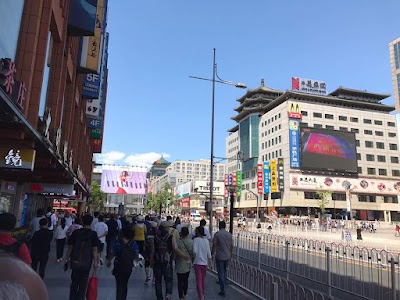
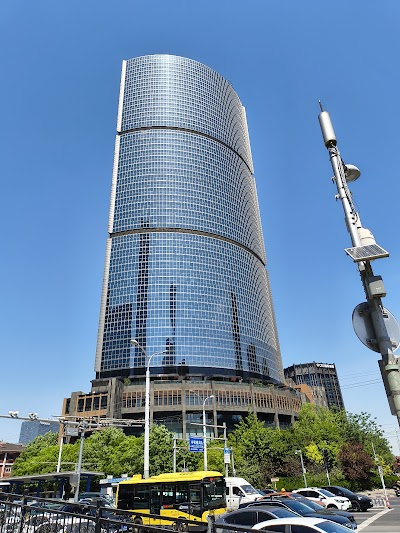
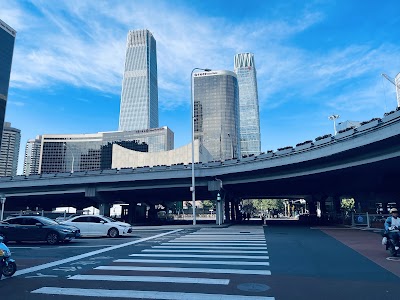
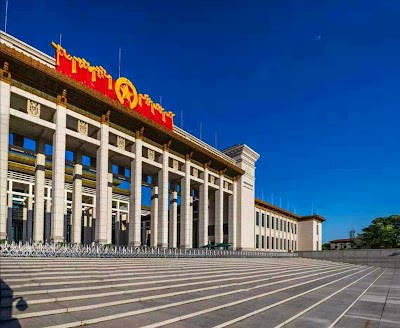
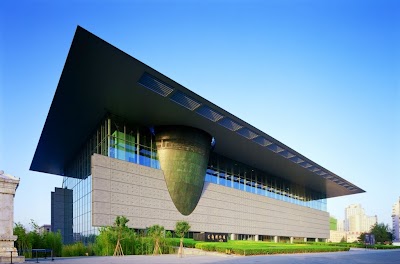
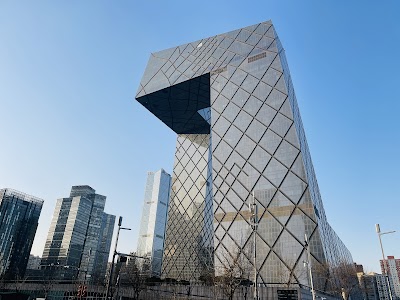
Monumental gray-brick compounds, massive Soviet-style avenues, and towering glass skyscrapers define a landscape built to project power.
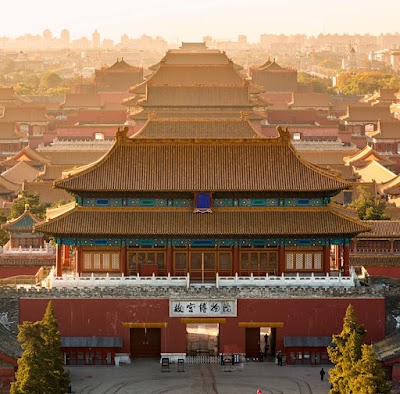
Beijing is a city of immense, uncompromising scale. Monumental gray-brick compounds, massive Soviet-style avenues, and towering glass skyscrapers define a landscape built to project power. It is a metropolis where the weight of political authority is palpable, yet beneath this rigid surface lies a resilient, fast-paced urban energy driven by tech-industry wealth, contemporary art, and a deeply rooted local pride.
Guides & ideas
The Beijing reading list
Hand-written guides from our editors — itineraries, the best of after dark, where to eat, and what’s genuinely worth your time.
For Creative travelers and independent explorers who want to experience historic alleyway life, though the narrow streets can get crowded with scooters and tourists on weekends.
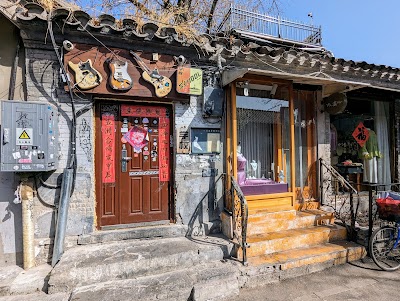
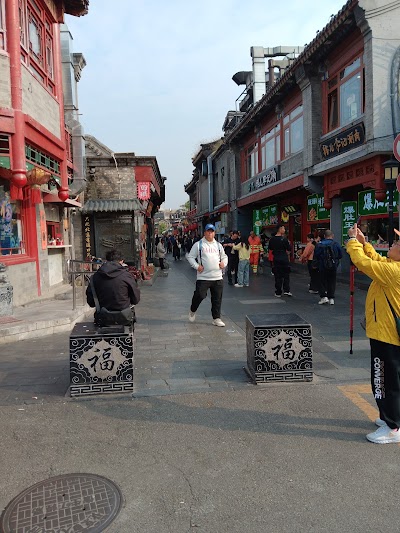
A historic residential area defined by gray-brick alleyways, low-slung courtyard houses, independent coffee shops, and small boutiques.
Where to stayLook for boutique courtyard hotels hidden down quiet side alleys to experience traditional architecture with modern comforts.
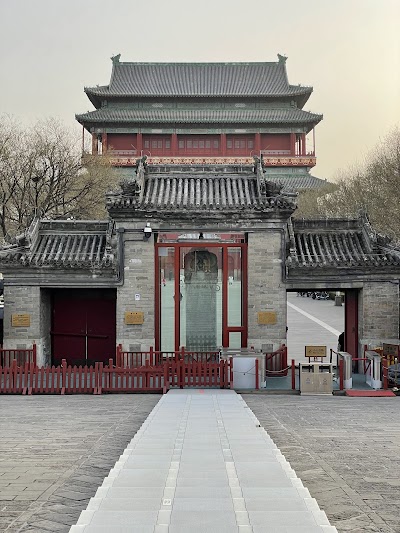
The historic Drum and Bell Towers rising above the low-rise rooftops.
Beiluoguxiang alley, which offers a quieter, more authentic alternative to the highly commercialized Nanluoguxiang.
For Budget travelers and younger visitors looking for affordable dining and a casual nightlife scene, though it is far from the central historic sights.
A youthful, energetic university district packed with cheap eateries, student bars, and tech startups.
Where to staySimple, functional business hotels and student-oriented guesthouses.
The lively street food stalls and Korean restaurants catering to the large international student population.
The sprawling campuses of Tsinghua and Peking Universities nearby.
For Travelers seeking a blend of cultural depth and relaxed lifestyle, though the main temple street gets heavily congested with traffic and incense smoke.
An atmospheric neighborhood where spiritual devotion meets hipster culture, centered around a major Tibetan Buddhist temple.
Where to stayCharming mid-range boutique hotels located in the surrounding quiet residential alleys.
The magnificent Yonghe Temple, featuring a towering eighteen-meter-high Buddha carved from a single piece of sandalwood.
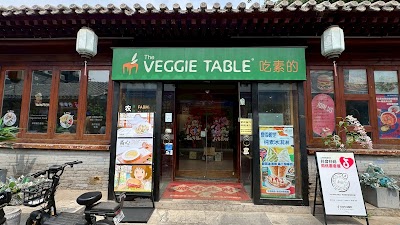
Wudaoying Hutong, a relaxed alleyway lined with independent craft shops, vegetarian cafes, and quiet bars.
Eat & drink
Where to eat in Beijing
Real tables, by category — from seafood and grills to the budget classics locals actually queue for.
Tapas/local
Northern Chinese cuisine is hearty, wheat-based, and deeply savory, dominated by garlic, vinegar, and rich soy-based sauces. The undisputed centerpiece is Peking roast duck, meticulously prepared and carved tableside.
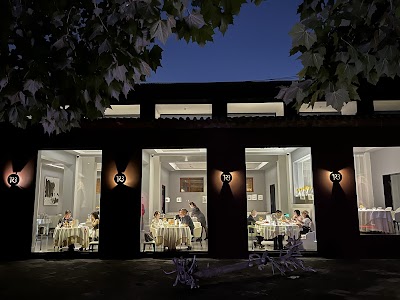
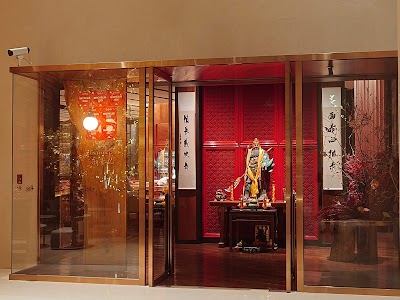
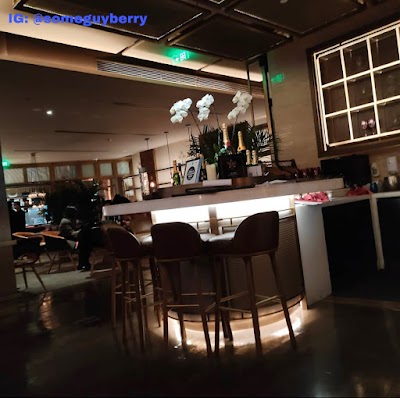
Beijing's high-end dining scene blends imperial culinary traditions with global contemporary techniques, often set within historic courtyard estates or sleek skyscraper dining rooms.
While landlocked, Beijing imports premium seafood from northern coastal provinces, preparing it in both delicate Cantonese styles and fiery, spice-laden local preparations.
From high-end Western steakhouses serving imported Wagyu to rustic northern Chinese wood-fired grills, meat is central to the city's culinary identity.
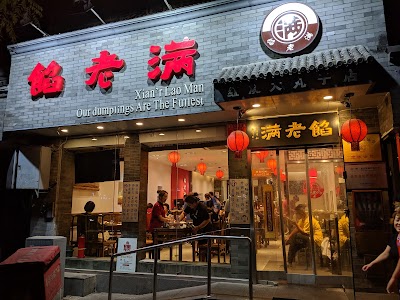
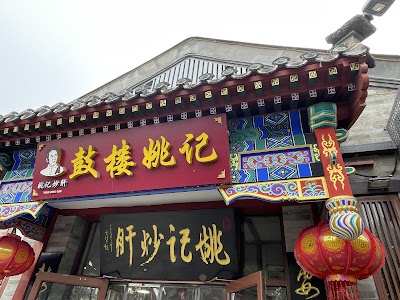
Beijing's budget dining is defined by quick, filling staples like steamed buns, savory wheat noodles, and hearty dumplings served in simple, no-nonsense eateries.
Where the night goes — clubs, rooftop cocktails and the rooms with the best live music.
Nightclubs
Beijing's club scene ranges from massive, high-production EDM venues favored by wealthy locals to dark, underground concrete basements spinning techno and house.
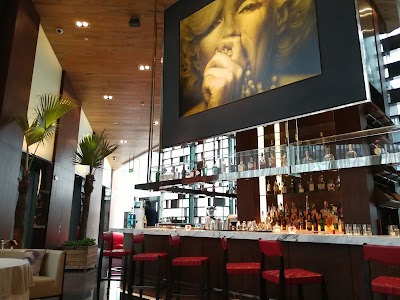
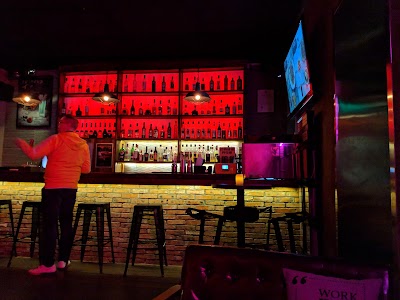
The city's cocktail culture is highly sophisticated, with intimate speakeasies hidden down historic alleyways and sleek rooftop lounges offering sweeping urban views.
Beijing is the historic birthplace of Chinese rock and punk, maintaining a gritty, passionate live music scene in intimate dive bars and dedicated music halls.
Navigating the narrow, historic alleyways by bicycle is the best way to witness daily local life, from elderly residents playing xiangqi to hidden courtyard cafes.
via Google
Great Wall Sunset Hike
Huairou DistrictFull day★★★★★★★★★★4.0(20)
Hiking along the rugged, unrestored watchtowers of the Jinshanling or Mutianyu sections of the Great Wall as the sun sets offers dramatic views free from crowds.
via Google
Morning Tai Chi at Temple of Heaven
Dongcheng2 hours★★★★★★★★★★4.6(3,821)
Joining local retirees as they practice martial arts, traditional dance, and water calligraphy in the ancient cypress groves surrounding the temple.
via Google
Beyond the city
Day trips
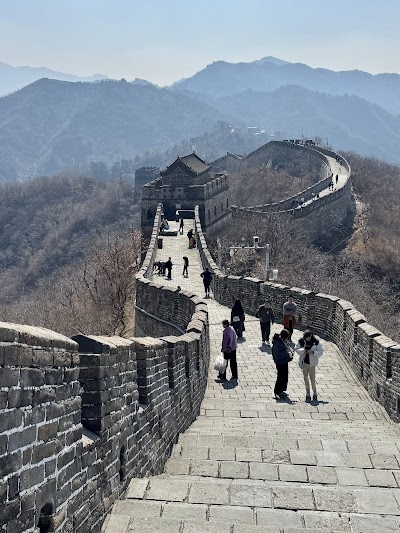
Mutianyu Great Wall
★★★★★★★★★★4.8(1,431)
A beautifully restored section of the wall surrounded by dense pine forests, featuring a cable car up and an exhilarating toboggan ride down.
Getting thereLocated seventy kilometers northeast of the city; best reached via a direct tourist bus from Dongzhimen or by hiring a private driver.
via Google
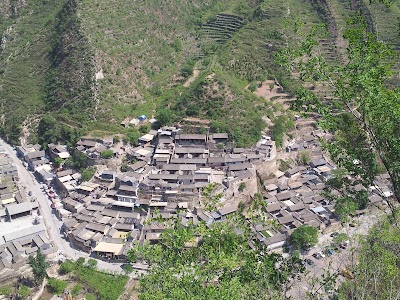
Cuandixia Ancient Village
★★★★★★★★★★4.4(27)
A perfectly preserved Ming and Qing-dynasty stone village tucked into a mountain valley, offering a glimpse of rural northern life frozen in time.
Getting thereLocated ninety kilometers west of the city; requires a combination of subway Line 1 to Pingguoyuan, followed by a local bus or private taxi.
via Google
Book ahead
Things to do in Beijing
Top-rated tours, tickets and experiences — book in seconds, skip the line.
These are affiliate links. We may earn a commission when you book — at no extra cost to you. Tours are sold and operated by our partner, who is the merchant of record.
What it costs
Budgeting
Beijing offers a wide range of pricing, from highly affordable public transit and street food to international luxury hotels and fine dining that match global capital rates.
Travel style
Per day
Backpacker
€30-50
Mid-range
€80-150
Luxury
€300+
Timing
When to visit
Autumn is the most comfortable time to experience the city, offering clear skies and mild temperatures. Spring brings pleasant weather but is occasionally disrupted by dust storms, while summers are intensely hot and winters are bitterly cold and dry.
AutumnSeptember to October brings crisp air and comfortable temperatures, locally celebrated as the season of clear skies and cool breezes, making it ideal for outdoor exploration.
SpringApril to May features blooming trees and warming temperatures, though northern winds can occasionally bring yellow dust storms from the Gobi Desert.
SummerJune to August is hot, humid, and prone to heavy downpours, with temperatures frequently climbing past thirty-five degrees Celsius.
WinterNovember to March is freezing and dry, with biting winds from Siberia, though it offers crowd-free monuments and the chance to see the imperial palaces dusted in snow.
From Beijing Capital International Airport (PEK), the Airport Express train connects to the subway network at Sanyuanqiao and Dongzhimen stations in under thirty minutes. From Beijing Daxing International Airport (PKX), a high-speed express train reaches Caoqiao station in southern Beijing in nineteen minutes.
Public transit
The subway system is vast, efficient, and highly affordable, with English signage and fare rates calculated by distance. Buses are extensive but subject to the city's notorious traffic jams.
Passes & tickets
The Yikatong card is a rechargeable smart card used for subways and buses, requiring a small refundable deposit and easily topped up at station kiosks or via mobile payment apps.
On foot
The city's superblocks and massive intersections make walking long distances exhausting. However, the historic alleyway districts, known as hutongs, are highly walkable and best explored on foot or by bicycle.
1
Download a local mapping application, as Western map services are often outdated or inaccurate in China.
2
Use the Didi ride-hailing service integrated within major payment apps for reliable, English-friendly taxi bookings.
3
Keep your passport with you at all times, as security checkpoints are common at subway entrances and major public squares.
Travel smart
Safety & etiquette
Beijing is exceptionally safe regarding violent crime, with a heavy police presence and security cameras throughout the city. The primary concerns for travelers are road traffic safety and common tourist scams, particularly the 'tea ceremony' or 'art student' scams where friendly locals invite tourists to a cafe and leave them with an exorbitant bill.
Local etiquette
Always carry your passport, as it is required for entry to major tourist sites, subway stations, and public squares.
Tipping is not customary in restaurants, taxis, or hotels, and may occasionally be refused.
When presenting or receiving business cards, money, or gifts, always use both hands as a sign of respect.
From the ground
Practical tips
1
Set up Alipay and WeChat Pay on your phone before arriving, linking your international credit card to ensure seamless payments.
2
Avoid traveling during Chinese National Day (Golden Week) in early October and Chinese New Year, when major attractions are overwhelmingly crowded and transport is booked out.
3
Download the MetroMan app for an easy, offline-friendly interactive map of the Beijing subway system.
4
Always use the official Didi ride-hailing service inside Alipay rather than hailing unmarked taxis on the street to avoid overcharging.
5
Carry a small pack of tissues and hand sanitizer, as many public restrooms do not provide toilet paper or soap.
6
Buy a high-quality air filtration mask if you are sensitive to air pollution, as PM2.5 levels can occasionally spike during winter months.
Book direct
Book a hotel in Beijing
Loading live availability and real-time prices…
Good to know
Beijing FAQs
Do I need a VPN to access the internet in Beijing?
Yes, a reliable Virtual Private Network (VPN) is essential. It must be downloaded and installed on your devices before arriving in China to access blocked services like Google, maps, and Western social media.
Is English widely spoken in Beijing?
English is spoken in major international hotels and high-end restaurants, but is rare among taxi drivers, subway staff, and local eateries. Downloading a translation app that works offline is highly recommended.
How do I pay for things in Beijing?
Mobile payment platforms like Alipay and WeChat Pay are used for almost all transactions. It is highly recommended to link an international credit card to these apps before arrival, as many vendors do not carry change for cash.
How do I book tickets for the Forbidden City?
Tickets must be booked online in advance through the official Palace Museum website or mini-programs, using your passport number. Tickets are limited and often sell out days in advance, especially during national holidays.